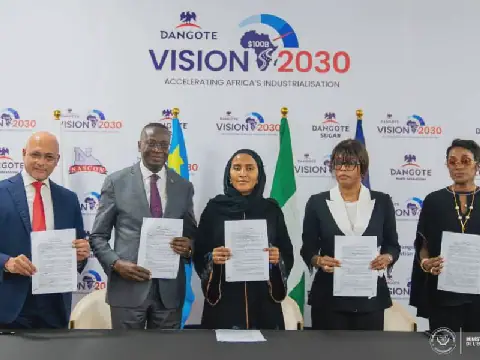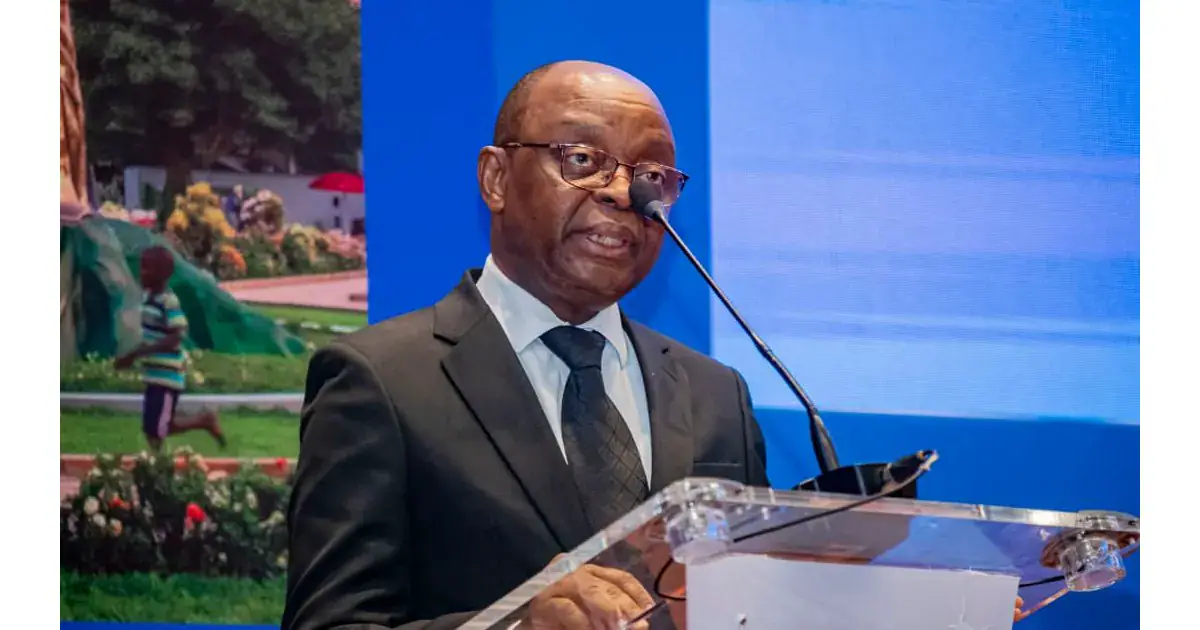
The Palace of Congress in Cotonou, Benin, hosted an official ceremony on November 26, 2026, to integrate new African cities into the UNESCO Global Network of Learning Cities. The event was launched by Janvier Yahouedehou, Minister of Decentralization and Local Governance. The ceremony brought together mayors and representatives from 68 African cities. Minister Yahouedehou emphasized the role of lifelong learning in sustainable development.
The UNESCO Global Network of Learning Cities now comprises 425 cities across 91 countries, representing nearly half a billion people. These cities share a common goal of making education, training, and lifelong learning essential for development. According to Minister Yahouedehou, a city's wealth is not solely measured by its infrastructure or natural resources. He stated that the first wealth of a territory is the intelligence of its inhabitants.
Minister Yahouedehou stressed the need to associate territorial development with the reinforcement of population skills. A learning city, he explained, is not limited to having educational institutions. It must mobilize all its resources and actors to enable every citizen to access learning and training, regardless of age or socio-professional status. This approach aims to promote employment, health, social inclusion, citizenship, and community cohesion.
The minister cited the example of Porto-Novo's entrepreneurial pathway project for women, which combines literacy, vocational training, and microfinance to support women entrepreneurs in the craft and food processing sectors. He also discussed Benin's decentralization reforms, including the creation of six territorial development poles aimed at valorizing the economic potential of different regions.
Minister Yahouedehou linked the development poles to the concept of a learning city, highlighting that the poles aim to valorize local economic potential, while a learning city enables populations to exploit these opportunities. The ministry and the permanent secretariat of the pole steering committee plan to work towards having at least one learning city in each of the six development poles.
The minister expressed his wish for Porto-Novo's experience to inspire other municipalities and for lifelong learning to be progressively integrated into the national territorial development policy. He encouraged the mayors and representatives present to see their integration into the network as a commitment to universal access to learning and knowledge sharing.
Minister Yahouedehou called on the cities to rely on the intelligence, creativity, and dynamism of their populations to address common challenges such as demographic growth, rapid urbanization, and increasing needs for employment, training, and public services. He envisioned the UNESCO Global Network of Learning Cities as a space for cooperation, exchange, and collective work.
Key points
- The UNESCO Global Network of Learning Cities now has 425 member cities across 91 countries.
- Benin's Minister of Decentralization and Local Governance, Janvier Yahouedehou, launched the integration ceremony.
- The network aims to promote lifelong learning as a key to sustainable development.
Reporting sources
- De nouvelles villes africaines intègrent le Réseau mondial de l'UNESCO · 24 Heures au Bénin