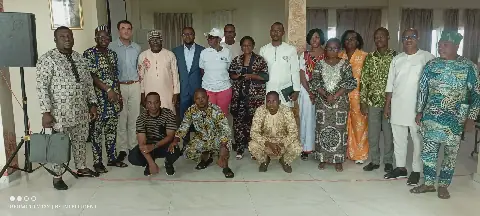
A recent discussion in Benin focused on the challenges faced by women with disabilities in achieving economic autonomy. The event, titled "Femmes handicapées au Bénin : entre discrimination et inégalités de genre, quelles conditions pour une véritable autonomie économique ?", featured experts such as Judicaël Sènat ATTAKIN, Carine KPANOU, and Béatrice HOWANOU. The discussion was presented by Adonis OGOULOLA and explored the intersection of disability and gender inequality.
The discussion highlighted the various forms of discrimination faced by women with disabilities in Benin. According to the experts, these women often face significant barriers in accessing education, employment, and healthcare. The event aimed to raise awareness about these issues and explore potential solutions to promote economic autonomy for women with disabilities.
The discussion also touched on the importance of inclusive education and employment opportunities for women with disabilities. The experts emphasized the need for policies and programs that address the specific needs of this group. They also highlighted the role that media and civil society can play in promoting awareness and advocacy.
The event was part of a broader effort to promote human rights and social inclusion in Benin. The country has made significant progress in recent years in promoting the rights of people with disabilities. However, much work remains to be done to address the complex and interconnected challenges faced by women with disabilities.
The discussion also highlighted the need for greater collaboration and coordination among stakeholders. This includes government agencies, civil society organizations, and international partners. By working together, it is possible to develop effective solutions that promote economic autonomy and social inclusion for women with disabilities.
The experts also emphasized the importance of addressing the social and cultural norms that perpetuate discrimination against women with disabilities. This includes challenging stereotypes and promoting positive attitudes towards disability and inclusion. By changing attitudes and behaviors, it is possible to create a more inclusive and equitable society.
The event concluded with a call to action for stakeholders to prioritize the needs of women with disabilities. This includes developing and implementing policies and programs that promote economic autonomy and social inclusion. By taking concrete steps to address these issues, Benin can make progress towards creating a more just and equitable society for all.
Key points
- The discussion highlighted the need for inclusive education and employment opportunities for women with disabilities.
- The experts emphasized the role that media and civil society can play in promoting awareness and advocacy.
- The event concluded with a call to action for stakeholders to prioritize the needs of women with disabilities.
Reporting sources
- HANDICAP AUTREMENT DU DIMANCHE 08 NOVEMBRE 2026 · Crystal news