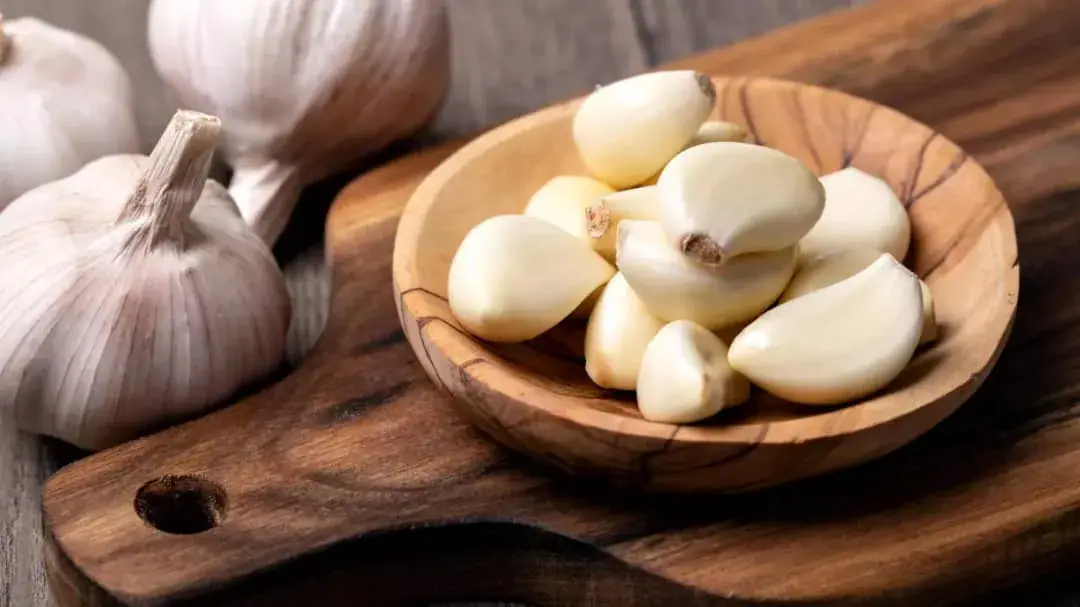
Garlic is a fundamental ingredient in many African cuisines, including Benin's. Beyond its culinary uses, garlic is valued for its medicinal properties, which have been recognized for centuries. According to Danielle Pliya, an afro-naturopath and nutritionist, garlic contains compounds like allicin, which has antibiotic properties that can help combat pathogens and bacteria. This has led to its widespread use in traditional remedies.
In Benin's culinary traditions, garlic is often used raw, crushed, dried, or incorporated into various dishes. Its popularity extends beyond its flavor, as it is believed to have numerous health benefits. Pliya notes that garlic can help regulate blood pressure, benefiting both individuals with hypertension and hypotension. Additionally, she recommends garlic decoctions for people experiencing eye strain, citing its potential benefits for ocular health.
The scientific community has also taken an interest in garlic's properties, particularly its antioxidant and cardiovascular benefits. Researchers are exploring its interactions with the immune system and digestive health. However, medical professionals like Professor Eugène Zoumenou caution that while garlic may contribute to a slight decrease in blood pressure, it should not replace medical treatment. Zoumenou cites the case of a patient who suffered a stroke after abandoning medication in favor of garlic.
In Benin's popular culture, garlic plays a significant role beyond its culinary uses. Some individuals, like Assane Soumaila, consume garlic for its perceived health benefits, including its supposed ability to weaken snake venom. His father, a former farmer, would eat raw garlic, believing it protected him from snake bites. This practice has been passed down through generations.
Garlic's uses extend beyond consumption. Maman Folakè, for example, uses garlic in purification baths or preparations to alleviate scalp itchiness and promote hair growth. Vendors like Maman Fènou report that many customers combine garlic with other ingredients, such as laurier leaves, to create remedies. However, raw garlic consumption is not widely popular, with some individuals finding it difficult to eat.
While garlic has potential health benefits, its excessive consumption can lead to negative effects, such as heartburn, bloating, and nausea. Concentrated garlic applications on the skin or scalp can cause irritation or burns. Individuals taking anticoagulant medication should exercise caution, as garlic preparations may increase the risk of bleeding. Medical consultation is recommended before using garlic supplements, especially for those undergoing medical treatment.
In conclusion, garlic occupies a unique position in Benin's culinary traditions and traditional remedies. Its properties make it a valuable addition to a balanced diet, but its benefits should not be exaggerated. As with any food or remedy, discernment and moderation are essential to harnessing garlic's potential while minimizing its risks. By understanding garlic's multifaceted role, individuals can appreciate its value in both culinary and traditional contexts.
Key points
- Garlic's potential health benefits include regulating blood pressure and combating pathogens.
- Excessive garlic consumption can lead to negative effects, such as heartburn and bloating.
- Garlic should not replace medical treatment, particularly for individuals with hypertension or other health conditions.