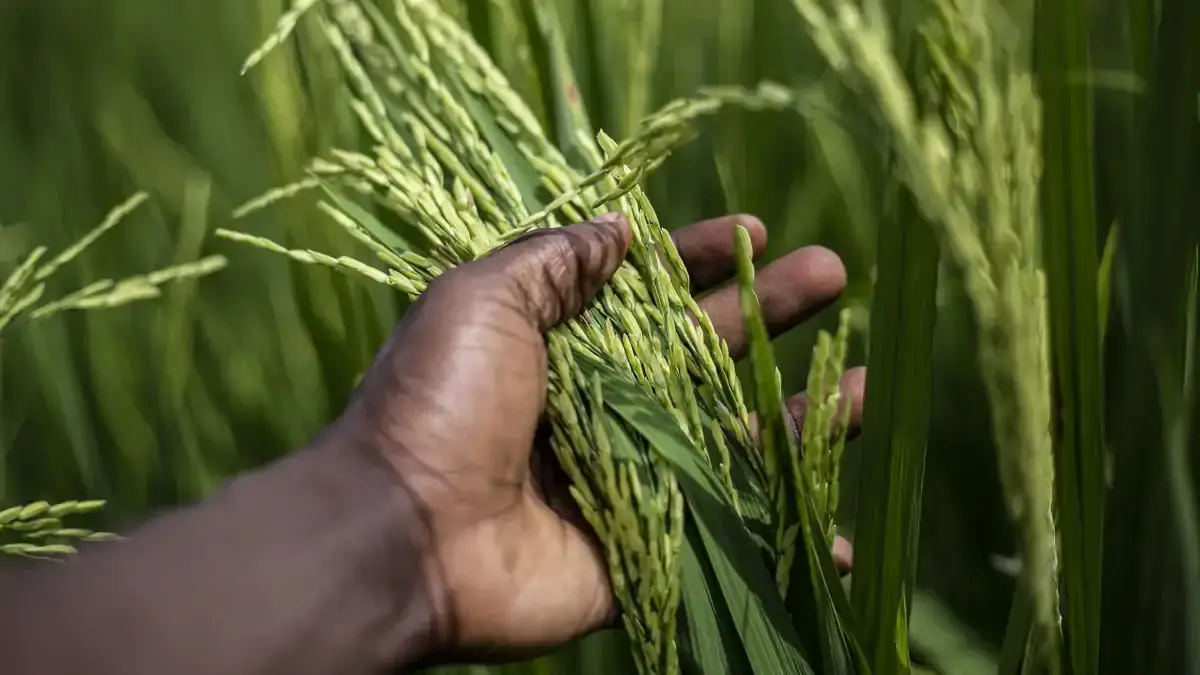
Farmers in the Dassari district of Benin's Matéri commune are struggling to protect their crops from attacks by granivorous birds, specifically of the Quélea genus. The birds have been spotted in controlled occupation zones of the Pendjari park, particularly in Pouri and Dassari-centre. Rice, sorghum, and millet crops are especially vulnerable to these attacks. The situation has prompted the Ministry of Agriculture, Livestock, and Fisheries to issue an alert.
The ministry has warned that the attacks could spread to other areas, compromising harvests and affecting local food security. To mitigate the damage, authorities recommend that farmers work together to monitor their fields during the day, using rotations to ensure constant surveillance. This will enable them to quickly identify bird flocks and take action to scare them away. The ministry also suggests using collective methods to deter the birds.
Farmers can use various techniques to scare away the birds, including making loud noises with their voices, hands, whistles, or sound-producing containers, and using mobile ribbons. These actions should be carried out simultaneously in neighboring plots to prevent the birds from simply moving to another field. The ministry emphasizes the importance of coordination among farmers to effectively protect their crops.
In addition to these measures, the ministry advises farmers to observe the birds' movements in the late afternoon from secure and accessible locations. They should report the sites where the birds congregate to agricultural agents or local authorities. Any intervention at these sites must be carried out under the supervision of competent services.
Farmers with mature crops are urged to harvest quickly, with the assistance of agricultural agents, and store their products safely. The ministry also requests that any new attacks be reported promptly, providing details on the location, affected fields, damaged crops, and extent of the damage. This information will help authorities assess the situation and provide support.
The ministry strictly prohibits the use of poison, poisoned baits, and bush fires to control the bird population, as well as the cutting down of trees that serve as bird habitats. These methods are not only ineffective but also pose environmental and health risks. By working together and using recommended methods, farmers can minimize losses and protect their livelihoods.
The attacks by granivorous birds highlight the challenges faced by farmers in Benin and the need for coordinated efforts to address these issues. The Ministry of Agriculture, Livestock, and Fisheries will continue to monitor the situation and provide support to affected farmers. By taking proactive measures, farmers and authorities can mitigate the impact of these attacks and ensure a more secure food supply.
Key points
- The Benin Ministry of Agriculture has issued an alert due to attacks by granivorous birds on crops in the Dassari district, recommending measures such as coordinated surveillance and collective bird-scaring methods.
Reporting sources
- Bénin : Riz, sorgho et mil exposés aux attaques d’oiseaux granivores · La Nouvelle Tribune