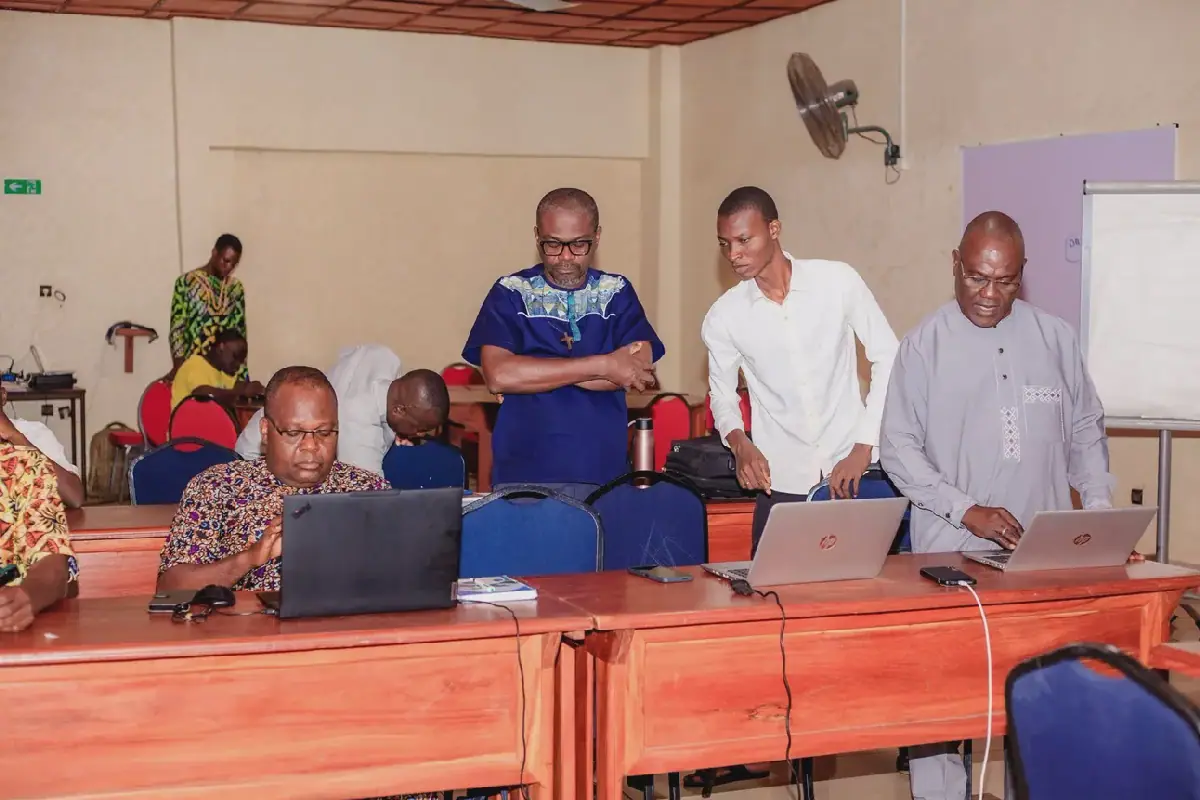
The Benin government has initiated consultations with local actors to develop a national employment policy that addresses the unique needs of different regions. The discussions, which took place in Bohicon, brought together stakeholders from the Zou and Collines departments to share concerns and propose solutions. The goal is to create a policy that is tailored to the local realities and effectively promotes employment and professional insertion, particularly for young people.
The consultations, organized by the Ministry of Small and Medium Enterprises and Employment Promotion, with support from the German Cooperation (Giz), aim to gather concrete proposals for the next National Employment Policy (Pne). Participants were encouraged to express their opinions and consider the needs of populations often absent from decision-making processes. The representative of the Employment Promotion Director, Hospice Jimaja, emphasized the participatory nature of the approach, urging stakeholders to engage in frank discussions to identify priorities.
A key concern raised during the discussions is the mismatch between training programs and labor market needs. Stakeholders, including Noël Agbohessou, president of the Valeur Universelle NGO, stressed the importance of strengthening technical and vocational training to address youth unemployment and underemployment. They recommend that young people acquire practical skills that can be directly applied in the workplace, rather than just holding diplomas.
The need for greater state support for enterprises to finance training and internships for young people was also emphasized. Emilienne Lassou, general director of Pivena, called for increased accompaniment from the state to help businesses provide training and internship opportunities. Hilary Gbetoenonmon, first deputy mayor of young people in Bohicon, highlighted the importance of ensuring equitable access to employment, particularly for young people in rural areas, people with disabilities, and young women.
Participants also underscored the potential of local economic resources to create employment opportunities. Rodrigue Mitchowadou, representing the Zou prefect, noted that the departments of Zou and Collines have significant agricultural, artisanal, commercial, and cultural assets that are not yet generating sufficient stable employment and income. The mayor of Bohicon, Ferdinand Bokossa, drew attention to the challenges faced by people already in employment, including the need for qualifying training, accessible financing, and remunerative commercial outlets.
The consultations aim to gather proposals from local actors to build a national employment policy that is more grounded in the country’s economic and social realities. The contributions from Zou and Collines will enrich the national reflection on mechanisms for job creation, youth insertion, and the development of income-generating activities. Marius Aïna, facilitator of the discussions, recalled the main challenges to be addressed by the next policy, including the influx of young people into the job market and their professional insertion.
The next step is for the authorities to consider the proposals gathered during these consultations and integrate them into the development of the new National Employment Policy. The objective is to create a policy that effectively responds to local realities and promotes sustainable employment and professional insertion for all Beninese citizens.
Key points
- The consultations aim to gather concrete proposals for the next National Employment Policy (Pne) that addresses local realities and promotes job creation.