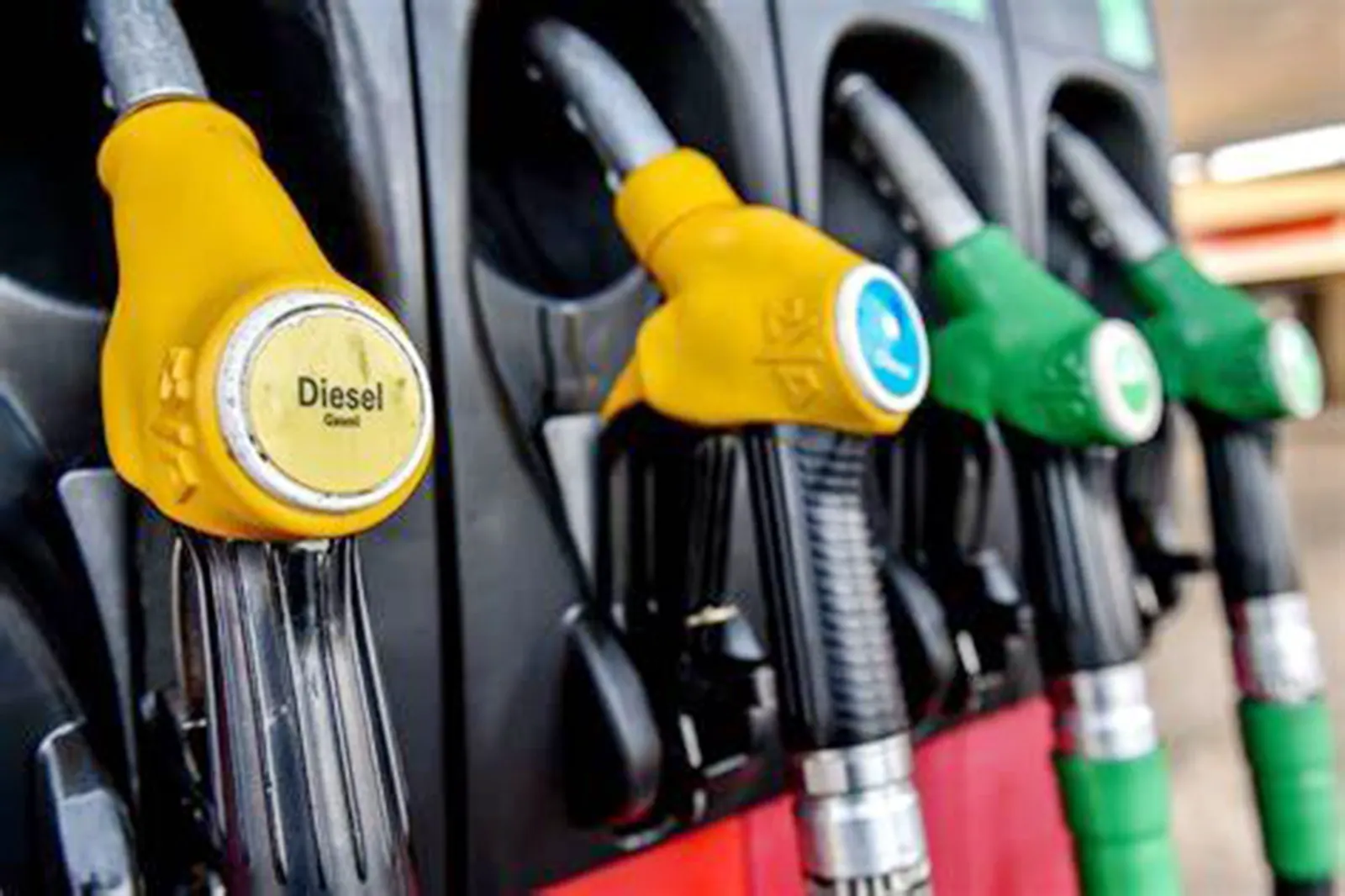
Long lines of cars and motorcycles have been observed at gas stations in Benin's commercial capital, Cotonou, in recent days, sparking concerns of a fuel shortage. Some gas stations have been non-functional, fueling speculation that petrol and diesel are no longer available through formal channels. However, the Ministry of Interior Trade has disputed these claims, stating that there is no shortage of fuel.
According to Laurent Akpo, Director of Cabinet at the Ministry of Interior Trade, the country consumes an average of 2.5 million liters of fuel per day. Of this, around 270,000 liters are allocated to the formal sector, while over 2 million liters go to the informal sector. Akpo attributed the current difficulties to an unexpected surge in demand from the informal sector, which has been impacted by supply chain disruptions.
The government claims that it has taken steps to ensure a stable fuel supply for the formal sector, with a security stockpile in place at the Benin Petroleum Depot. However, Akpo acknowledged that the informal sector's demand has increased significantly, tripling from 270,000 to over 600,000 liters per day. This has put pressure on gas stations, which are struggling to adapt to the new demand.
The situation has resulted in two main challenges, according to Akpo. The first is the additional cost borne by the government to supply the informal sector, which has increased substantially. The second is the inconvenience faced by consumers, who are experiencing delays and difficulties accessing fuel at gas stations.
Akpo emphasized that the issues are not due to a shortage of fuel, but rather the logistical challenges faced by gas stations in meeting the increased demand. Some stations had not been operating at full capacity due to the dominance of the informal sector, and are now struggling to adjust to the new demand.
The government is working to address the situation, with Akpo stating that measures are being taken to guarantee a stable fuel supply. This includes recruiting additional staff to help manage the increased demand and improve the efficiency of gas stations.
The fuel shortage controversy highlights the complexities of Benin's fuel supply chain and the challenges faced by the government in meeting the country's energy needs. As the situation continues to unfold, residents are advised to remain calm and to follow updates from official sources.
Key points
- The Benin government denies claims of a fuel shortage, citing increased demand from the informal sector.
- The country consumes an average of 2.5 million liters of fuel per day, with over 2 million liters allocated to the informal sector.
- The government has a security stockpile of fuel in place at the Benin Petroleum Depot to ensure a stable supply.