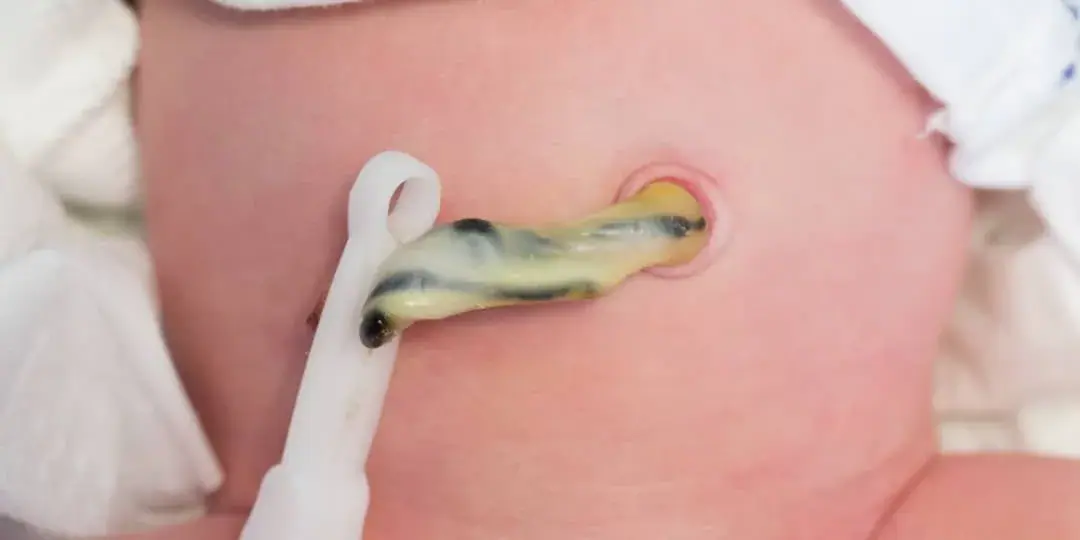
In Benin, new mothers often receive advice from their elderly relatives on how to care for their newborn's umbilical cord, with some being warned that if the cord is not properly protected, it could bring misfortune to the child. These traditional beliefs are passed down through generations and are still prevalent today. For example, some elderly individuals believe that if a mouse takes the cord, the child may become a thief or, if a girl, a prostitute.
The umbilical cord, also known as the moignon ombilical, is believed by some to have therapeutic properties. According to traditional practices, if a baby suffers from stomach pain, the cord can be soaked in warm water, and the baby can be given the water to drink to alleviate the pain. These practices are still followed by some families, despite the lack of scientific evidence to support their effectiveness.
However, medical professionals do not recognize these traditional beliefs as having any scientific basis. Zinétou Issa, a midwife, states that "the science does not know this reality" and that during her training, she was not taught about any connection between the umbilical cord and the child's future behavior or health. Instead, medical professionals emphasize the importance of proper hygiene and care of the umbilical cord to prevent infection.
In reality, the care of the umbilical cord is crucial for preventing infection and promoting healing. Medical professionals recommend that the cord be kept clean and dry, and that any products or substances not prescribed by a doctor be avoided. The use of a clamp to close the cord after sectioning is now the standard practice, and the cord is allowed to dry and fall off naturally.
Despite the lack of scientific evidence to support traditional practices, many families in Benin continue to follow these customs. For some, protecting the umbilical cord is a way of symbolically protecting the child's future. These practices highlight the importance of cultural beliefs and traditions in shaping post-birth care practices in Benin.
The persistence of traditional practices surrounding umbilical cord care also underscores the need for education and awareness about the importance of evidence-based medical care. While cultural beliefs and traditions are an integral part of Benin's heritage, they must be balanced with scientific knowledge to ensure the best possible outcomes for mothers and children.
Ultimately, the care of the umbilical cord is a critical aspect of post-birth care, and it is essential that new mothers receive accurate and evidence-based information about how to care for their newborn's cord. By combining traditional practices with medical knowledge, families in Benin can ensure that their children receive the best possible start in life.
Key points
- Cultural beliefs and traditions continue to influence post-birth care practices in Benin, particularly with regards to umbilical cord care.
- Medical professionals emphasize the importance of proper hygiene and care of the umbilical cord to prevent infection, but traditional practices persist.
- Education and awareness about evidence-based medical care are essential to ensuring the best possible outcomes for mothers and children in Benin.