In a recent move, the municipality of Savè in Benin has launched a campaign to reclaim public spaces along the RNIE 2 highway. On September 24, 2026, Mayor Rafiou Challa led a sensitization tour between the bus stop and Oryx station, warning occupants to vacate areas reserved for circulation. This effort aims to prevent the reoccupation of spaces that had previously been cleared. The municipal authorities are concerned that the occupation of these areas can reduce available space for users and complicate travel.
The mayor's tour focused on areas where installations had reappeared after initial clearance. Challa urged those concerned to remove their activities and preserve the cleared spaces. The municipality is working to prevent a new occupation of the highway's edges, which could compromise road safety and the overall living environment. By maintaining these public spaces, the authorities hope to enhance the aesthetic appeal of the area and promote a smoother flow of traffic.
The issue of public space occupation is not unique to Savè, as the RNIE 2 highway is set to undergo significant renovations. On September 9, 2026, the Beninese government and the Millennium Challenge Corporation launched a project to reconstruct the Sètto-Dassa-Zoumè section, spanning 39.45 kilometers. The project includes widening the road to 2x2 lanes, building a second bridge over the Zou River, and installing a modern toll and weighing station.
The municipality of Savè is not undertaking a new demolition operation but rather a sensitization campaign to prevent the reoccupation of previously cleared areas. The RNIE 2 highway is a vital corridor connecting several cities in Benin, and its renovation is expected to improve transportation links between Cotonou and the north of the country. The authorities in Savè are working to maintain public spaces and prevent future encroachments.
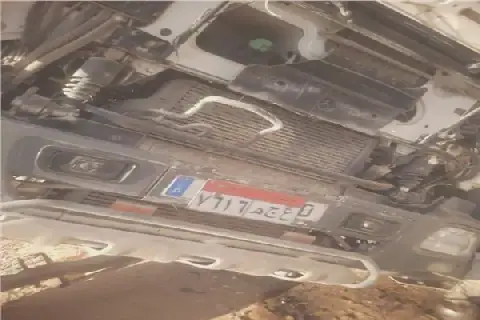
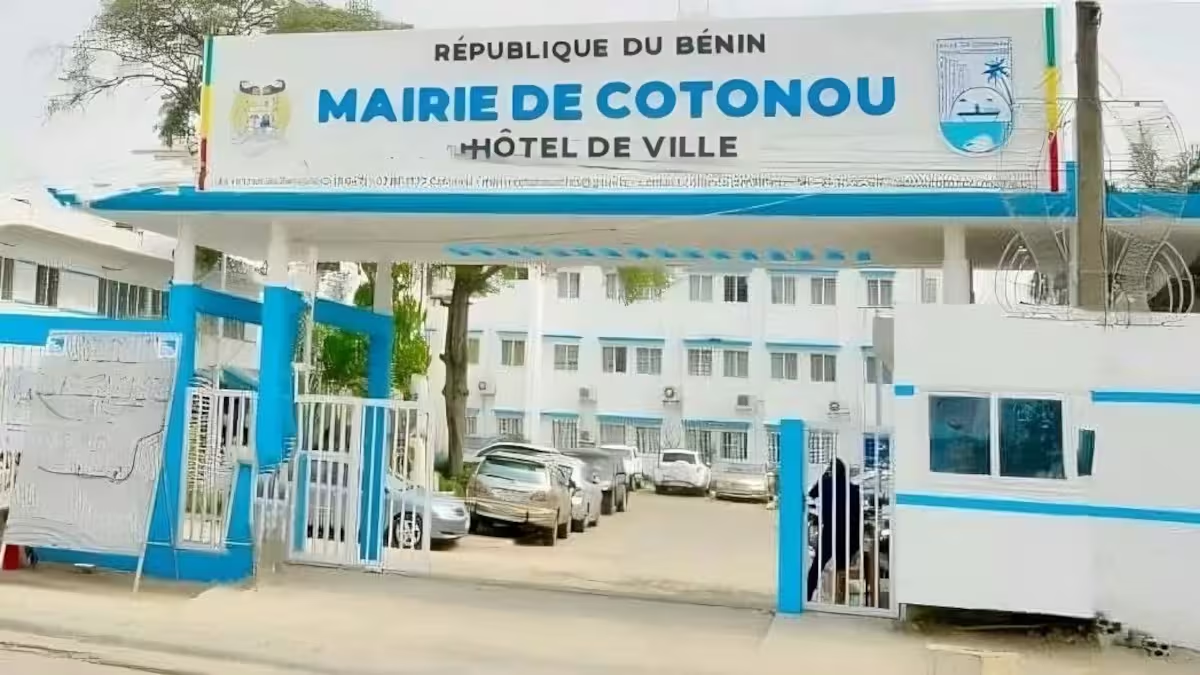
Meanwhile, in Cotonou, the capital city of Benin, the municipal authorities have begun a more drastic operation to free up public spaces. Since September 21, 2026, municipal services have been intervening against garages installed on highway easements, as well as abandoned vehicles and wrecks. This action follows months of information and sensitization campaigns. On the first day of intervention, 19 abandoned vehicles were taken to a municipal impound lot.
The approaches taken by the municipalities of Savè and Cotonou differ, but both aim to address the issue of public space occupation. In Savè, the focus is on sensitization and cooperation, while in Cotonou, the authorities have opted for more decisive action. The efforts are part of a broader strategy to improve road safety, aesthetics, and overall quality of life in Benin's urban areas.
The campaigns in Savè and Cotonou reflect a growing concern among Beninese authorities about the occupation of public spaces. By reclaiming these areas, the municipalities hope to enhance the living environment, promote road safety, and improve the overall appearance of their cities. The initiatives are also expected to contribute to the country's development goals, including the creation of more livable and sustainable urban spaces.
Key points
- Benin authorities are taking steps to free up public spaces, citing safety and aesthetic concerns.
- The municipalities of Savè and Cotonou are using different approaches to address the issue of public space occupation.
- The efforts aim to improve road safety, aesthetics, and overall quality of life in Benin's urban areas.