The Benin-Asaba Expressway, a 125-kilometre major reconstruction and expansion project, has been plagued by difficulties, including failed portions of the road, congestion, and diversions. While motorists face frustrating travel experiences, experts argue that it is premature to judge the project's success based on current conditions. The project involves site preparation, earthworks, drainage, pavement construction, culverts, production facilities, traffic management, and substantial engineering and technical preparation.
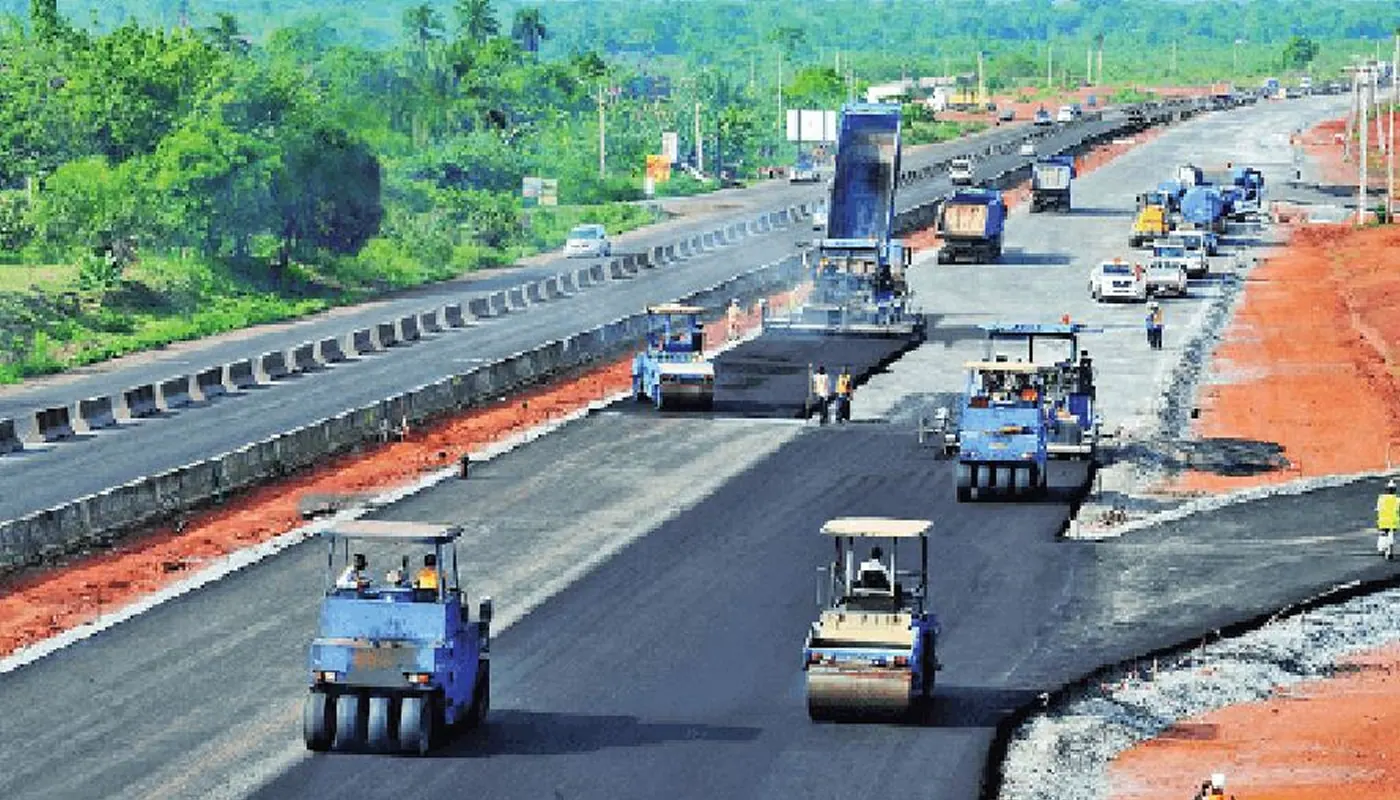
The project entails a comprehensive overhaul of the existing highway, with parts of the urban corridor planned for expansion into a modern 10-lane carriageway. This scale of infrastructure development is built in stages, with the finished asphalt being one of the last visible stages of a much longer engineering process. Before the asphalt layer, several activities must take place, including drainage, earthworks, subgrade preparation, pavement layers, culverts, relocation of utilities, installation of production plants, and mobilisation of specialised equipment.
According to project updates, various activities have been taking place, including earthworks and subgrade preparation, drainage and culvert construction, asphaltic concrete and binder-course development, and carriageway expansion. Work has been documented from Chainage 9+500 to Chainage 30 in Benin and towards the Delta State axis. The Benin-Asaba Expressway Construction Company (BAECC) has invested billions of naira in private-sector resources in construction equipment, materials, facilities, and logistics.
While motorists should not be expected to endure bad sections of the highway without mitigation, the company reconstructing the road assumes two responsibilities: building tomorrow's road and making today's road reasonably passable. To address this, BAECC has carried out and continues to carry out palliative and rehabilitation interventions across the corridor. These measures aim to reduce hardship while the main engineering work continues.
However, palliatives can themselves become victims of the conditions they are meant to address. The rainy season has been particularly difficult, with persistent rainfall affecting earthworks, drainage, pavement stabilisation, and asphalt operations. When the ground becomes saturated, some construction activities have to be slowed or resequenced, and asphalt and pavement operations can be impacted.
Despite the challenges, it is essential to consider the project's progress and the complexities involved in major infrastructure development. The finished product will be a modern, expanded highway with improved drainage and other essential features. Motorists will ultimately benefit from a safer and more efficient travel experience.
The Benin-Asaba Expressway project serves as a reminder that significant infrastructure development requires time, resources, and patience. While current conditions may be challenging, it is crucial to evaluate the project's success based on its overall progress and long-term benefits, rather than just its current state.
Key points
- Billions of naira have been invested in the project.
- Palliative measures are being taken to reduce hardship.
- The project involves comprehensive overhaul and expansion of the existing highway.