The United Nations Conference on Trade and Development (UNCTAD) has called for increased cooperation to help African countries adapt to climate change. According to UNCTAD's report on trade and development, the global economy is expected to grow by 4% in 2026, while economic growth in developing countries is projected to slow down to 4%. African countries face significant challenges, including new technological and political obstacles that hinder their access to international markets.
Climate change poses significant risks to African economies, which are heavily reliant on a narrow range of products and are highly vulnerable to climate-related shocks. The UNCTAD report highlights that these countries' exports remain concentrated, while their exposure to climate-related risks remains high. This double vulnerability amplifies the impact of external shocks, exacerbates trade imbalances, and reduces the fiscal space needed to finance adaptation efforts.
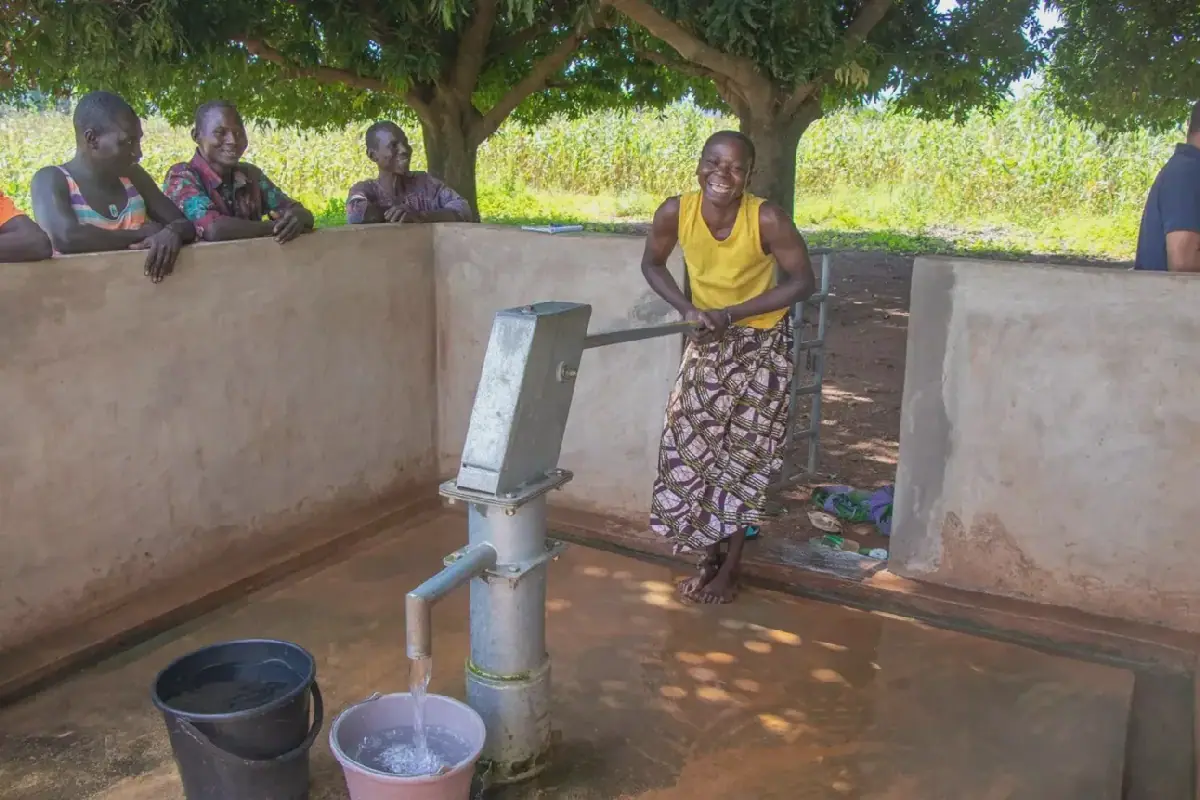
To address these challenges, UNCTAD emphasizes the importance of affordable access to climate-friendly technologies. An analysis of 41 technology needs assessments conducted in developing countries since 2015 reveals that priorities include water collection and storage, improving crop resilience, and renewable energy sources such as solar and hydroelectric power. These needs are particularly relevant for African countries, which require support to adapt to climate change.
International trade can play a crucial role in disseminating climate-friendly solutions. In 2025, global exports related to solar and wind energy supply chains exceeded $1.8 trillion, growing faster than other manufactured goods. However, despite the growing importance of climate issues in trade agreements, the operational scope of these agreements remains limited. Most agreements signed between 2023 and 2025 include general statements of intent, but few address concrete measures to reduce tariff and non-tariff barriers.
To overcome these challenges, UNCTAD recommends reducing non-tariff barriers and facilitating access to green technologies. The organization suggests harmonizing standards and recognizing certifications, as well as strengthening South-South cooperation through the Global System of Trade Preferences. By promoting cooperation and reducing obstacles, UNCTAD aims to support African countries in diversifying their economies and financing their adaptation efforts.
The UNCTAD report also highlights the need for better articulation between trade policies and investment strategies to develop local productive capacities in strategic sectors such as renewable energy, sustainable agriculture, water management, and the blue economy. By adopting a more comprehensive approach, African countries can create jobs, mobilize resources, and implement their climate commitments.
The call for easier access to green technologies comes as countries prepare for future climate negotiations. Benin, a West African country, has been actively engaged in climate discussions, advocating for climate finance, adaptation, and protection of rural women. The country's efforts reflect a growing recognition of the need for collective action to address the pressing challenges posed by climate change.
Key points
- UNCTAD urges cooperation to help African countries adapt to climate change.