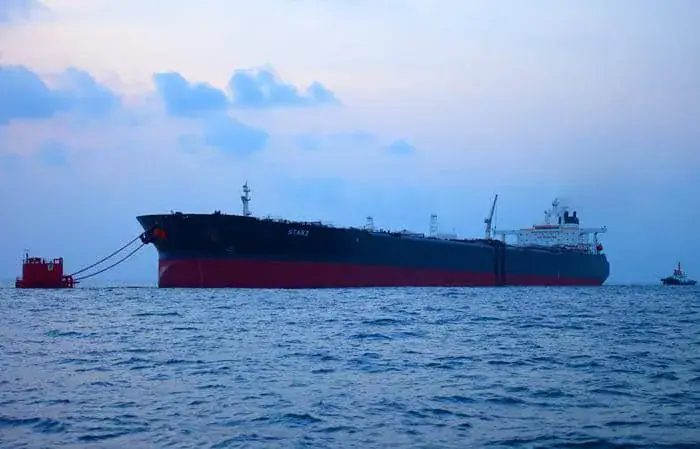
The global oil market is expected to experience a surplus in the fourth quarter of 2026, according to the International Energy Agency (IEA). The IEA forecasts that the global production will reach 105 million barrels per day, 1.7 million more than the demand. This increase is largely due to the resumption of oil exports from the Middle East. In October, global production rose by 2.3 million barrels per day to 105.4 million barrels daily.
The resurgence in oil production has contributed to a slowdown in global consumption. The IEA predicts a decline in demand of 2.7 million barrels per day in 2026, to 102.3 million. High energy prices and a slowdown in certain economic activities are driving this trend. As a result, oil prices have reacted to these prospects, with the Brent crude price falling by 0.7% to $95.15 on November 16, and the West Texas Intermediate (WTI) price dropping by 0.4% to $88.19.
The potential surplus in the oil market may have varying consequences for different economies. For oil-importing African countries like Benin, a sustained decline in oil prices could reduce supply costs. This decrease might alleviate some pressure on product prices and transportation costs. However, the impact on fuel prices at the pump would depend on factors such as transportation costs, refining costs, taxes, and distributors' margins.
Conversely, oil-producing countries may face less favorable prospects. A decline in oil prices could reduce export revenues and complicate public expenditure financing, particularly in economies heavily dependent on oil. The IEA's forecast of an oil surplus does not guarantee a sustained decline in prices, as geopolitical tensions, transportation difficulties, and supply disruption risks remain.
The oil market remains susceptible to international economic and geopolitical developments. The resumption of Middle Eastern oil exports has contributed to a partial return to normal supply rhythms, despite persistent tensions on certain maritime routes. The slowdown in global demand has also played a role in the expected surplus.
Economies in Africa will be affected differently by changes in the global oil market. For Benin, a decline in oil prices could have positive effects on the economy, but this depends on various factors, including the extent to which reduced costs are passed on to consumers. Oil-producing countries, on the other hand, may need to adapt to a more challenging environment.
The global oil market is set to experience significant changes in the coming months, driven by factors such as production levels, demand, and geopolitical events. As the market adjusts to these changes, economies around the world, including Benin, will need to respond to the shifting landscape. The IEA's forecast provides valuable insights into the potential trends and impacts on the global economy.
Key points
- The global oil market is expected to experience a surplus in Q4 2026.
- A sustained decline in oil prices could benefit oil-importing countries like Benin.
- Oil-producing countries may face challenges due to a potential decline in oil prices.