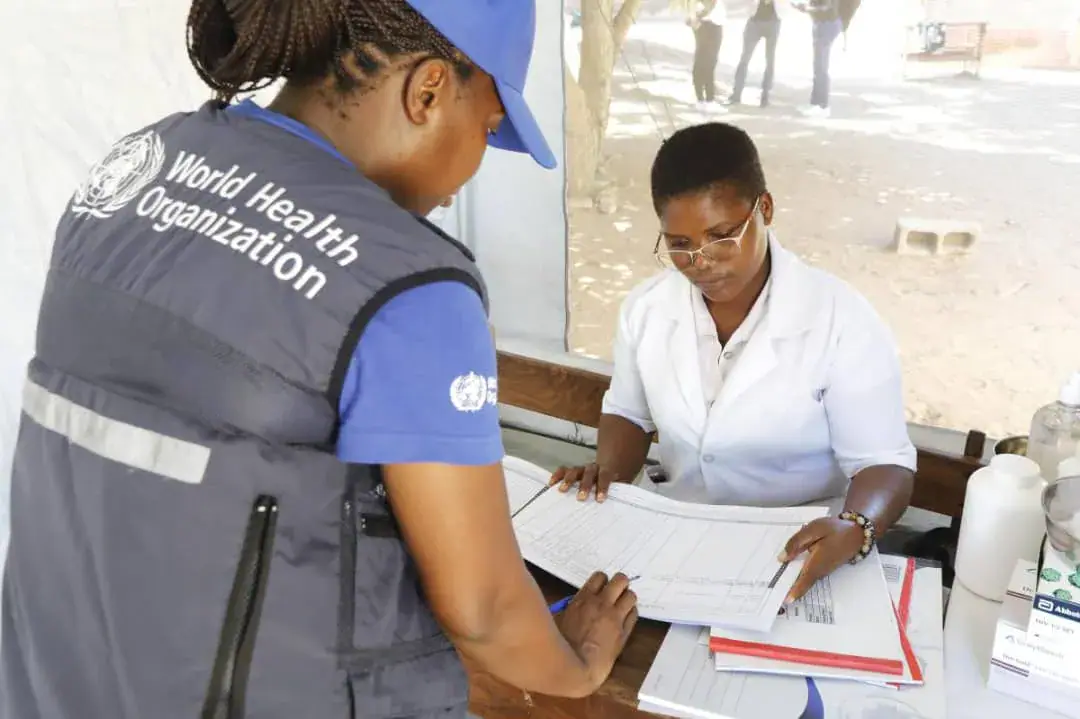
A recent World Health Organization report emphasizes the importance of reliable health data in improving healthcare services in Africa. The report, published on November 10, 2026, notes that the quality of care depends on accurate health information. In Africa, digital tools are making progress, but gaps persist in recording deaths and using data. The report evaluated 40 out of 47 countries in the African region, giving their health information systems a maturity score of 59 out of 100.
The evaluation found that only 19 countries reported notifying authorities of at least 80% of deaths, and in 21 countries, the cause of death was known for at least 80% of recorded deaths. Furthermore, analysis of data remains challenging, with only 43% of evaluated countries having sufficient capacity to analyze data in healthcare facilities. This capacity drops to 25% for verifying data quality. Additionally, only 18% of countries have a dedicated budget line for these systems.
The use of digital platforms for collecting and transmitting health data is becoming more widespread, with 43 out of 47 African countries adopting such platforms. However, these tools do not guarantee data accuracy. Healthcare teams require training and resources to verify and utilize the information effectively. In Benin, the ALAFIA I program, approved in June 2026, aims to strengthen data systems with a focus on improving healthcare, nutrition, and early childhood development services.
The ALAFIA I program, also known as "Nourrir l'avenir du Bénin," has received $150 million from the International Development Association and $20 million from the Global Financing Facility. This funding supports a government program worth $750 million, set to run from 2026 to 2031 in at least 46 communes. The program seeks to enhance services in healthcare, nutrition, and early childhood development, as well as local capacities and data systems.
Reliable health data is crucial for identifying the needs of patients, including pregnant women, children to be vaccinated, and patients requiring care. Accurate information helps healthcare teams address gaps in services and correct deficiencies. To leverage digital tools for improved care, countries must invest in training healthcare professionals, financing data systems, and controlling data quality.
The implementation of ALAFIA I and similar initiatives can contribute to better health outcomes in Benin and across Africa. By addressing the gaps in health data and information systems, countries can make more informed decisions about healthcare priorities and resource allocation. This, in turn, can lead to more effective healthcare services and improved health outcomes for populations.
As efforts to strengthen health systems and data use continue, it is essential to prioritize the needs of patients and communities. By doing so, countries can ensure that healthcare services are tailored to address specific needs and challenges, ultimately leading to better health outcomes and more efficient use of resources.
Key points
- WHO report highlights need for reliable health data in Africa
- Benin's ALAFIA I program aims to strengthen data systems and improve healthcare services
- Reliable health data crucial for identifying patient needs and improving healthcare outcomes