A female farm worker diagnosed with cervical cancer in Limpopo abandoned hospital treatment after her husband warned that removing her womb would affect their sex life. She now struggles to work due to persistent bleeding. Her case highlights the challenges health-care workers face in rural communities, where fear, stigma, misinformation, and cultural and religious beliefs about cancer hinder women from seeking and remaining in care.
Cervical cancer is the second most common cancer among women in South Africa, with about one in 41 women facing a lifetime risk of developing the disease. Health-care workers say some women delay screening or treatment due to misconceptions about the disease, while others fear the consequences of treatment for their relationships and reproductive health. Kgopotso Manamela, a manager at Hlokomela Clinic, shared the farm worker's case, stating that she was diagnosed and referred to Tintswalo Hospital but ran away after her husband's warning.
Hlokomela Clinic works with farm workers from Mpumalanga and Limpopo, and health-care workers are trying to educate them about cervical cancer and its consequences if left untreated. Manamela said they have not given up on the farm worker who abandoned treatment. The challenge of getting women screened and treated has led health-care organizations to adopt new technologies and partnerships with traditional health practitioners to bring cancer services closer to rural communities.
The Breast Health Foundation, in partnership with Discovery and the Mpumalanga department of health, has launched the Pfukani Mobile Clinic, a solar-powered unit providing breast and cervical cancer services to rural communities in Bushbuckridge. The mobile clinic aims to tackle barriers to early diagnosis by bringing screening, diagnosis, and treatment directly to women, reducing the need for repeated trips to distant health facilities.
The Pfukani Mobile Clinic is equipped with advanced diagnostic technology, including an AI-assisted ultrasound system for breast examinations and a GeneXpert diagnostic system for cervical cancer prevention. The clinic also offers biopsies, Pap smears, and thermal ablation or LLETZ treatment for precancerous changes. Louise Turner, director of the Breast Health Foundation, said the mobile clinic aims to address barriers to early diagnosis and care by bringing world-class diagnostic tools closer to communities.
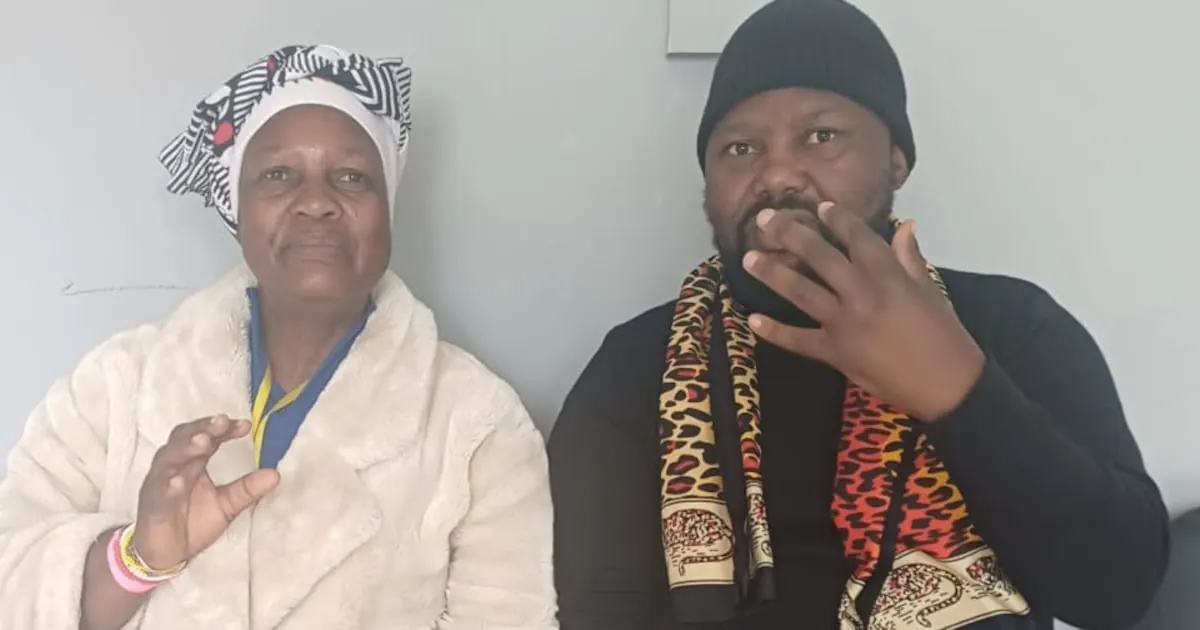
The Breast Health Foundation has also been working with traditional health practitioners, who are often the first point of consultation for community members. Esther Mashene, deputy chairperson of Traditional Health Practitioners in Bushbuckridge, said the training has strengthened cooperation between traditional practitioners and health-care workers, enabling them to refer patients to the public health system. Mandla Mnisi, chairperson of Lesaka la di Ngaka in Mpumalanga, emphasized the need for mutual recognition between traditional and Western health-care practitioners to help patients navigate both systems safely.
The mobile clinic will operate on a rotational schedule across rural communities, working with trained traditional health practitioners to identify warning signs and encourage women to seek screening. The clinic is equipped with digital blood-pressure monitoring, a digital scale, and a paperless patient-record system linked to the referral pathway.
Key points
- Cervical cancer is the second most common cancer among women in South Africa.
- Fear, stigma, and misconceptions hinder screening and treatment in rural areas.
- The Pfukani Mobile Clinic aims to address barriers to early diagnosis and care in rural communities.