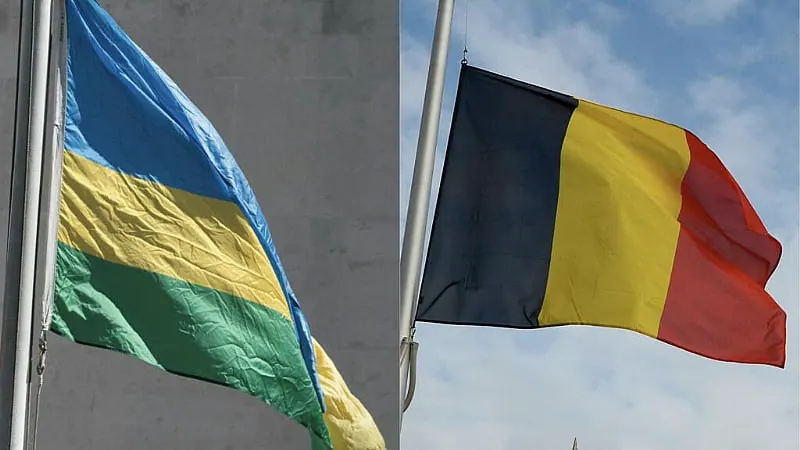
Rwanda and Belgium have restored diplomatic ties, following an 18-month rupture. A joint statement by Rwandan Foreign Minister Olivier Nduhungirehe and Belgian counterpart Maxime Prevot confirmed the resumption of diplomatic relations. Both parties emphasized their commitment to maintaining an open, candid, and transparent dialogue to address bilateral differences and discuss divergent positions. This development marks a significant improvement in relations between the two nations.
The restoration of diplomatic ties follows a process of frank discussions between the two countries. Both Rwanda and Belgium expressed gratitude to Qatar for facilitating the first meeting between their ministries in Doha in June 2025. Qatar's Ministry of Foreign Affairs welcomed the announcement, reaffirming Doha's commitment to promoting diplomacy as a solution to global crises. The renewed relations are expected to strengthen bilateral cooperation and foster greater understanding between the two nations.
As part of the renewed diplomatic relations, both countries agreed to reopen their respective embassies in the near future. Initially, a chargé d'affaires will head the mission before an ambassador is appointed. Regular dialogue will be maintained, including discussions on areas of disagreement, specifically the conflict in eastern Democratic Republic of Congo (DRC). This commitment to ongoing communication is seen as essential in addressing the complex issues between the two nations.
The diplomatic rupture occurred in March 2025, when Rwanda severed ties with Belgium, citing Brussels' decision to "choose a side" in the conflict with the DRC. The move was a response to Belgium's condemnation of Rwanda's alleged support for the M23 armed rebel group, which has been accused of human rights abuses in eastern DRC. The European Parliament had also called for the suspension of an EU-Rwanda minerals agreement, further straining relations.
The conflict in eastern DRC has resulted in significant humanitarian suffering, with 7,000 people killed and 450,000 displaced, according to the DRC government. The M23 rebel group, which Rwanda denies supporting, took control of provincial capitals Goma and Bukavu in early 2025. Belgium, along with other European countries, had pushed for tougher measures against Rwanda, leading to the suspension of development cooperation and the eventual severance of diplomatic ties.
The historical context of the conflict is complex, with Belgium having ruled Rwanda from 1916 until its independence in 1962. The legacy of colonialism continues to influence relations between the two nations. The recent developments have raised hopes for improved cooperation and a more constructive dialogue between Rwanda and Belgium, with potential implications for regional stability.
The restored diplomatic relations between Rwanda and Belgium have significant implications for the region. The two nations have committed to addressing their differences through open dialogue, which may help to reduce tensions in the region. The involvement of Qatar in facilitating the renewed relations highlights the importance of international diplomacy in resolving conflicts. As the situation in eastern DRC remains volatile, the restored ties between Rwanda and Belgium may contribute to a more stable and peaceful resolution.
Key points
- Rwanda and Belgium have restored diplomatic ties after an 18-month rupture, committing to open and transparent dialogue.
- The renewed relations follow a process of frank discussions, facilitated by Qatar.
- The restored ties have significant implications for regional stability, particularly in the context of the ongoing conflict in eastern Democratic Republic of Congo.