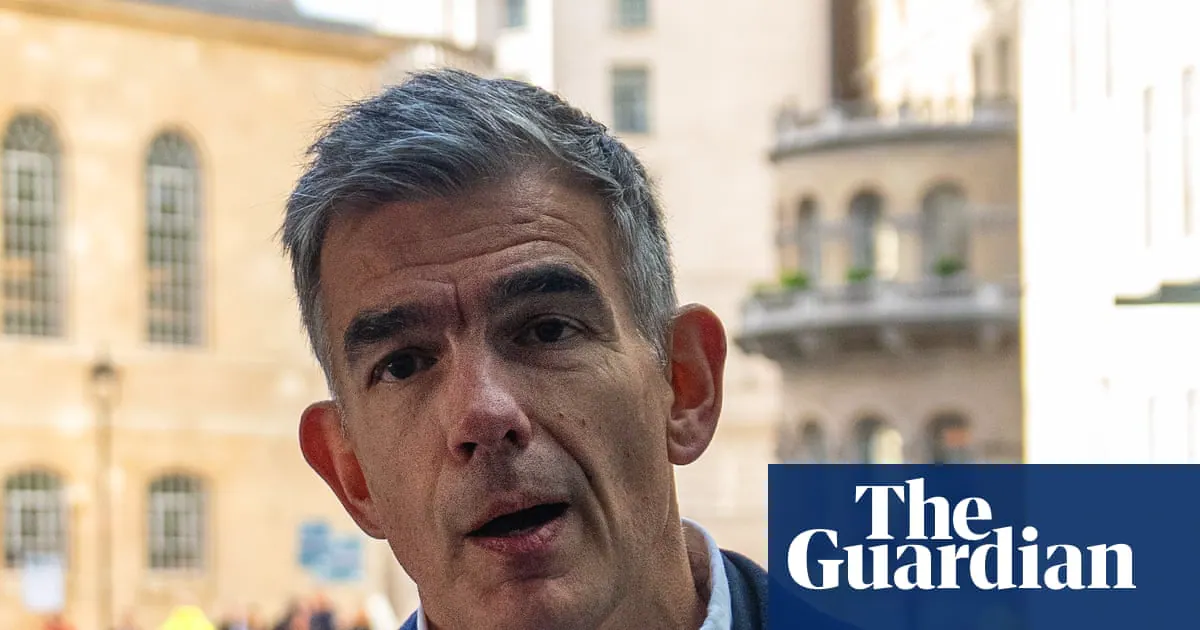
The BBC's Director General, Matt Brittin, is under fire from staff for his handling of job cuts, with many criticizing his decision to prioritize cuts among frontline employees rather than addressing the organization's senior ranks. During an all-staff meeting, Brittin acknowledged that the BBC would be "smaller" but still make a significant impact. He advocated for a more efficient approach, suggesting that the organization should focus on action rather than conversation.
The BBC is in the process of cutting up to 2,000 jobs, which has raised concerns among staff about the protection of executive roles at the expense of junior employees. Staff members have questioned how these changes will impact senior management, with one person highlighting that the BBC is "an incredibly top-heavy organisation" and noting that "all the 'doers' are being cut." This has led to criticism that the organization is not doing enough to address its senior ranks.
The job cuts have also raised concerns about the impact on morale, with staff members citing a Guardian article addressing low morale at the BBC. One employee remarked, "I don't want to hear about savings when bosses get huge salaries." The criticism also extends to a broken promise of jobs for apprentices who now face redundancy. Brittin disputed claims of morale issues, stating that he believes the staff is motivated and proud to work for the BBC.
Anna Foster, host of the Radio 4 Today programme, noted that many staff members believe the cuts disproportionately affect junior staff rather than management. In response, Rhodri Talfan Davies, the deputy director general, assured that senior roles would also be impacted, saying, "We are expecting changes at all levels of the organisation." However, BBC employees have reported feeling worn down by the gradual rollout of job cuts, with more announcements expected in the coming days.
The job cuts will affect various departments, including news and local content, with BBC Three and BBC Scotland channels likely to be merged to ease financial strain. Brittin used the opportunity to showcase potential new features for iPlayer, which he believes is outdated despite its pioneering launch over 20 years ago. He presented an AI feature named "Iggy," designed to recommend content, and a version of iPlayer that highlights BBC YouTube content.
Brittin aims to enhance the BBC's presence on platforms like YouTube, Netflix, and Amazon Prime. He encouraged the public to think of iPlayer as "iPlayer and chill," similar to the popular streaming service Netflix. The BBC is exploring ways to adapt to changing viewer habits and stay competitive in the market. The organization is also considering new strategies to address the decline in licence fee payments.
The UK government is considering plans that would require anyone using a streaming service to pay the BBC's licence fee, addressing the concerning decline in the number of households doing so. Brittin and the BBC are working to find a solution to the financial challenges facing the organization while maintaining its commitment to quality content and public service broadcasting. The outcome of these efforts will likely have a significant impact on the future of the BBC.
Key points
- The BBC is cutting up to 2,000 jobs, with many staff members fearing that junior employees will be disproportionately affected.
- The organization's Director General, Matt Brittin, has faced criticism for prioritizing job cuts among frontline staff rather than addressing senior ranks.
- The BBC is exploring new features for its iPlayer platform, including AI-assisted recommendations, to enhance its presence on streaming services.