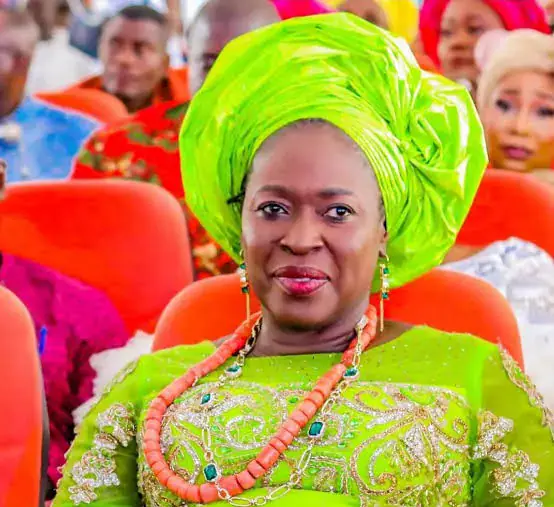
A Bayelsa State House of Assembly member, Hon. Ebizi Ndiomu-Brown, has expressed support for the proposed reserved seats for women in the National and State Houses of Assembly. She represents Sagbama Constituency III and is one of only two female members in the 24-member Bayelsa State House of Assembly. Ndiomu-Brown believes the initiative will give women a stronger voice in governance and provide them with opportunities to gain legislative experience.
However, Ndiomu-Brown warns that the success of the proposal depends on ensuring that credible and qualified female candidates emerge through a transparent selection process. She cautions that allowing political leaders to impose candidates on women could undermine the objective of the proposal. The lawmaker suggests that women should have a decisive role in selecting those who would occupy the proposed seats rather than leaving the process entirely in the hands of male political leaders.
Ndiomu-Brown proposes that political parties could adopt a nomination arrangement that gives their women’s wings a major role in selecting candidates. She cites South Africa as an example, where such an arrangement has been successful. The lawmaker believes that if Nigeria can follow this example and find a law that safeguards it, the country will be in a better place.
The lawmaker views the reserved seats as a temporary measure to correct the imbalance in political representation, rather than a permanent arrangement. She believes the initiative should remain in place for as long as necessary to improve women’s participation and create opportunities for more women to contest and win elective positions. This, she hopes, will help women build the political confidence and experience required to compete for other elective positions in the future.
According to Ndiomu-Brown, her understanding is that the reserved seats would be additional seats created specifically for women, rather than being taken from existing constituencies. This arrangement would increase the number of lawmakers while providing more women with opportunities to participate directly in lawmaking. She notes that countries such as Rwanda and South Africa have used reserved-seat arrangements to improve women’s representation in legislative institutions.
Ndiomu-Brown emphasizes that the whole idea of reserved seats is to ensure that women have more representation, a louder voice, and a stepping stone to more women seats in the Assembly. She argues that increasing the number of female lawmakers without giving them the freedom to choose their representatives would undermine the objective of the proposal.
The proposed reserved seats for women aim to address the low representation of women in elective positions. With Ndiomu-Brown’s suggestions and support, the initiative could potentially pave the way for more women to participate in Nigerian politics. The lawmaker’s call for a transparent selection process is a crucial aspect of ensuring the success of the proposal.
Key points
- The proposed reserved seats for women in Nigeria's National and State Houses of Assembly aim to increase women's representation in elective positions.
- A transparent selection process is crucial for the success of the proposal, according to Bayelsa lawmaker Ebizi Ndiomu-Brown.
- The reserved seats should be viewed as a temporary measure to correct the imbalance in political representation, rather than a permanent arrangement.