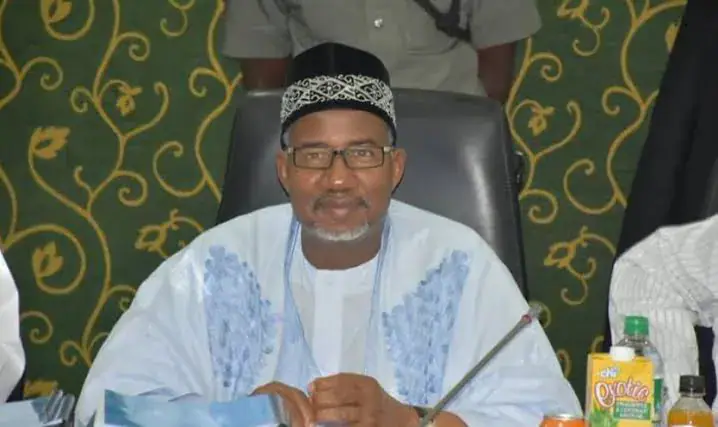
The administration of Governor Bala Mohammed in Bauchi State, Nigeria, is redefining development in the region with a focus on transforming the state's economy. For decades, northern Nigeria has seen disconnected projects that have not translated into sustainable prosperity. However, Governor Mohammed's approach seeks to utilize infrastructure as an instrument to boost the state's productive capacity. This vision is supported by $5.2 billion in investment Memoranda of Understanding covering agriculture, livestock, mining, and environmental development.
The economic vision of Governor Mohammed's administration aims to diversify Bauchi's economy, which is currently largely dependent on primary production and government spending. The goal is to create an economy driven by agriculture, industrialization, value addition, private investment, and employment generation. Infrastructure development is being pursued with a focus on connecting farmers to markets, agricultural communities to processing facilities, and mineral-producing areas to industries.
Bauchi State occupies a significant economic position in the North-East region of Nigeria, with vast agricultural land, a substantial livestock population, mineral deposits, and human resources. However, these resources require accessible roads, reliable energy, modern processing facilities, efficient transportation, and a conducive business environment to realize their full potential. The administration is laying the groundwork for a more integrated state economy by linking infrastructure development with productive sectors.
A key aspect of Bauchi's economic opportunity lies in transforming its agricultural potential into industrial prosperity. The state needs agro-processing industries that can convert agricultural produce into finished and semi-finished products, along with modern storage facilities, packaging plants, and reliable markets. Similarly, the livestock sector requires modern meat-processing facilities, dairy industries, and other related enterprises to generate employment and increase farmers' incomes.
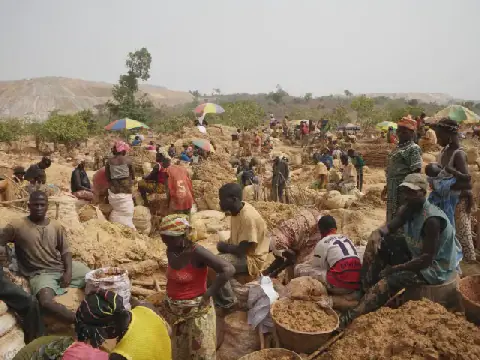
The mining sector in Bauchi also presents a significant opportunity for economic growth. However, the state must move beyond an extractive model and focus on responsible mining, local processing, transparent licensing, and community participation. Properly managed, mining can stimulate industrial development, create jobs, generate revenue, and support small businesses while ensuring environmental protection and the rights of host communities.
Environmental management has been recognized as a development priority in Bauchi's emerging economic agenda. The state is taking steps to address environmental concerns such as desertification, flooding, and climate variability, which directly affect agricultural production, livestock management, and food security. Investment in land restoration, water conservation, and sustainable livestock production will help protect existing livelihoods while creating new economic opportunities.
The development direction of Bauchi State under Governor Bala Mohammed's leadership serves as an example for the North-East region, which faces challenges such as poverty, unemployment, and limited industrial capacity. The approach offers a lesson in creating conditions for private enterprise to flourish through infrastructure, predictable policies, and partnerships with investors. This strategy aims to enable state governments to produce, process, manufacture, attract investment, and compete economically.
Key points
- Governor Bala Mohammed's administration is pursuing an economic vision with a focus on infrastructure investments and development partnerships to transform Bauchi State's economy.
Reporting sources
- Bauchi’s Future Is Being Designed Now · The Authority (newspaper)