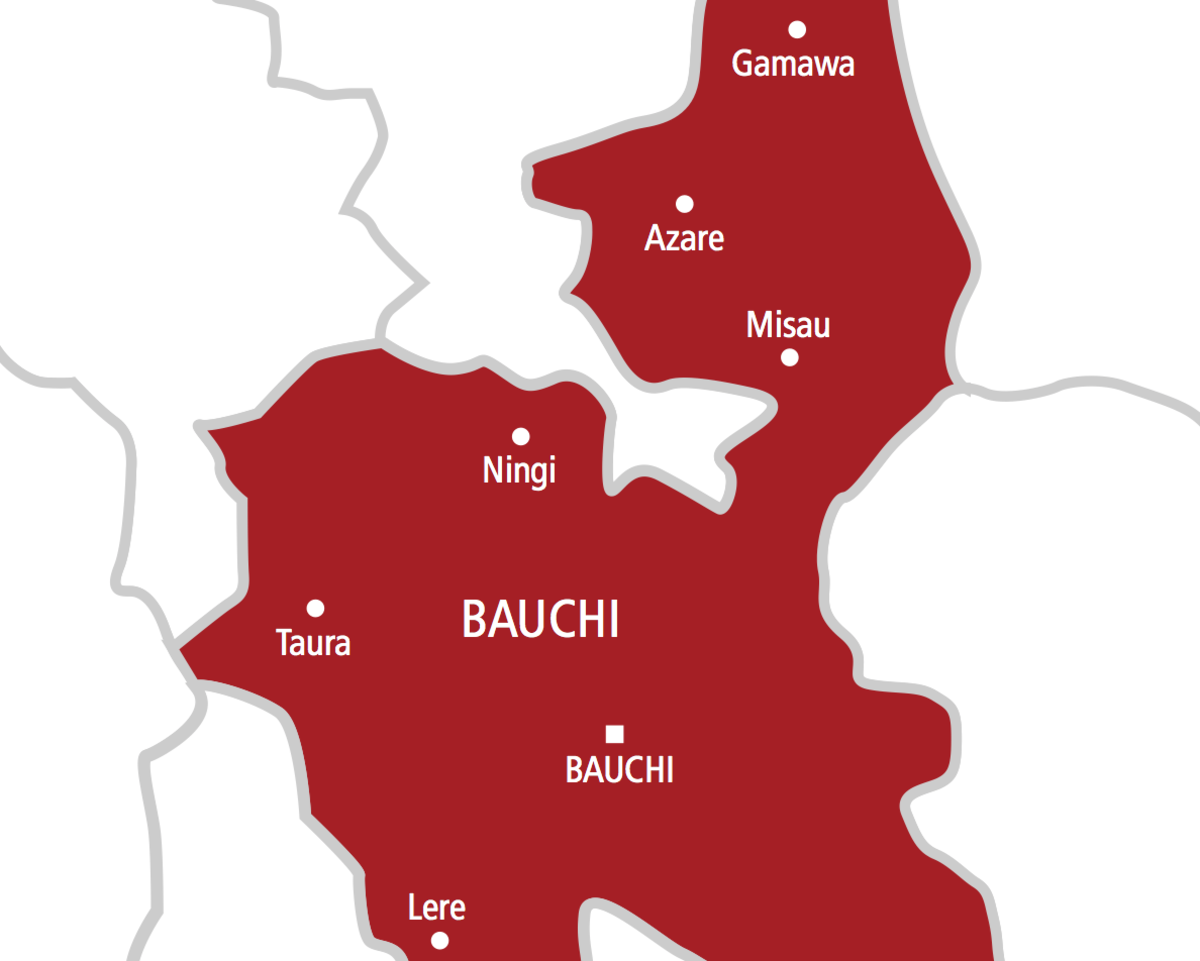
A recent survey conducted by the Nigerian Demographic and Health Survey (NDHS) has revealed that Bauchi state has a high total fertility rate of 6.2 children per woman. Additionally, the survey found that 22.2% of women in the state have an unmet need for family planning. This information was disclosed by Dr. Rilwanu Mohammed, the Executive Chairman of the Bauchi State Primary Healthcare Development Board, at a town hall meeting organized to commemorate the 2026 World Contraception Day.
The survey also reported that the state's modern contraceptive prevalence rate stands at 10.6%. Dr. Mohammed stated that these figures highlight the challenges facing family planning in the state and the need to expand access to contraceptive services. He emphasized that a significant number of women who want to delay, space, or limit pregnancies are still unable to access or use available contraceptive methods.
Dr. Mohammed noted that the state government has demonstrated commitment to addressing the gap in family planning services. The state has adopted the national guideline for state-funded procurement of family planning commodities, strengthening government ownership and domestic financing of essential contraceptive methods. The state government has allocated approximately N50 million for the procurement of family planning commodities, including injectables and implants.
The state government has also expanded access to family planning services by increasing service delivery points from 610 to 713, bringing services closer to communities. However, Dr. Mohammed noted that physical availability of services alone is not enough, and there is a need to address commodity stock-outs, improve forecasting and distribution, strengthen the capacity of healthcare workers, and ensure that clients receive respectful, confidential, and quality counselling.
Dr. Mohammed emphasized that family planning is a shared responsibility and called on husbands and men to support their spouses in making informed reproductive health decisions. He also urged traditional and religious leaders, community leaders, civil society organizations, and the media to help address misinformation, misconceptions, and social barriers that could discourage families from accessing family planning services.
The state government has increased its financial commitment to family planning services, with Governor Bala Abdulkadir Mohammed approving N70 million for the current year. Additionally, about N100 million has been approved under another government program as a matching grant to support funding from the United Nations Population Fund (UNFPA). The state has chosen to procure commodities through UNFPA, with measures in place to ensure efficient procurement.
The Permanent Secretary of the Primary Healthcare Board, Irimiya Liman, and the Family Planning Focal Person of the board, Maryam Dahiru, also spoke at the town hall meeting, stressing the importance of family planning in building healthy families and a healthier society. They appealed to traditional institutions and religious leaders to intensify awareness and encourage acceptance of various family planning methods.
Key points
- The state has a high total fertility rate of 6.2 children per woman and 22.2% unmet need for family planning.
- The state government has demonstrated commitment to addressing the gap in family planning services through increased investment and expanded access to contraceptive services.
- Family planning is a shared responsibility that requires the support of husbands, men, traditional leaders, and the media to address misinformation and social barriers.