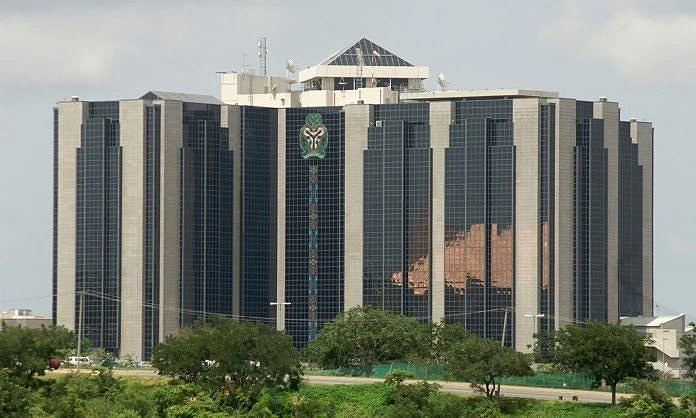
Nigeria's banking system liquidity experienced a significant decline of N3.86 trillion on Thursday, following the Central Bank of Nigeria's fresh open market operation. This move tightened cash conditions across the financial system, with system liquidity falling by 65.53 percent to N2.03 trillion from N5.89 trillion, according to market data cited by AIICO Capital Limited. The sharp decline was a result of the Central Bank's offer of N1 trillion in OMO bills, which absorbed a substantial amount of excess cash from banks.
Despite the liquidity squeeze, key interest rates remained relatively stable. The Nigerian Overnight Financing Rate stayed unchanged at 22.00 percent, while the policy rate was also maintained at 22.00 percent. However, the overnight interbank lending rate increased slightly to 22.30 percent from 22.19 percent, indicating some upward pressure on the cost of short-term funds as banks adjusted to tighter liquidity conditions. This stability in interest rates suggests that the money market has adjusted to the new liquidity conditions.
The decline in liquidity has raised concerns about the potential impact on short-term borrowing costs. According to AIICO Capital, the liquidity position could come under further pressure in the near term. However, a N57.42 billion coupon payment expected to enter the financial system may provide some relief. The investment firm noted that short-term borrowing costs are likely to stay close to the central bank's 22.00 percent target, but there is a risk that rates could drift higher given the reduced cash buffer.
The direction of money market rates will depend largely on the size of the next OMO auction and the amount of liquidity returned to banks through government payments and other system inflows. AIICO Capital emphasized that the movement in money market rates showed that they had remained relatively stable despite the substantial reduction in available banking system cash. This stability is crucial for maintaining confidence in the financial system.
Treasury bill yields continued to rise in the secondary market as investors demanded higher returns. The average treasury bill rate increased to 18.81 percent from 18.77 percent, reflecting continued selling pressure and repricing across the short-term fixed-income market. This trend suggests that investors are adjusting to the new market conditions.
The latest liquidity movement highlights a significant change in banking system cash conditions compared with the beginning of the year. According to AIICO Capital, banks are now holding 46.81 percent less liquidity than they had at the start of 2026. Additionally, the overnight lending rate is 0.45 percentage points lower, and treasury bill yields are 1.81 percentage points higher. These changes indicate a shift in monetary conditions.
The combination of declining system liquidity and rising treasury bill yields suggests that monetary conditions remain restrictive. Despite the key policy and overnight financing rates being broadly anchored around 22 percent, financial analysts believe that the current market conditions reflect a tightening of monetary policy. The Central Bank's actions will continue to influence the financial system in the coming days.
Key points
- Nigeria's banking system liquidity declined by N3.86 trillion due to the Central Bank's open market operation.
- The Nigerian Overnight Financing Rate remained unchanged at 22.00 percent despite the liquidity squeeze.
- Treasury bill yields continued to rise, reflecting increased investor demand for higher returns.