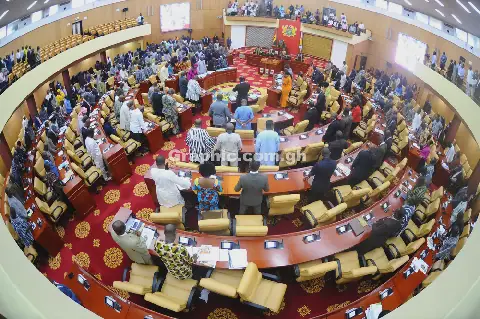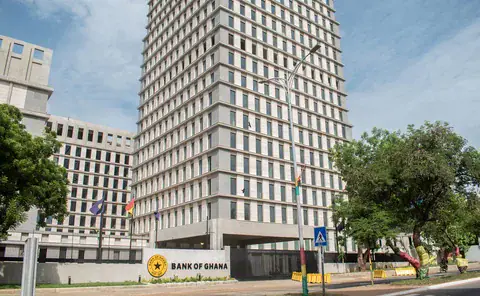
The Bank of Ghana has issued a warning that a potentially strong El Niño weather phenomenon could pose significant risks to Ghana's agricultural sector, food prices, and economic stability in 2027. According to Governor Dr. Johnson Pandit Asiama, the warning was given during the opening of the Bank's Monetary Policy Committee meeting in Accra on November 16, 2026. El Niño is a natural climate phenomenon that affects weather patterns worldwide.
El Niño occurs when parts of the Pacific Ocean become unusually warm, influencing weather patterns across different parts of the world. In Ghana, changing weather conditions could impact rainfall, agricultural production, and cocoa output, with possible consequences extending into the first quarter of 2027. The Bank of Ghana is concerned about the potential effects on the country's economy and food security.
Agriculture is a vital part of Ghana's economy and a major source of livelihood for many households. Unfavourable weather conditions could lead to lower crop yields, reduced food supply, and higher prices in local markets. This could put additional pressure on household budgets, particularly at a time when consumers are concerned about the cost of living.
Ghana is a significant cocoa-producing country, and cocoa exports contribute substantially to the country's foreign exchange earnings. A decline in cocoa production could affect export volumes and reduce the amount of foreign currency entering the economy. This could introduce additional pressure on the cedi and complicate the Bank of Ghana's efforts to maintain price stability.
The warning is particularly important as Ghana works to sustain its economic recovery and manage inflationary pressures. The Bank of Ghana is taking a proactive approach to addressing potential risks to the economy. The Governor's statement highlights the need for vigilance and preparedness in the face of El Niño's potential impacts.
The Bank of Ghana's warning is also relevant to the country's efforts to achieve sustainable economic growth and development. The agricultural sector plays a crucial role in Ghana's economy, and any disruptions to food production and supply could have far-reaching consequences. The Bank will likely continue to monitor the situation closely and take necessary measures to mitigate the effects of El Niño.
The Bank of Ghana's proactive approach to addressing potential risks to the economy is commendable. By issuing this warning, the Bank is providing stakeholders with essential information to make informed decisions. The Governor's statement serves as a reminder of the importance of preparedness and vigilance in the face of climate-related risks.
Key points
- El Niño could threaten Ghana's agricultural sector, food prices, and economic stability in 2027.
Reporting sources
- Bank of Ghana warns El Niño could threaten food prices and cocoa production · Ghana Broadcasting Corporation