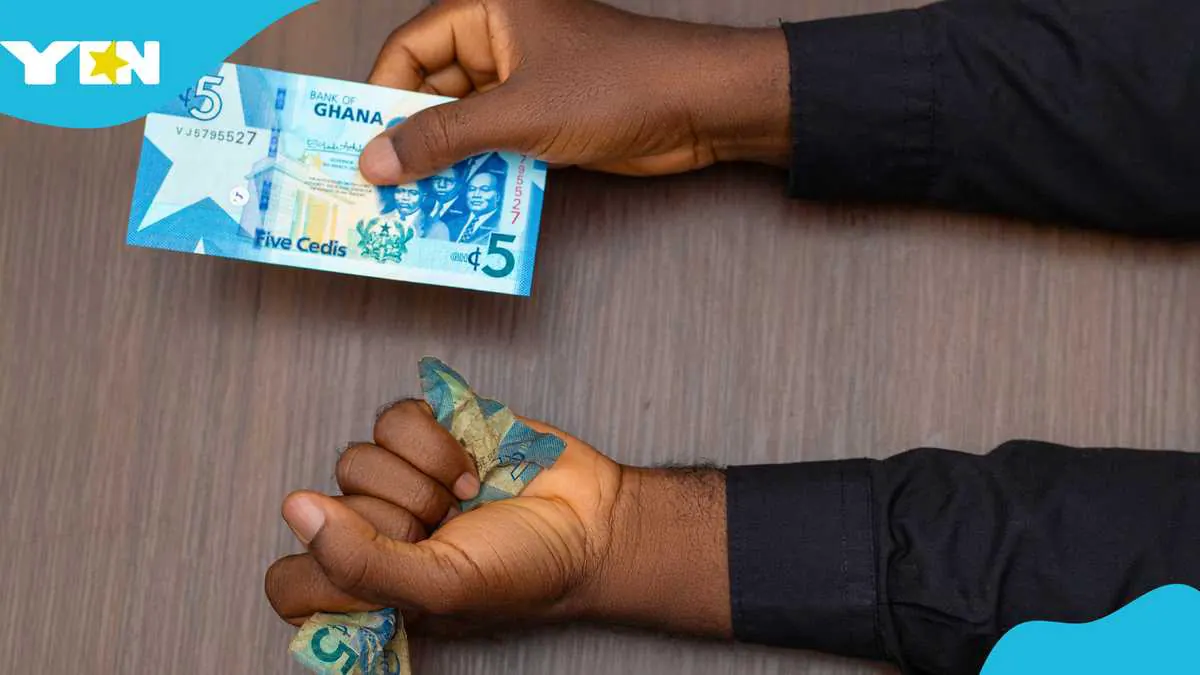
The Bank of Ghana has issued a public warning against the practice of repairing torn or soiled cedi banknotes with adhesive tape and reintroducing them into circulation. A viral video showing individuals repairing torn cedi notes with tape as a commercial activity prompted the central bank's warning. The Bank of Ghana described the Ghana Cedi as legal tender and an important national symbol that must not be altered or mutilated for recirculation.
According to the Bank of Ghana, banknotes that have been taped, glued, stapled or otherwise improperly repaired are considered unfit for circulation. Such notes pose a practical risk as they can damage ATMs and currency processing machines, and are likely to be rejected when presented for payment or exchange. The Bank warned that rejections of this kind could result in direct financial loss to members of the public who unknowingly accept repaired notes.
The Bank of Ghana holds the sole mandate for managing the country's currency and said no individual or group should engage in the repair, re-joining, or any other alteration of mutilated banknotes for the purpose of re-issuance or recirculation. The bank said such practices undermine the integrity of the currency and compromise its acceptability within the broader cash cycle.
The Bank of Ghana has outlined a clear process for dealing with torn or damaged cedi notes. Members of the public are advised to take mutilated banknotes to any commercial bank for examination and potential replacement, in line with the central bank's laid-down procedures. A key condition applies: where a mutilated banknote is submitted for examination, more than half of the original note must be present for it to be considered.
The public has also been urged to handle cedi banknotes with care to reduce the rate of damage in the first place. Additionally, the Bank of Ghana is calling on Ghanaians to report any persons found engaging in the improper repair, re-joining, or deliberate mutilation of banknotes to the Bank of Ghana directly or to the appropriate law enforcement authorities.
The warning comes after Ghana's cedi has established itself as one of Africa's top-performing currencies in 2026, buoyed by a rise in foreign currency inflows and renewed confidence in the country's financial markets. The cedi's gains place Ghana among a select group of African nations whose currencies have held firm or appreciated against the US dollar this year.
The Bank of Ghana's efforts aim to maintain the integrity of the cedi and ensure its stability in the foreign exchange market. The central bank's warning and guidelines for handling damaged notes are part of its broader efforts to promote a stable and reliable financial system in Ghana.
Key points
- The Bank of Ghana warns against repairing torn cedi notes with tape, citing risks of damage to ATMs and currency processing machines.
- Ghanaians with damaged notes are advised to exchange them at commercial banks, with a condition that more than half of the original note must be present.
- The Bank of Ghana urges the public to handle cedi banknotes with care and report any instances of improper repair or mutilation of banknotes.