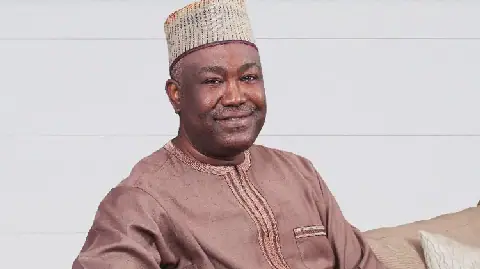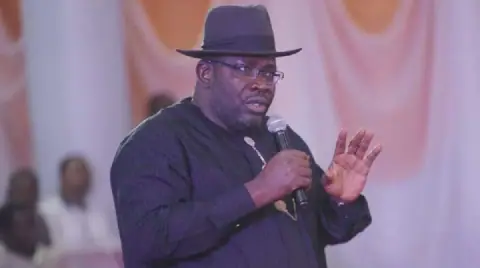
Dr. Johnson Asiama, Governor of the Bank of Ghana, has disclosed that he resigned from the board of the Ghana Gold Board (GoldBod) about five months ago. This revelation comes after the New Patriotic Party (NPP) raised concerns about a potential conflict of interest, given the central bank's ties to Ghana's gold-buying agency. Asiama's resignation was not driven by the controversy but by a legal interpretation of the Ghana Gold Board Act, 2025 (Act 1140).
The NPP's concerns were raised by former Finance Minister and Karaga MP, Dr. Mohammed Amin Adam, at a press briefing on 1 September 2026. Dr. Adam questioned whether Asiama's presence on GoldBod's board, alongside his role as Bank of Ghana Governor, created a conflict of interest. The central bank's involvement in financing GoldBod's domestic gold-purchasing programme and reported losses tied to that scheme added to the concerns.
According to Dr. Asiama, Act 1140 allows the Bank of Ghana to be represented on the GoldBod board either by the Governor or another BoG official of at least director rank. This means his personal attendance was never a statutory obligation. Asiama maintained that having stepped back roughly five months earlier, he no longer participates in the board's proceedings.
The episode highlights how Ghana manages one of its most important sources of foreign exchange. GoldBod, established to centralise the buying and export of small-scale mined gold, has become a major earner for the country. Gold exports alone generated $1.315 billion in August, according to previous reports.
The NPP's press briefing and Asiama's public clarification have brought attention to the governance and financial oversight concerns surrounding the Bank of Ghana and GoldBod. Questions over the central bank's entanglement with GoldBod's operations, including its financing role, add another layer of scrutiny to an institution already under the microscope.
Beyond confirming his resignation and offering the legal basis for it, Asiama has not detailed exactly when he tendered his resignation in writing, who replaced the Bank of Ghana's representative on the GoldBod board, or whether the central bank's financing arrangements with GoldBod will be reviewed in light of the NPP's concerns.
The dispute underscores continuing questions about transparency at GoldBod, the state body responsible for buying gold from small-scale miners and channelling export proceeds into the country's foreign reserves. For ordinary Ghanaians, the controversy highlights the need for clarity on the management of the country's gold resources and foreign reserves.
Key points
- Dr. Johnson Asiama resigned from the GoldBod board five months ago, citing a legal interpretation of the Ghana Gold Board Act.
- The NPP raised concerns about a potential conflict of interest, given the central bank's ties to Ghana's gold-buying agency.
- Gold exports generated $1.315 billion in August, highlighting the importance of gold to Ghana's foreign exchange earnings.