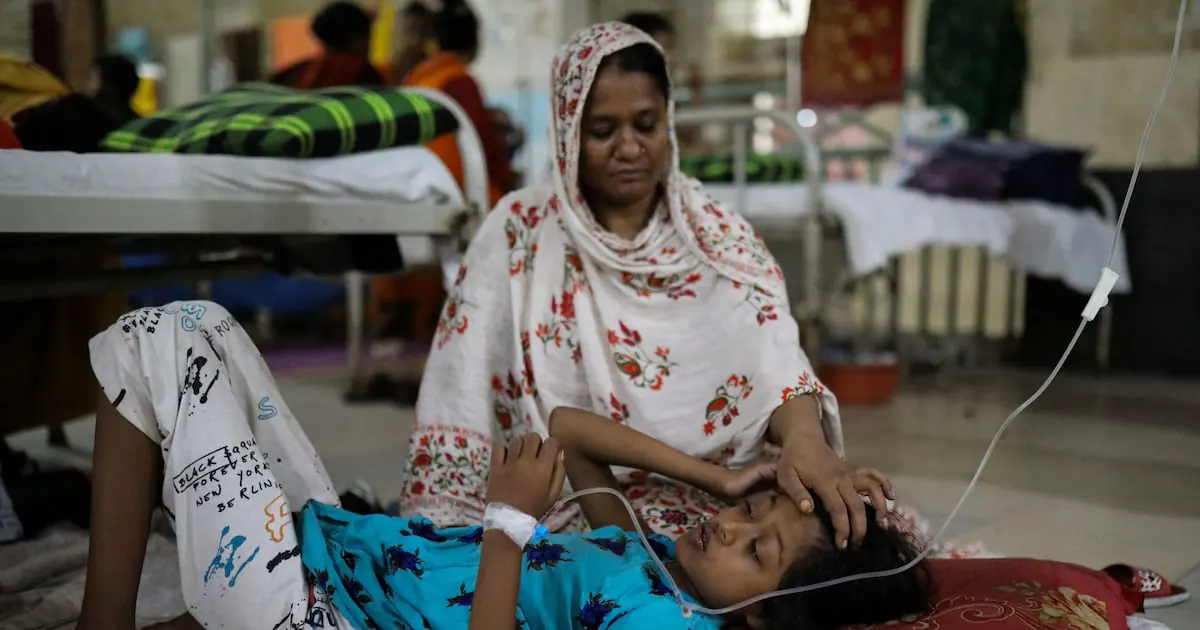
Bangladesh has initiated a nationwide measles-rubella vaccination campaign, aiming to immunize 3.4-million unvaccinated and missed children. The month-long effort targets children aged six months to 59 months who were not previously vaccinated. This move comes as the country faces its worst-ever measles outbreak, with over 1,000 reported deaths and tens of thousands infected. The campaign seeks to address gaps in childhood immunisation and alleviate pressure on health services.
The measles outbreak in Bangladesh has exposed significant gaps in childhood immunisation, with the country's health services already overwhelmed by a seasonal surge in dengue infections. According to the US Centers for Disease Control and Prevention, Bangladesh is currently experiencing the world's largest measles outbreak. The health ministry reports 1,087 confirmed and suspected measles-related deaths, including 101 laboratory-confirmed fatalities. Nearly 187,000 suspected cases and 21,099 confirmed infections have been reported since March 15.
Health experts attribute the crisis to disruptions in routine immunisation programmes in 2024 and 2025, caused by political turmoil, changes to vaccine procurement, and postponed or cancelled vaccination campaigns. These disruptions left many children unprotected, particularly infants under nine months who are too young to receive routine measles immunisation. As a result, transmission has spread across age groups, fuelling the outbreak.
Since April, Bangladesh has vaccinated nearly 20-million children through emergency and follow-up campaigns. However, experts warn that significant immunity gaps remain, with many eligible children still unvaccinated or missed during previous drives. Reaching every eligible child in the latest campaign will be critical to slowing transmission and preventing future outbreaks of the highly contagious disease.
The vaccination campaign aims to close immunity gaps, reduce severe illness and deaths, and break chains of transmission across Bangladesh. Authorities have adjusted their strategy, lowering the minimum vaccination age from nine months to six months due to the outbreak. This change allows more children to receive protection against measles and rubella.
The outbreak has put immense pressure on Bangladesh's health services, with over 165,000 people hospitalised due to measles-related complications. The country is working to contain the outbreak and prevent further spread of the disease. The vaccination campaign is a crucial step towards achieving this goal, and health experts are urging authorities to ensure that all eligible children are reached.
The Bangladesh government is working to address the ongoing measles outbreak and prevent future occurrences. The vaccination campaign is part of a broader effort to strengthen the country's immunisation programmes and improve overall healthcare. By targeting 3.4-million children, the campaign aims to make significant progress in controlling the outbreak and protecting the country's most vulnerable populations.
Key points
- Bangladesh targets 3.4-million children in nationwide measles-rubella vaccination campaign
- The country's worst-ever measles outbreak has killed over 1,000 people and infected tens of thousands
- Authorities have vaccinated nearly 20-million children since April, but significant immunity gaps remain