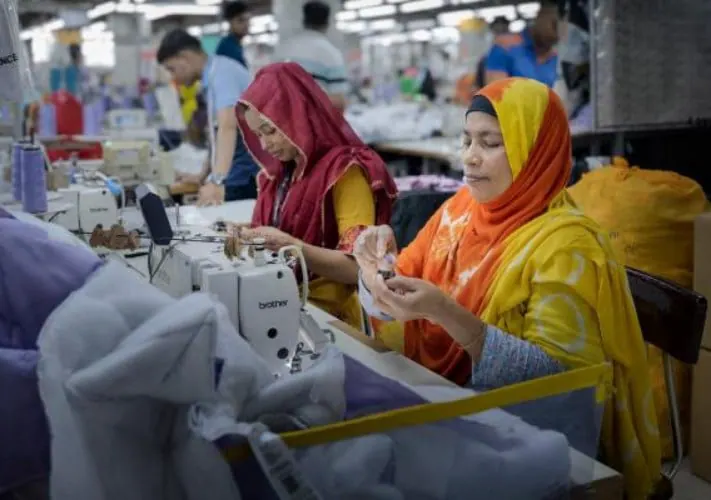
The garment industry in Bangladesh is facing significant challenges due to the escalating energy crisis triggered by tensions in the Middle East. The shortage of gas and electricity has led to a decline in production, resulting in the cancellation or reduction of buyer orders. A recent survey of 134 garment factories revealed that 55% have experienced order cancellations or reductions since late August, while 78% have been forced to halt production partially.
The energy crisis in Bangladesh has worsened due to the impact of Middle East turmoil on global oil prices and shipping costs. The country heavily relies on natural gas, fuel oil, and diesel for electricity generation. In response, the Bangladeshi government has increased fuel prices by up to 17.4%, citing the need to cope with rising global prices and shipping costs resulting from the Middle East conflict.
The garment sector is a vital component of Bangladesh's economy, accounting for over 80% of the country's export earnings and employing approximately 4 million workers. The industry contributes around 10% to the nation's GDP, making energy disruptions a direct threat to industrial activity and exports. The crisis has already led to increased production costs for some factories, while others have resorted to using air freight or offering discounts to meet delivery deadlines.
Bangladesh faces stiff competition from Asian rivals such as India and Vietnam, with manufacturers expressing concerns that prolonged energy shortages and power outages may erode their position in global supply chains if the Middle East-related energy crisis persists. The situation has created uncertainty and anxiety among factory owners, workers, and buyers alike.
The survey of garment factories also revealed that many have experienced shipping delays and are offering discounts to buyers. The industry's struggles are likely to have far-reaching consequences for Bangladesh's economy, which relies heavily on the garment sector for foreign exchange earnings.
The Bangladeshi government has taken steps to address the energy crisis, including increasing fuel prices and exploring alternative energy sources. However, the industry's recovery is likely to be slow, and manufacturers may need to adapt to the new reality of rising energy costs and supply chain disruptions.
The impact of the energy crisis on Bangladesh's garment industry serves as a reminder of the country's vulnerability to external shocks. As the industry navigates the challenges posed by the Middle East tensions, it must also contend with increasing competition from other Asian garment-producing nations.
Key points
- Bangladesh's garment sector, which accounts for over 80% of the country's exports, is struggling with energy shortages and rising costs due to Middle East tensions.