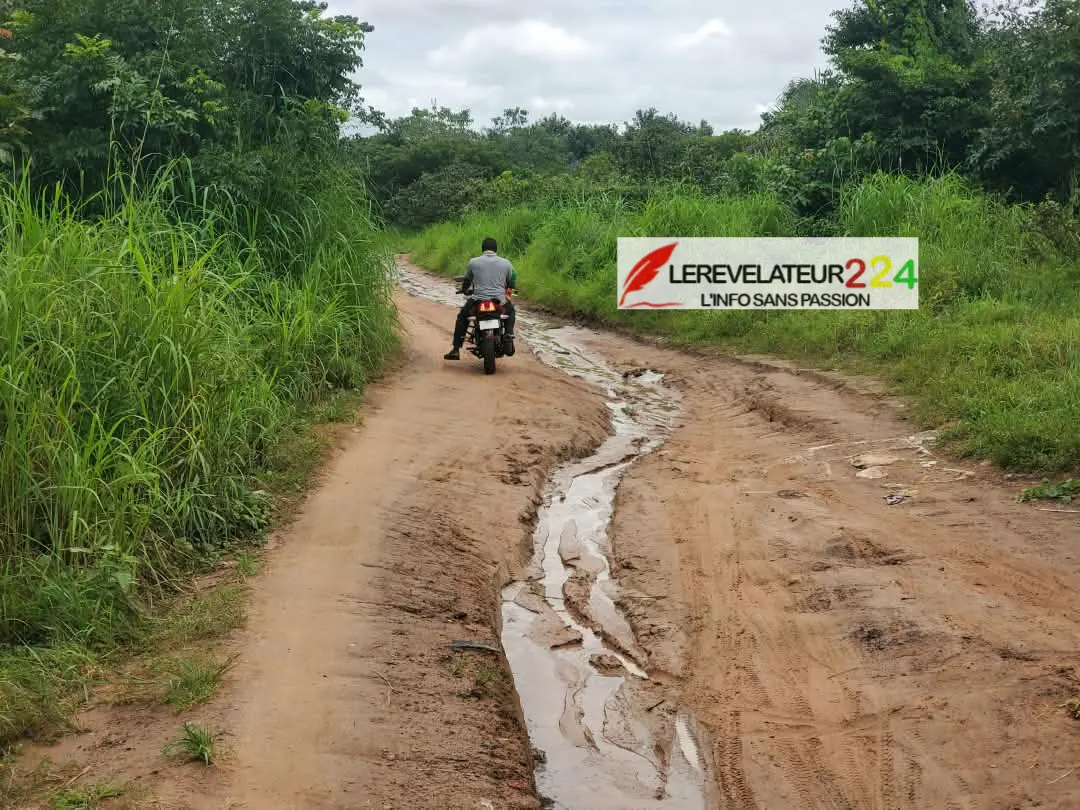
Bamban 2, a newly established neighborhood in the urban commune of Kindia, Guinea, is struggling to develop its full potential as a major agricultural producer due to a lack of basic infrastructure. The area is home to a large number of farmers, but the poor condition of the roads makes it difficult to transport their products to the city center and beyond. As a result, residents and local leaders are calling on the authorities to take action to improve living conditions and alleviate the area's isolation.
The challenges facing Bamban 2 are multifaceted. The neighborhood lacks a reliable source of clean water, with residents having to travel 5 to 7 kilometers to access potable water. Additionally, the area has only three classrooms, and students are forced to travel long distances to attend secondary school. Fodé Seydou Camara, president of the Bamban 2 neighborhood, highlighted these issues, emphasizing the need for improved road infrastructure, electricity, and access to clean water.
Local leaders, including Salifou Camara, a respected elder in the community, are urging the authorities to take urgent action to address the area's infrastructure challenges. Camara emphasized the need for a new bridge and road improvements to connect Bamban 2 to the rest of the city, particularly the Simidé sector. The construction of a new bridge would not only improve access but also facilitate the transportation of goods and services.
The poor condition of the roads in Bamban 2 has significant economic implications, as the area is a major producer of agricultural products, including vegetables that are sold in markets across Conakry. Aboubacar Sylla, president of the neighborhood's youth association, noted that residents have been forced to take matters into their own hands, mobilizing to clear and rehabilitate the roads before and after heavy rainfall.
Despite the challenges, Bamban 2 has significant potential for growth and development. The area's fertile soil and favorable climate make it an ideal location for farming, and local leaders are optimistic that with the right investment, the neighborhood can become a major contributor to Guinea's agricultural sector. However, without urgent action from the authorities, the area's infrastructure challenges are likely to persist.
The situation in Bamban 2 highlights the need for greater investment in rural infrastructure across Guinea. The country's agricultural sector has the potential to drive economic growth and development, but without adequate infrastructure, many rural areas will struggle to realize their full potential. Local leaders are calling on the government to prioritize the development of rural areas, including Bamban 2.
The authorities have yet to respond to the calls for assistance from the residents of Bamban 2. However, with continued advocacy and awareness-raising efforts, there is hope that the area will receive the support it needs to overcome its infrastructure challenges and realize its potential as a major agricultural hub. The situation in Bamban 2 serves as a reminder of the need for sustained investment in rural infrastructure to drive economic growth and improve living standards.
Key points
- The lack of basic infrastructure, including roads, clean water, and educational facilities, is hindering the development of Bamban 2, a major agricultural producer in Guinea.
- Local leaders are calling on the authorities to take urgent action to address the area's infrastructure challenges and alleviate its isolation.
- The situation in Bamban 2 highlights the need for greater investment in rural infrastructure across Guinea to drive economic growth and development.