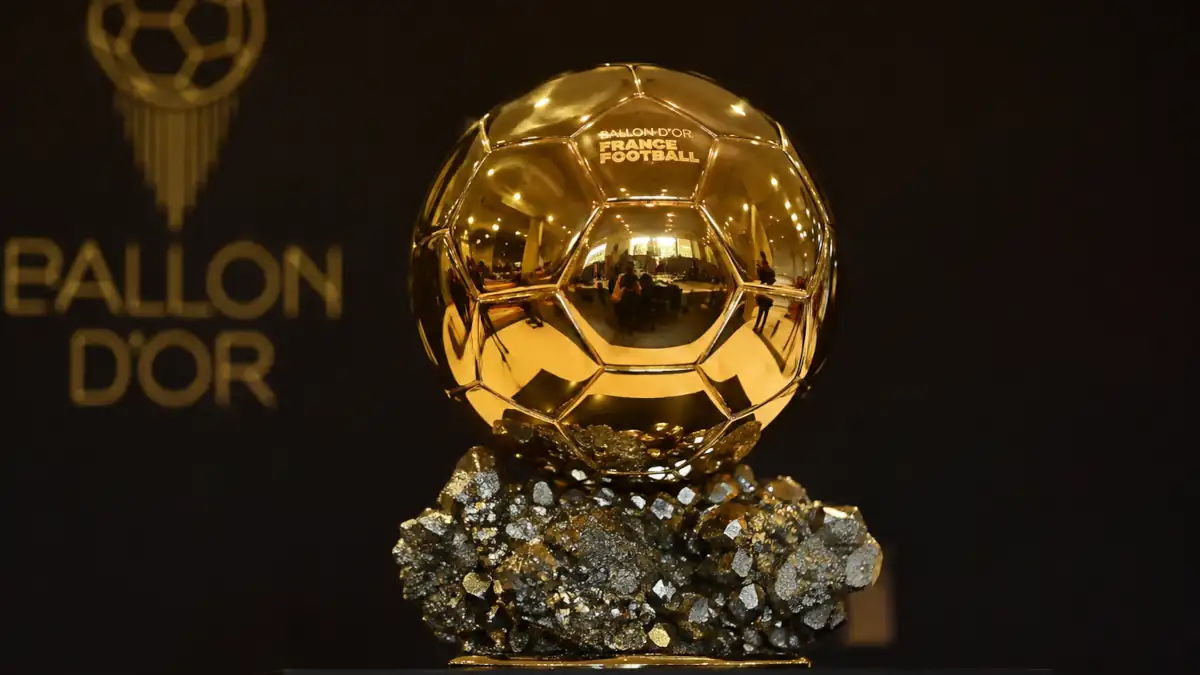
The Ballon d’Or 2026 is set to be awarded in a month, with Kylian Mbappé and Lamine Yamal actively campaigning for the prestigious honor. However, jurors evaluating the candidates must consider not only their performance and team achievements but also their class and fair play. According to the regulations published by the Ballon d’Or organization, there are three key elements that jurors will use to assess the candidates: performance, team achievements, and class and fair play.
The performance of the player and their ability to influence matches are the primary considerations for the jurors. The results obtained with their teams and the trophies won come second. The class and fair play of the players constitute the third element of evaluation. This criterion leaves room for interpretation for the jurors, as there is no clear definition of what constitutes a breach of fair play.
Mbappé and Yamal have both publicly defended their chances of winning the Ballon d’Or. In an interview with France Football, Mbappé stated that he was the best player last season. He based his claim on his individual performances. Yamal, on the other hand, has emphasized his titles and placed himself alongside Mbappé as one of the dominant players in the current football landscape.
The regulations do not specify that a player’s public campaign or ambitious statements necessarily constitute a breach of fair play. Therefore, it is unlikely that Mbappé’s or Yamal’s statements will negatively impact their chances of winning the award. However, each journalist will evaluate these factors differently when considering all the criteria.
The voting process for the Ballon d’Or involves 100 journalists from the top 100 countries in the FIFA rankings. Each journalist selects and ranks ten players from the 30 candidates, and the player with the most points overall wins the award. The points are allocated based on the ranking, with the top player receiving 15 points, the second 12 points, and so on.
According to Pascal Ferré, a former French juror, a player’s intense media campaign can sometimes be a disadvantage. However, this is not a universal view among jurors. Some journalists have stated that they are not influenced by a player’s media campaign when casting their vote.
The Ballon d’Or has undergone several changes since its inception in 1956. Initially, it was only open to European footballers, but in 1995, the rules were changed to allow players from all nationalities playing in European clubs to compete. Since 2007, players from all over the world have been eligible to receive the award.
Key points
- Jurors must evaluate players based on performance, team achievements, and class and fair play.
- The voting process involves 100 journalists from the top 100 countries in the FIFA rankings.
- A player’s media campaign may influence some jurors, but it is not a decisive factor in the voting process.