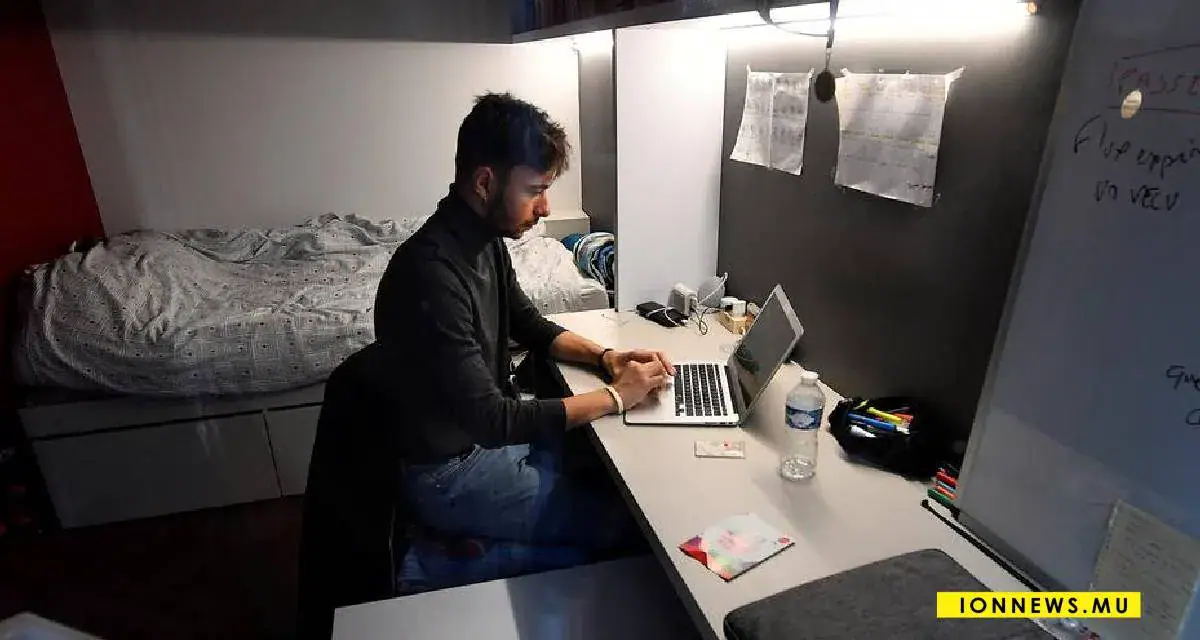
In Mauritius, urging residents to reduce their electricity consumption can be challenging. Daily life is heavily reliant on electricity for work, family obligations, and leisure activities. For students like Rakesh, electricity is crucial for studying and preparing for the future. He shares that he often studies late at night, relying on his computer and internet connection. This illustrates the reality that electricity needs do not stop at peak hours or traditional working hours.
Students today work with computers, consult online resources, attend distance learning courses, and conduct internet research. Some must study late into the night to complete assignments or prepare for exams. Limiting their electricity use can add to their stress. Similarly, families want to cook, use appliances, watch TV, and access the internet after a long day of work. With the widespread use of phones, computers, and household appliances, electricity is no longer just a comfort but also essential for communication, education, and productivity.
The Central Electricity Board (CEB) has called for energy conservation to reduce pressure on the electrical grid. However, this raises questions about how much residents can cut back without affecting essential activities. The CEB and authorities must balance the need for electricity conservation with ensuring a reliable power supply. This involves investing in renewable energy and modernizing the grid.
The reliance on electricity for daily activities makes it difficult for residents to significantly reduce their consumption. As the country continues to develop, the demand for electricity is likely to increase. Finding a balance between conservation and meeting electricity needs is crucial. The CEB's efforts to promote energy-saving practices are important, but they must be accompanied by investments in the energy sector.
To address the challenge, the CEB and authorities are exploring ways to promote energy efficiency and reduce waste. This includes initiatives to encourage the use of energy-efficient appliances and to promote renewable energy sources. By working together, residents, businesses, and the government can find solutions to manage electricity demand and ensure a reliable power supply.
The situation in Mauritius highlights the complexities of managing electricity demand in a developing country. As the country continues to grow and develop, its energy needs will evolve. The CEB and authorities must work to ensure that the electricity supply keeps pace with demand while also promoting conservation and sustainability.
Ultimately, finding a balance between electricity conservation and meeting the needs of residents is crucial for the continued development of Mauritius. By investing in renewable energy, promoting energy efficiency, and working together, the country can ensure a reliable power supply for its growing population.
Key points
- The Central Electricity Board (CEB) is calling for energy conservation to reduce pressure on the electrical grid.
- Residents, particularly students and families, rely heavily on electricity for daily activities.
- Finding a balance between conservation and meeting electricity needs is crucial for the continued development of Mauritius.