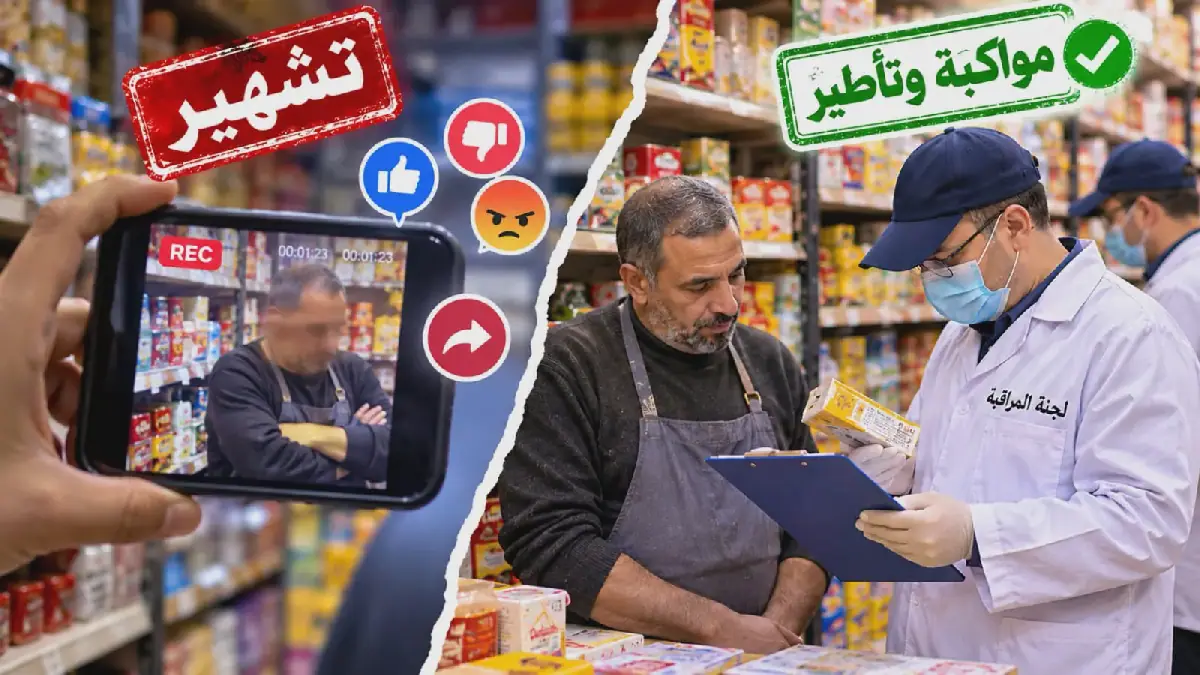
Recent videos and images of monitoring operations in Moroccan shops have sparked debate over how to manage violations, particularly regarding expired products, hygiene, storage, and health safety. While some argue that monitoring is necessary to protect consumers, others claim that publicizing shop violations damages traders' reputations. This tension raises questions about how to balance consumer protection with trader dignity.
Professional associations and trader organizations have responded to the controversy by issuing statements condemning the publicization of shop violations, arguing that it amounts to direct defamation and damages traders' reputations. However, there is no dispute over the legitimacy of monitoring or the need to address negligence that threatens public health. The challenge lies in finding solutions that address the root causes of problems, rather than just their symptoms.
One issue that contributes to violations is that traders often store expired products in their shops, awaiting return to suppliers or distributors to avoid financial losses. This practice is sometimes due to a lack of knowledge about proper procedures for handling expired products or inadequate storage space. While traders are still responsible for ensuring product safety, they require guidance and support to correct their practices.
To address these challenges, professionals propose establishing an annual program at the local level, developed in coordination with professional associations, unions, and health authorities. This program would involve regular awareness-raising visits and training sessions for shop owners, focusing on food safety, storage, and product tracking. The goal is to educate traders and provide them with the necessary tools to comply with regulations.
The proposed program would involve a phased approach, with an initial focus on identifying problems and providing guidance to traders. Subsequent visits would verify compliance with recommendations. This approach aims to balance the need for enforcement with the need for trader support and education. By providing traders with the necessary knowledge and resources, authorities can promote compliance and improve consumer protection.
The use of penalties and fines should be considered a last resort, reserved for cases where traders repeatedly ignore warnings and neglect their responsibilities. In such cases, penalties can be an effective deterrent. However, the primary focus should be on education, awareness-raising, and support, rather than simply punishing traders. This approach can help build trust and promote cooperation between traders and authorities.
Ultimately, finding a balance between consumer protection and trader dignity requires a collaborative approach that involves traders, professional associations, and authorities. By working together, stakeholders can develop effective solutions that promote public health, support traders, and foster a culture of compliance. This approach can help Morocco's retail sector thrive while ensuring the well-being of consumers.
Key points
- Establishing an annual program for trader education and support can help address the root causes of violations and promote compliance.