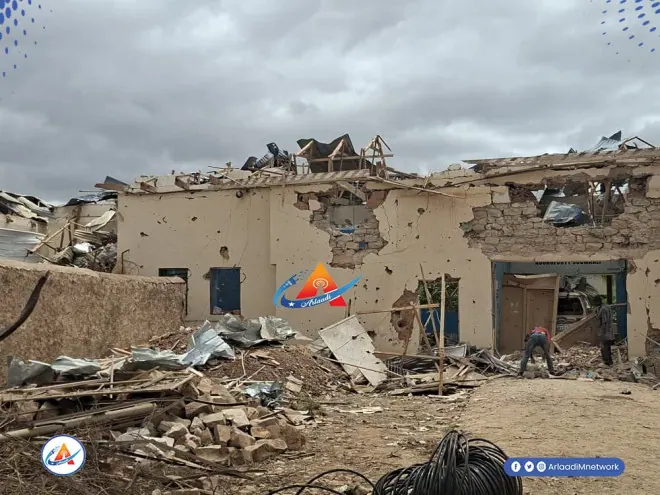
Recent fighting in Baidoa, Somalia, has resulted in children being killed and injured, while a health facility has been damaged, prompting concern from UNICEF. The agency's representative in Somalia, Sandra Lattouf, expressed alarm over the impact of the clashes on children and urged all parties to protect civilians, schools, health facilities, and humanitarian access. Insecurity is putting children's lives at risk and limiting access to essential services.
According to UNICEF, children are bearing the heaviest burden of violence in Baidoa, with many families facing displacement, food insecurity, and high levels of child malnutrition. The agency did not provide casualty figures or details on the circumstances in which children were killed or injured. Lattouf emphasized that every child has the right to be safe, protected from violence, and able to access necessary services.
Médecins Sans Frontières (MSF) reported that at least 69 people, including five children, had been treated at Bay Regional Hospital after renewed fighting in Baidoa, with three deaths recorded. This recent violence follows two previous rounds of clashes in Baidoa over the past six weeks. On August 17, Bay Regional Hospital received 94 wounded people, including 29 women and 20 children, with four deaths recorded.
Another wave of fighting began on September 3, when the hospital received 71 wounded people, including 15 women and 12 children, with one death recorded. UNICEF called on all sides involved in the fighting to protect children from harm, safeguard schools and health facilities, and allow humanitarian organizations safe and unhindered access to people in need.
The ongoing violence in Baidoa is disrupting access to essential services, including healthcare and education. UNICEF and other humanitarian organizations are working to provide assistance to those affected by the conflict. However, the security situation remains a major challenge, with many areas inaccessible due to fighting.
The impact of the conflict on children in Baidoa is a major concern, with many facing a high risk of injury or death. UNICEF and other agencies are urging parties to the conflict to take steps to protect civilians, particularly children, and to allow humanitarian access. The situation in Baidoa remains volatile, with further clashes possible.
The humanitarian situation in Baidoa is likely to deteriorate further if the violence continues. UNICEF and other agencies are working to provide emergency assistance, but the security situation is a major challenge. All parties to the conflict must take steps to protect civilians and allow humanitarian access.
Key points
- Children are bearing the heaviest burden of violence in Baidoa.
- A health facility has been damaged in the fighting.
- UNICEF is urging parties to the conflict to protect civilians, particularly children.