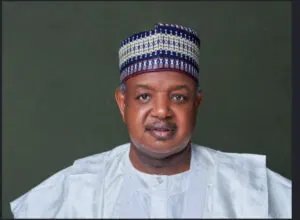
Nigeria's Minister of Budget and Economic Planning, Senator Abubakar Atiku Bagudu, has called on the media to play a more active role in scrutinizing the country's budget. He made the call at the Senate Press Corps Capacity-Building Workshop in Abuja, where he emphasized the need for evidence-based reporting. According to Bagudu, journalists should investigate budget provisions, promote accountability, and facilitate informed public debate. This, he believes, will help the public understand the government's fiscal choices and development priorities.
Bagudu stressed that effective scrutiny of the national budget should go beyond identifying controversial provisions. Instead, it should examine the constitutional process, the rationale behind budgetary decisions, and the development needs such provisions aim to address. He noted that Nigeria's budget conversation must begin with a fundamental question: "What is the national budget, and what should it be?" This, he believes, will help broaden the national conversation on resource mobilization and public investment required to achieve the country's development aspirations.
The Minister linked the issue to President Bola Ahmed Tinubu's Renewed Hope Agenda and the administration's ambition to build a more prosperous and inclusive economy. He noted that Agenda 2050 provides a broader framework for the country's long-term development decisions. According to Bagudu, the ambition to build a $1 trillion economy requires Nigerians to confront difficult questions about how the country can mobilize resources and finance development.
Bagudu also underscored the constitutional role of the National Assembly in the budget process. He noted that the legislature has ultimate authority over the national budget within Nigeria's constitutional democracy. The Minister called for greater public understanding of the relationship between the Executive and legislature in shaping the budget. He urged journalists to strengthen scrutiny through evidence-based reporting, which will help promote accountability and transparency.
On alleged budget insertions, Bagudu cautioned against assuming that every unfamiliar provision is necessarily irregular. Instead, he urged journalists to investigate the origin, purpose, and beneficiaries of specific allocations. He cited examples of provisions that might appear questionable when viewed outside their local context but could address genuine needs in particular communities.
The Minister's call for closer monitoring of allocations, implementation, and public spending was echoed by other stakeholders, including Adaramodu, CISLAC, and BudgIT. They emphasized the need for collaborative efforts to safeguard the national budget from unlawful insertions. According to them, this can be achieved through leveraging legislative oversight and media collaboration.
The Senate Press Corps Capacity-Building Workshop was organized under the theme, "Leveraging Legislative Oversight and Media Collaboration to Safeguard the National Budget from Unlawful Insertion." The workshop aimed to equip journalists with the skills and knowledge needed to effectively scrutinize the national budget and promote accountability. Key points from the workshop include:
Key points
- The media should intensify scrutiny of Nigeria's budget for accountability and transparency.
- Journalists should investigate budget provisions, promote accountability, and facilitate informed public debate.
- Effective scrutiny of the national budget should examine the constitutional process, the rationale behind budgetary decisions, and development needs.