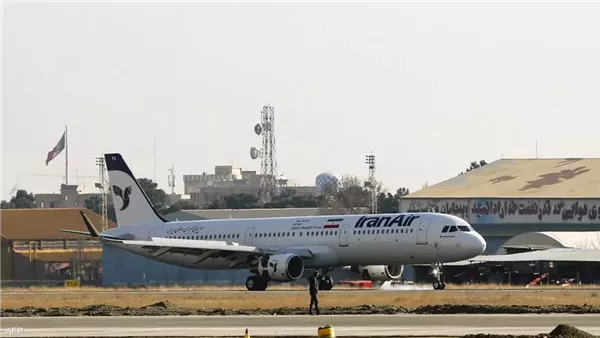
Azerbaijan's national airline, Azal, announced on September 22, 2026, that it would be suspending flights operated by Iranian airlines. The decision was made in response to new US sanctions targeting Iran's aviation sector. According to Azal, the suspension took effect immediately, impacting all Iranian carriers. The move is seen as a strategic step to avoid potential repercussions from the United States.
The US Treasury Department, under Secretary Scott Bissett, has been actively enforcing sanctions against Iran. On September 20, 2026, Bissett stated that any entity providing services to Iranian aircraft, including refueling, landing, or ticket sales, would risk exclusion from the dollar-based financial system. This stern warning was made during an interview with CNBC, emphasizing the US government's resolve to enforce sanctions strictly.
The new US sanctions specifically target Iran's aviation industry, which has been a critical sector for the country's connectivity and economy. By suspending Iranian flights, Azerbaijan aims to shield its aviation sector and financial systems from potential US penalties. This decision reflects the delicate balance countries like Azerbaijan must maintain when dealing with neighboring nations under international sanctions.
Iranian airlines have been facing increasing operational challenges due to international sanctions. These sanctions have limited their ability to access global airspaces, acquire new aircraft, and secure essential aviation services. The suspension of flights to Azerbaijan further compounds these challenges, affecting travel and trade between the two nations.
The decision by Azal to suspend Iranian flights underscores the broader implications of US sanctions on global aviation. It highlights how secondary sanctions can influence the operations of international airlines and impact the travel and logistics sectors. Companies worldwide are becoming increasingly cautious to avoid being entangled in the complexities of international sanctions.
The aviation sector is particularly sensitive to geopolitical tensions and sanctions due to its global nature. The suspension of Iranian flights by Azal serves as a recent example of how national carriers navigate these complexities. It also reflects the need for airlines to comply with international regulations to maintain access to critical markets and services.
As the situation develops, airlines and aviation service providers will likely continue to adjust their operations in response to evolving sanctions and regulatory requirements. The impact of these changes will be closely monitored by industry stakeholders and governments, who are keenly aware of the implications for global travel and trade.
Key points
- Azerbaijan's national airline Azal has suspended flights operated by Iranian airlines from September 22, 2026, due to new US sanctions on Iran's aviation sector.
- The US has warned of secondary sanctions for entities providing services to Iranian aircraft.
- The sanctions have significant implications for Iran's aviation industry and its connectivity with the rest of the world.