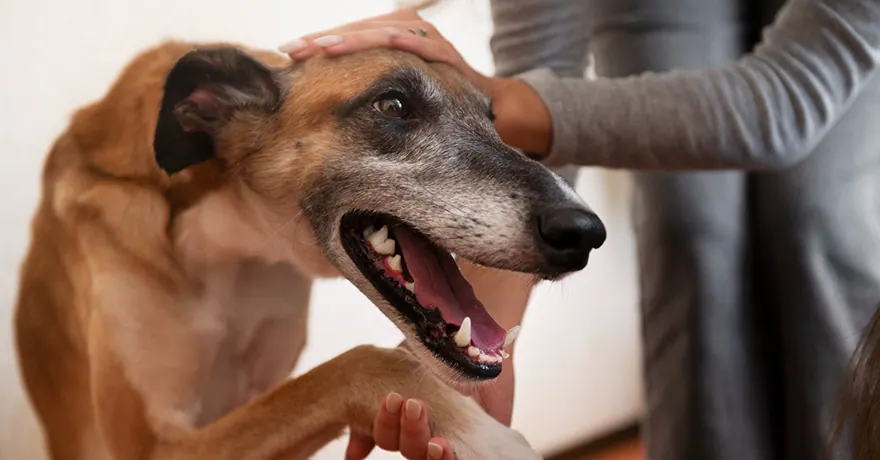
Autoimmune diseases in animals are a serious health concern, occurring when the immune system fails to recognize and protect the body's own cells. According to Dr. Jowad Timol, a veterinarian at Clinique Vétérinaire Mauritius 24/7, these diseases can affect various organs and manifest in different forms. The immune system, designed to protect against viruses, bacteria, and foreign agents, becomes misguided and attacks the animal's own cells, leading to symptoms that can be severe and debilitating.
The causes of autoimmune diseases in animals are multifaceted, involving genetic predisposition, viral or bacterial infections, and environmental factors such as stress and exposure to toxins. Dr. Timol explains that certain breeds are more prone to specific diseases, and that the tropical climate can contribute to secondary infections that complicate autoimmune conditions. Lymphocytes T and antibodies can mistakenly recognize normal proteins as foreign, leading to inflammation and tissue damage.
Autoimmune diseases can affect both dogs and cats, with certain conditions more prevalent in one species or the other. The age of onset varies, but young animals between 2 and 7 years old are most commonly affected. Dr. Timol notes that the tropical climate in Mauritius can contribute to the development of these diseases. Certain breeds, such as the lupus-prone breeds, are more susceptible to autoimmune conditions.
Several autoimmune diseases can affect animals, including lupus, anemia, thyroiditis, diabetes, and dermatitis. These conditions can impact various parts of the body, such as the skin, blood, joints, and organs. For instance, lupus erythematosus can affect multiple organs, while pemphigus primarily affects the skin, causing lesions and hair loss. Anemia, on the other hand, leads to the destruction of red blood cells.
The symptoms of autoimmune diseases in animals vary depending on the condition and the affected organs. Skin lesions, hair loss, and inflammation are common signs, as are fatigue, pale mucous membranes, and bleeding disorders. Neurological symptoms, such as muscle weakness and paralysis, can also occur. Dr. Timol emphasizes that these symptoms can be similar to those of other diseases, making a veterinary consultation essential for accurate diagnosis.
Diagnosing autoimmune diseases in animals requires a comprehensive approach, involving clinical examination, laboratory tests, and biopsies. At Clinique Vétérinaire Mauritius 24/7, specialized tests such as immunofluorescence and hormonal dosages are available to confirm diagnoses. Treatment options include corticosteroids, immunosuppressants, and supportive care, such as adapted nutrition and infection control.
The severity and prognosis of autoimmune diseases in animals depend on the type of condition, the affected organ, and the promptness of treatment. Dr. Timol stresses that early detection and intervention are crucial to preventing long-term damage and improving outcomes. With proper care and management, animals with autoimmune diseases can lead active and fulfilling lives.
Key points
- Autoimmune diseases in animals occur when the immune system mistakenly attacks healthy cells, causing various symptoms and damage to organs and tissues.
- The causes of autoimmune diseases in animals are multifaceted, involving genetic predisposition, viral or bacterial infections, and environmental factors.
- Diagnosing autoimmune diseases in animals requires a comprehensive approach, involving clinical examination, laboratory tests, and biopsies.