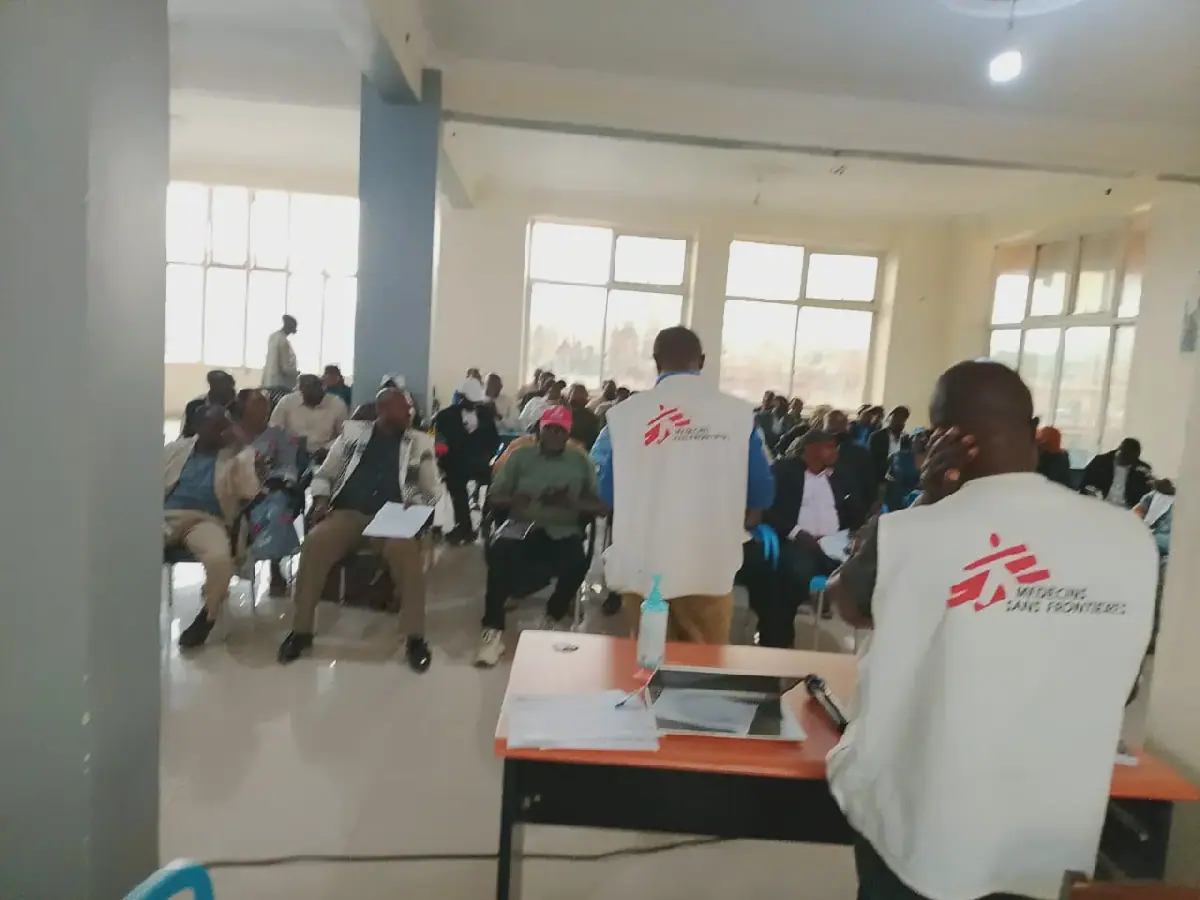
Local authorities from 28 districts in Butembo, North Kivu, Democratic Republic of Congo, have undergone training on preventive measures against Ebola and combating youth resistance. The training, organized by Médecins sans Frontières (MSF), aimed to equip leaders with necessary tools to educate residents on the risks of Ebola and encourage cooperation in curbing the outbreak. According to Jean de Dieu Paluku Kavusa, deputy head of the Kyaghala district, the training was a significant step towards addressing the epidemic.
The training comes as the Ebola outbreak continues to affect the region, with the Katwa health zone reporting 714 confirmed cases, 495 deaths, and 157 recoveries as of November 5. The Butembo health zone has recorded 377 confirmed cases, 107 deaths, and 42 recoveries. Local leaders were urged to sensitize their communities to the risks of Ebola and promote adherence to preventive measures. By doing so, residents can help break the chain of transmission and mitigate the spread of the disease.
According to Jean de Dieu Paluku Kavusa, his district, Kyaghala, was previously considered a hotspot for Ebola resistance. However, thanks to sustained awareness efforts, the district is no longer classified as high-risk, and Ebola cases have significantly decreased. The local leader attributed this success to targeted sensitization campaigns, particularly among young people, who were initially resistant to adopting preventive measures.
The MSF-organized training encouraged local leaders to engage with their communities, dispel misconceptions about Ebola, and promote a culture of prevention. By empowering local authorities with accurate information and effective communication strategies, the initiative aims to enhance community ownership of the Ebola response efforts. This approach is seen as crucial in reducing resistance and fostering cooperation among residents.
The Congolese press agency, ACP, reported that the training was well-received by local leaders, who acknowledged the importance of collaboration in addressing the Ebola outbreak. By working together, local authorities, health workers, and community members can help bring the epidemic under control. The training is part of a broader effort to strengthen community-based initiatives and promote a more effective response to the Ebola crisis.
As the Ebola outbreak continues to affect the region, local leaders are playing a critical role in promoting awareness and prevention. By sharing their experiences and insights, they can help identify effective strategies for engaging communities and promoting cooperation. The training in Butembo serves as a model for similar initiatives in other affected areas, highlighting the importance of community-based approaches in addressing public health crises.
The situation in Butembo and surrounding areas remains challenging, with ongoing efforts to contain the Ebola outbreak. However, the training of local leaders and the engagement of communities offer a positive note, highlighting the potential for collaborative approaches to mitigate the impact of the epidemic. As the response efforts continue, the focus will remain on promoting awareness, prevention, and community ownership to ultimately bring the outbreak under control.
Key points
- Local authorities in Butembo have been trained to combat Ebola resistance and promote awareness among their communities.
Reporting sources
- Formation des autorités sur la lutte contre la résistance épidémiologique d’Ebola à Butembo · Congolese press agency