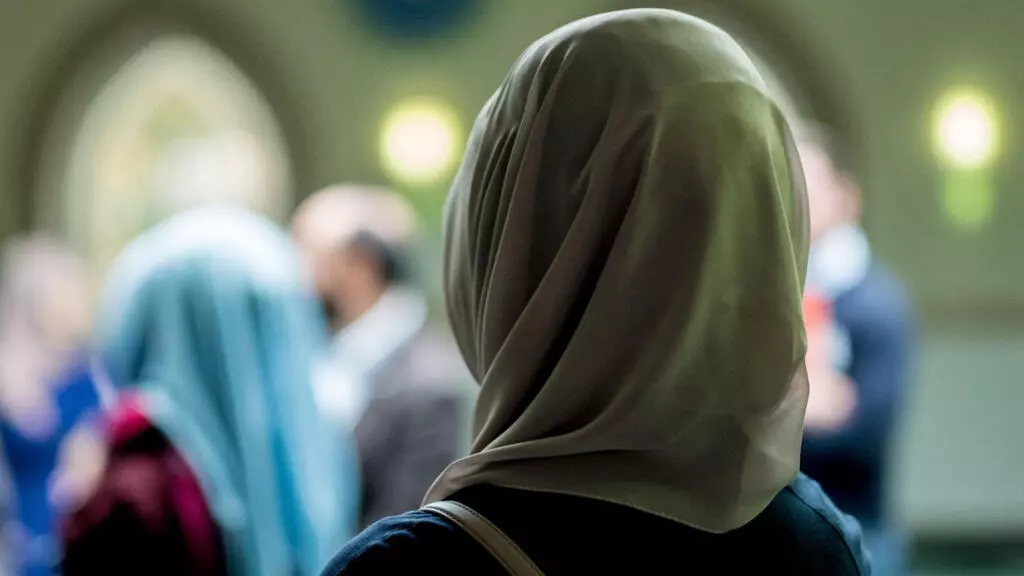
The Austrian government has begun implementing a ban on headscarves for girls under 14 in schools, as part of a new law aimed at regulating the wearing of headscarves in educational institutions. The law, which was passed late last year, has sparked debate and concern among Muslim families and communities. According to the Islamic Authority in Austria, complaints have been received from families regarding the exclusion of veiled students from certain classes or pressure to remove their headscarves.
The Islamic Authority in Austria has reported receiving continuous complaints since the law came into effect, with some cases involving not only issues with the implementation of the decision but also alleged overstepping of authority by school administrations. The authority's spokesperson, Edina Hossovitch, stated that during the first two weeks of the academic year, conflicts arose between families and schools over the application of the ban.
Hossovitch emphasized that preventing students from attending classes or excluding them from lessons due to their headscarves constitutes a violation of their right to education, as the law does not grant school administrations the authority to deny students the right to study. The controversy highlights the challenges faced by schools and families in implementing the law and ensuring that procedures comply with the legislation.
The Austrian government, led by the conservative People's Party, justified the law as a "clear commitment to gender equality." The ruling coalition, which includes the Social Democratic Party and the New Austria and Forum Austria parties, argues that the ban is necessary to promote equality between boys and girls in schools. However, critics argue that the law unfairly targets Muslim girls and restricts their freedom of expression.
The law has sparked concerns about its potential impact on Muslim students, particularly girls who choose to wear the headscarf as part of their cultural or religious identity. Some argue that the ban may lead to social exclusion, marginalization, or stigmatization of Muslim students. Others have expressed concerns about the law's compatibility with European human rights standards and Austria's obligations under international law.
The Austrian Ministry of Education has stated that it will work closely with schools and authorities to ensure the smooth implementation of the law and address any concerns or issues that may arise. However, critics argue that the law should be revisited or amended to take into account the concerns and needs of all stakeholders, including Muslim families and communities.
As the debate continues, Austria's experience with the headscarf ban may have implications for other European countries grappling with similar issues related to freedom of expression, cultural identity, and the role of religion in public life. The Austrian government faces the challenge of balancing competing interests and values while ensuring that the rights and dignity of all students are respected and protected.
Key points
- The Austrian government has implemented a ban on headscarves for girls under 14 in schools, sparking controversy and concerns about the impact on students' education and rights.