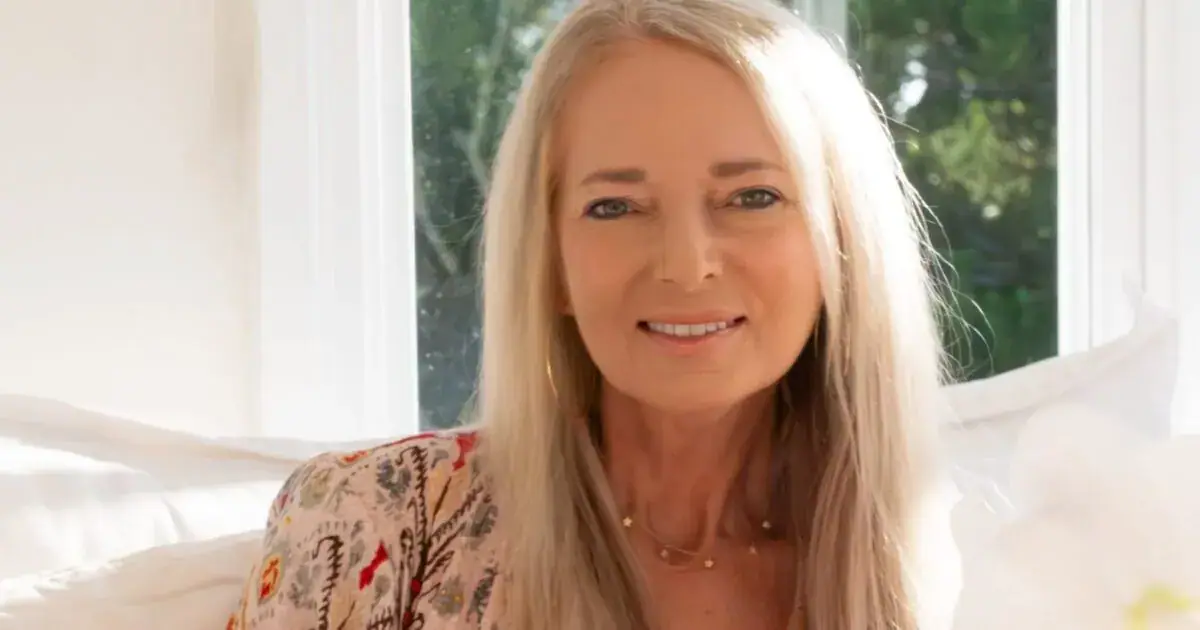
A chance encounter between a critically ill Australian journalist and a rabbi evolved into an extraordinary friendship, spiritual journey, and ultimately, a book. Nikki Goldstein, an Australian journalist, discussed her book Conversations with my Rabbi, with Niki Seberini during a webinar hosted by Chabad House Johannesburg. Goldstein's relationship with Rabbi Eli Schlanger began years earlier when she was hospitalized with chronic lung disease.
Goldstein's oxygen levels had plummeted, and doctors warned her family that she would die without being intubated. Her family didn't know her Hebrew name or her mother's Hebrew name, but Schlanger prayed for her and blew a shofar in the intensive care unit. About 24 hours later, Goldstein began recovering. When she eventually woke, she told her family that she had felt the prayers. She later met Schlanger, who was delighted that she had survived, and their conversations developed into a close friendship.
Goldstein described Schlanger as someone who didn't simply believe in G-d but was "absolutely saturated in G-d". Although she had always been curious about Judaism, she wasn't observant. Her relationship with Schlanger changed her understanding of religion. "I haven't become more observant, but I've become more religious," she said. Schlanger never pressured her to become more religious; instead, they spoke openly about faith, morality, relationships, and the challenges of being Jewish.
Towards the end of 2024, Schlanger encouraged Goldstein to write a book with him, exploring how the seven Noahide laws could speak to contemporary life. The laws prohibit idolatry, blasphemy, murder, theft, sexual immorality, and eating flesh from a living animal, and require the establishment of systems of justice. Schlanger wanted to examine people's responsibility for their use of language, particularly online, and the importance of treating animals and the natural world with care.
The writing process was interrupted by the terrorist attack at Bondi Beach, where Schlanger was one of 15 people killed during a Chanukah celebration. Goldstein and her husband had been invited to attend Chanukah by the Sea but had decided not to go. Goldstein's last conversation with Schlanger had been four days before. She later spoke to a young rabbi who had witnessed Schlanger's final moments, attempting to negotiate with the gunman and protect two wounded men.
After Schlanger's death, Goldstein returned to their recorded conversations and realized they contained enough material to complete the book. With the approval of Schlanger's widow and other family members, she approached a literary agent and secured a publishing deal within 24 hours. Schlanger's father-in-law, Rabbi Yehoram Ulman, wrote the final chapter, focusing on justice. Rabbi Zalman Shmotkin helped check the religious content.
The book's publication has evoked complicated emotions for Goldstein, who misses her friend but feels supported by the Jewish community and rabbis who have embraced the project. Schlanger had wanted the book to reach beyond the Jewish community, available in Jewish households, and for every Jew to give a copy to someone who isn't Jewish. Goldstein believes responding to hatred with more hatred will achieve little, urging people to make goodness part of their everyday choices through kindness, compassion, and treating others with respect.
Key points
- Goldstein's book aims to spread Schlanger's message of choosing goodness and light in the face of darkness.
Reporting sources
- Chance encounter becomes a legacy of Jewish wisdom · Jewish Report