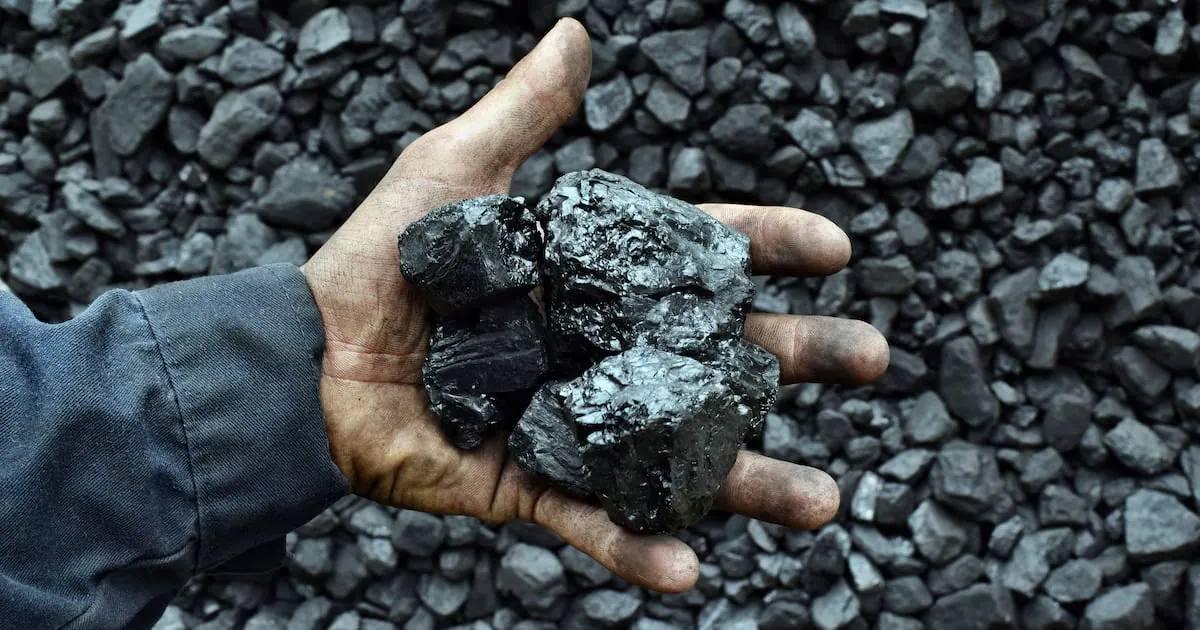
In a significant climate change case, the Australian High Court has ruled against the extension of a coal mine in New South Wales, citing the failure of local authorities to properly consider the project's climate footprint. The court dismissed an appeal by Mach Energy, which had sought to extend the life of its Mount Pleasant mine until 2048 and double its coal production. The proposed expansion would have allowed for the extraction of an additional 406 million tonnes of coal.
The High Court's decision was based on the finding that the New South Wales' independent planning commission had failed to consider rules to address Scope 3 emissions, which make up 98% of the mine's greenhouse gas emissions. These emissions are generated overseas once the coal is exported. The court's ruling stated that the commission had only considered 2% of the project's emissions, which are direct emissions from the mine. The court emphasized that the commission should have considered imposing conditions to minimize greenhouse gas emissions.
The case is significant as it sets a precedent for future fossil fuel approval decisions in Australia. The ruling has been welcomed by climate advocates, who argue that it will impact the country's ability to meet its climate targets. According to Wendy Wales, president of the community group that brought the case, "Today the High Court has said what we have always known: we cannot dig up coal, ship it overseas, watch it drive climate change, and then pretend the consequences have nothing to do with us and won’t be felt by us."
The decision has drawn criticism from some quarters, with Western Australia's Chamber of Minerals and Energy CEO Aaron Morey expressing concerns about the impact on the state's liquefied natural gas industry. Morey argued that the decision creates "fresh uncertainty" for the industry and will drive investment to countries with lower environmental and safety standards. The Minerals Council of Australia also expressed concerns, stating that the decision sends "a very negative signal to Australia’s trade and investment partners about sovereign risk in this market".
The Australian government has significant economic interests in the coal and liquefied natural gas industries. According to the latest government figures, Australia shipped 209 million metric tonnes of thermal coal for earnings of A$31 billion in 2026/27. Liquefied natural gas exports were valued at A$70 billion. The country's coal and gas industries are significant contributors to its economy, but the government faces pressure to reduce the country's carbon emissions.
The case has also drawn attention from international organizations. Astrid Puentes Riano, the UN's special rapporteur on the human right to a clean, healthy and sustainable environment, will join the case as an amicus curiae, or friend of the court. The case has implications for the global effort to reduce carbon emissions and transition to renewable energy sources.
Mach Energy has acknowledged the decision but expressed disappointment. The company will have to consider its options in light of the court's ruling. The decision is a significant setback for the coal industry, which has faced increasing opposition in recent years due to concerns about climate change. The case highlights the challenges faced by countries in balancing economic interests with environmental concerns.
Key points
- The Australian High Court's decision sets a precedent for considering climate impact in fossil fuel approval decisions.
- The ruling has significant implications for Australia's coal and liquefied natural gas industries.
- The case highlights the challenges faced by countries in balancing economic interests with environmental concerns.