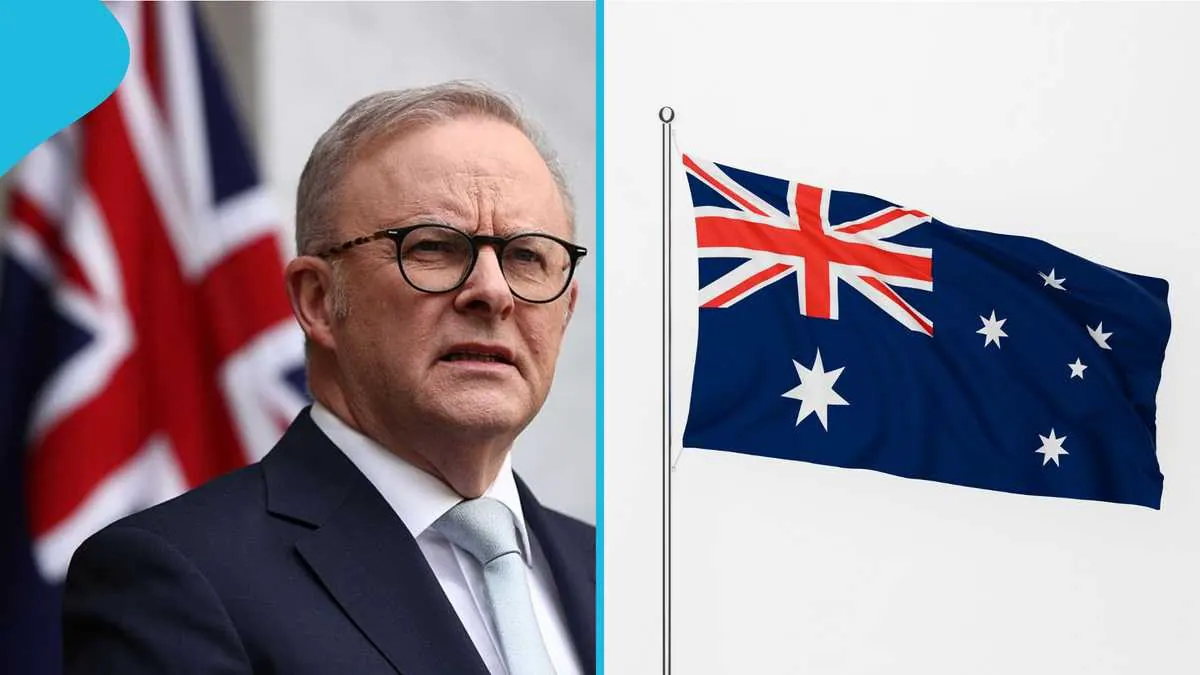
The Australian government has introduced significant changes to its temporary visa system in an effort to reduce net overseas migration to 245,000 this financial year. The new rules, which are already partially in effect, will impact students, workers, and tourists, including those from Ghana. According to reports, the government plans to further reduce the migration target to 225,000 for 2027-28. The changes aim to ensure that migration aligns with the country's labor needs and economic goals.
One of the key changes affects Working Holiday Maker visas, a popular route for young travelers, including Ghanaians, to combine work and travel in Australia. Under the new system, applicants who have completed the required regional work will have to enter a ballot to be considered for a second-year visa, with only 45,000 places available worldwide. A third-year visa will be even harder to secure, with just 5,000 places available annually. This change is expected to impact many young Ghanaians who rely on Working Holiday visas to experience life in Australia.
International students currently studying in Australia will also face new restrictions if they wish to apply for a second Student visa. Generally, they will be required to move to a higher qualification, such as progressing from a bachelor's degree to a master's program, rather than switching to a shorter or lower-level course. The government is also considering tighter restrictions on international students bringing spouses, children, or other dependents with them. These changes may require Ghanaian students to plan their academic paths more carefully.
The Australian government is also expanding the list of sectors given priority in visa processing to include resources, agriculture, aquaculture, and fishing, in addition to existing priority areas such as healthcare and construction. The points test for independent skilled migration will be revised to ensure that applicants' qualifications better match current labor needs, with a focus on construction skills due to ongoing housing shortages. These changes aim to address labor gaps and support the country's economic growth.
Visitor visa holders will also be affected by the new rules. A "No Further Stay" condition will be attached to all visitor visa approvals, meaning tourists in Australia will generally be unable to switch to another visa category unless they obtain a waiver for exceptional circumstances. The government will also step up enforcement against visa overstayers and migration agents who lodge applications considered to have no merit. This change may impact Ghanaian tourists who had planned to stay in Australia for longer periods.
The new visa rules add to a growing list of hurdles facing migrants from Ghana. In recent times, the UK has also introduced restrictions, including leaving Ghana off its English test exemption list for NHS visas and introducing new age limits for the UK's child student visa. However, Finland's healthcare worker shortage may create new opportunities for Ghanaian nurses. Ghanaian nationals will need to adapt to these changing migration policies when planning their study, work, or travel opportunities abroad.
Some of the new measures are already in effect, while others will be phased in over the next 12 months. Australia has also begun rolling out its Australia Travel Declaration, a digital entry system backed by A$56.1 million in government funding, which will gradually replace the paper Incoming Passenger Card. The government has not provided specific dates for the implementation of the visa changes, but it is clear that the migration landscape for Ghanaians and other nationalities is undergoing significant changes.
Key points
- Australia introduces a ballot system for second-year Working Holiday visas, capping places at 45,000 worldwide.
- International students will generally need to move to a higher qualification to apply for a second Student visa.
- The Australian government aims to reduce net overseas migration to 245,000 this financial year and 225,000 for 2027-28.