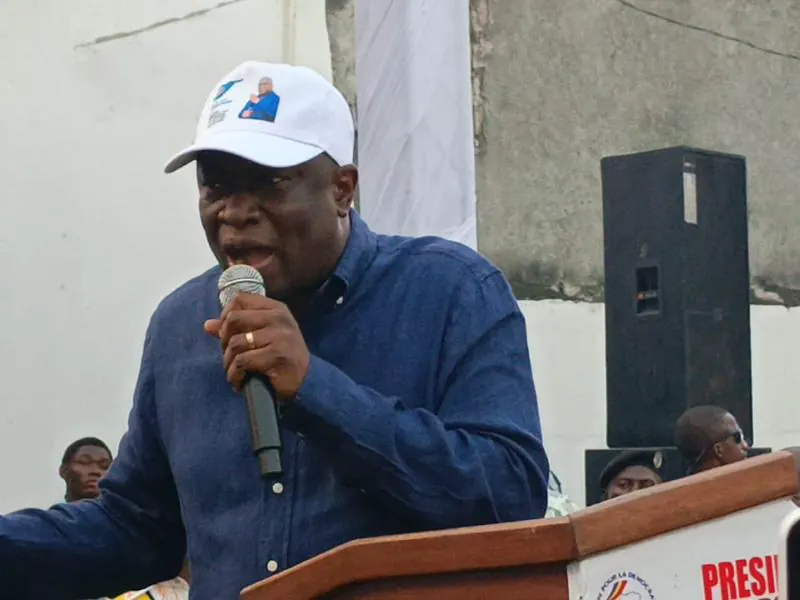
A heated exchange between the Union for Democracy and Social Progress (UDPS) and former President Joseph Kabila continues. Augustin Kabuya, Secretary General of the UDPS, strongly criticized Kabila's recent statements, accusing him of trying to present himself as a defender of human rights while his own record is marked by serious violations of fundamental freedoms. Kabuya stated that Kabila's comments demonstrate a lack of awareness of his own actions.
Kabuya cited several assassinations of journalists during Kabila's presidency, including Bapua Muamba and Franck Ngikie, who were killed along with their spouses. He also mentioned the "Likofi" operation against young offenders in Kinshasa, which resulted in an estimated 50 deaths and 33 disappearances. Kabuya argued that these incidents disqualify Kabila from giving lessons on human rights protection.
Kabuya contrasted Kabila's governance with that of current President Félix Tshisekedi. He noted that young people once considered delinquents are now participating in initiatives presented by the current government as actions of national construction. Kabuya defended Tshisekedi's record, stating that he has brought a different approach to managing the country.
Kabuya questioned Kabila's political motivations, suggesting that he seeks to stay relevant by making noise. He downplayed the significance of Kabila's recent statements, saying they are a "non-event" because the public is aware of Kabila's past actions. Kabuya concluded that Kabila is not a model for human rights.
This exchange highlights the ongoing tensions between the presidential camp and the former head of state. It also brings to the forefront the debate on the human rights records of successive governments in the Democratic Republic of Congo. Kabila recently criticized the current Kinshasa regime, saying it does not listen and is pushing suicidal initiatives, including changing the Constitution.
The UDPS and Kabila's supporters have differing views on his legacy. Kabila's comments have sparked reactions from various quarters, with some viewing them as an attempt to reposition himself politically. Others see his statements as a genuine concern for the country's well-being.
The debate is likely to continue, with both sides presenting their perspectives on Kabila's record and the current state of human rights in the Democratic Republic of Congo. The issue remains a sensitive topic in the country's politics.
Key points
- Augustin Kabuya criticizes Joseph Kabila for his human rights record.
- Kabuya cites several incidents of violence and journalist assassinations during Kabila's presidency.
- Kabuya contrasts Kabila's governance with that of President Félix Tshisekedi.