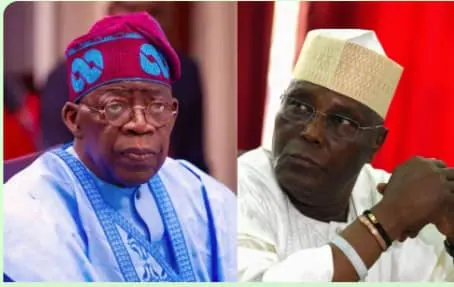
Former Vice-President Atiku Abubakar's comment referring to President Bola Tinubu as "Bola" has ignited a heated debate about respect for the presidency. Atiku made the remark during the inauguration of the African Democratic Congress Presidential Campaign Council in Abuja, criticizing Tinubu's handling of the economy. He accused Tinubu of borrowing his production subsidy proposal but failing to implement the necessary measures. Atiku's use of the President's first name has been deemed disrespectful by some of Tinubu's allies.
Aviation and Aerospace Development Minister Festus Keyamo and former presidential aide Reno Omokri have criticized Atiku for addressing Tinubu by his first name. Keyamo described Atiku's manner of addressing Tinubu as disrespectful and discourteous, arguing that political disagreements should not diminish the dignity of the presidential office. Omokri called on Atiku to apologize, stating that the President deserves respect due to his office.
The controversy has revived discussions about the language Nigerian politicians have used against sitting presidents. Some have pointed to Tinubu's remarks about former President Goodluck Jonathan during Tinubu's time as an opposition leader. Archival footage and reports of Tinubu's remarks about Jonathan have circulated, including descriptions of Jonathan as a "drunkard" and a "sinking fisherman". This has led some to question why Tinubu's allies are now insisting on restraint and formal titles when addressing a sitting president.
The debate raises questions about whether the standards of political decorum now being demanded were applied consistently when Tinubu was challenging a sitting president as leader of the opposition. Atiku's use of "Bola" was during a combative criticism of the government's economic policy, whereas Tinubu's remarks about Jonathan went beyond the use of a first name. The comparison highlights the complexities of political rhetoric and the nuances of language used by politicians.
The controversy has also drawn attention to a recent episode involving former Kano State Governor Abdullahi Ganduje, who humorously adapted Tinubu's names to Hausa forms during an engagement with Vice-President Kashim Shettima and a delegation of Kannywood entertainers. Ganduje's comments were delivered as humorous wordplay, praising the entertainers' support for Tinubu. This episode illustrates how politicians sometimes use local language, humor, and cultural references to portray a national leader as familiar and accepted among their people.
The debate over Atiku's remark has sparked a wider discussion about the distinction between humorous renaming and using a president's first name during a pointed political attack. Some Nigerians have questioned why Tinubu's allies are insisting on formal titles when addressing a sitting president, given Tinubu's own history of using harsh language against political opponents. The controversy highlights the complexities of political rhetoric and the challenges of maintaining respect for the presidency.
At the heart of the controversy is a disagreement over how political opponents should address a sitting president. While some argue that a president deserves respect due to their office, others believe that politicians should be able to criticize a president's policies without using formal titles. The debate is likely to continue, with implications for Nigerian politics and the way politicians interact with each other.
Key points
- Atiku Abubakar's remark referring to President Bola Tinubu as "Bola" has sparked debate about respect for the presidency.
- The controversy has revived discussions about the language Nigerian politicians have used against sitting presidents.
- The debate highlights the complexities of political rhetoric and the challenges of maintaining respect for the presidency.