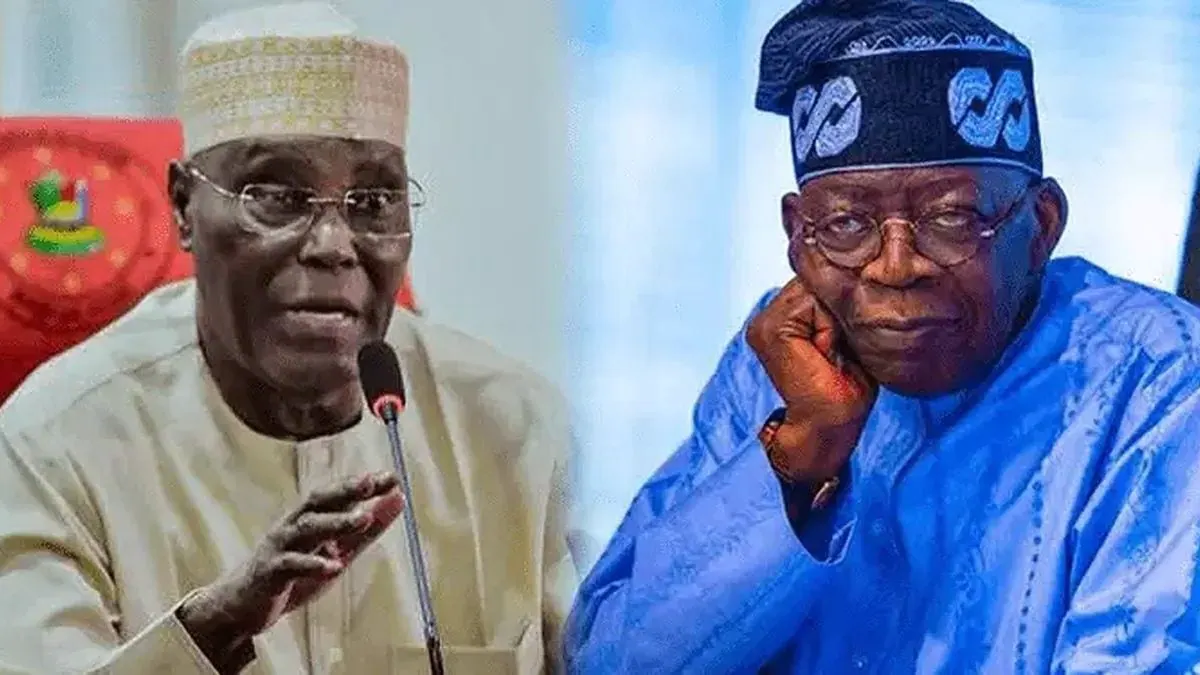
Former Vice-President Atiku Abubakar has expressed concerns over Nigeria's increasing public debt, which has reached N166.79tn as of June 30, 2026. This figure, released by the Debt Management Office, comprises N91.59tn in domestic debt and N75.20tn in external debt. Atiku's criticism follows a significant increase from N49.85tn recorded in March 2023, prior to the current administration. He demands a detailed reconciliation of the country's borrowings and an explanation of controversial charges in the latest debt-service records.
Atiku's demands include a breakdown of the debt into inherited obligations, exchange-rate movements on foreign debt, and genuinely new borrowing since May 2023. He also questions the N22.71tn Ways and Means advances that were securitized and incorporated into the debt stock from June 2023. The former Vice-President stated that a government claiming increased revenue must explain why it continues borrowing and why Nigerians do not see the promised benefits.
Atiku further requested a reconciliation of the Treasury Bills figure, which stood at N19.48tn as of June 30, 2026. He sought details on matured bills, redeemed bills, rolled-over bills, and new borrowing. The former Vice-President insisted that a June snapshot cannot answer a September question and urged the government to publish a transparent reconciliation of the transactions behind the Treasury Bills figure.
Atiku also raised concerns about $39.25m listed as "other charges" in the DMO's second-quarter 2026 external debt-service report. This includes $22.5m for a First Abu Dhabi Bank Total Return Swap and $8.97m for Deutsche Bank AG. He asked for an explanation of the nature and purpose of the transaction and details of the agreement behind the payment.
The criticism comes as the Federal Government faces a significant financing gap in the 2026 budget, with a deficit of approximately N31.45tn. President Tinubu has acknowledged the pressure created by debt servicing, stating that Nigeria expects to spend about $11.6bn on debt servicing in 2026. Atiku argued that the government should explain how increased revenues and improved macroeconomic indicators translate into better living conditions for Nigerians.
Atiku linked his criticism to the hardship experienced by households following economic reforms introduced by the Tinubu administration, including the removal of the petrol subsidy and changes in the foreign exchange market. He called on President Tinubu and the All Progressives Congress to apologize to Nigerians for the hardship associated with these policies.
The situation is further complicated by concerns over poverty and food insecurity, with the International Monetary Fund estimating poverty at 63% and 27 million Nigerians facing food insecurity in 2025. Atiku described the situation as a contrast between increased government revenues and the economic experience of ordinary households, calling on the Federal Government to provide a clear account of its borrowing and debt-service transactions.
Key points
- Atiku Abubakar demands a detailed breakdown of Nigeria's debt and an explanation of debt-service charges.
- Nigeria's public debt has reached N166.79tn as of June 30, 2026.
- The former Vice-President calls for a transparent reconciliation of the transactions behind the Treasury Bills figure.