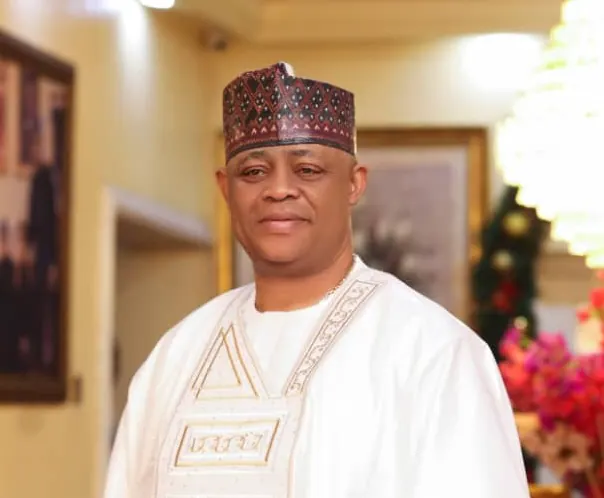
Atiku Abubakar, a former vice president of Nigeria, has announced his intention to run for president for the seventh time. This move has generated significant attention and concern among Nigerians, given his history of failed attempts. Abubakar has been trying to become president for 33 years, having contested in 1993, 2007, 2011, 2015, 2019, and 2023, but has yet to succeed. His persistence has raised questions about his motivations and the potential impact on Nigeria's political landscape.
Historically, only six individuals have contested the presidency of their country seven times or more. These include Pascual Racuyal of the Philippines, Nicolás Zúñiga y Miranda of Mexico, Harold Stassen of the United States, Jack Fellure of the United States, Lyndon LaRouche of the United States, and Abdoulaye Wade of Senegal. Notably, except for Wade, who won on his fifth and sixth attempts but lost on his seventh, all others have failed to win the presidency. This trend has led some to question Abubakar's chances of success.
Abubakar's political career has been marked by controversy, including his attempt to mobilize PDP governors against his leader, President Olusegun Obasanjo, in 2003. This move was seen as a betrayal, and Obasanjo was only saved by divine intervention and the support of a wealthy businessman from Kano. Despite this, Abubakar was elected as vice president on the same ticket with Obasanjo. However, their relationship deteriorated, and Abubakar's political career has been marred by division and destruction.
Critics argue that Abubakar's actions demonstrate a lack of loyalty, humility, and patriotism. They point to his history of switching political parties, having been a member of seven parties since 1991, and four parties since 1999. This has led some to describe him as a "political wanderer" who uses parties as a means to achieve power rather than serving the party's interests.
Abubakar's opposition to the idea of a power shift to the South has also been a point of contention. He has consistently opposed this notion, even when many Northern leaders have backed it in the name of rotation, fairness, and equity. This has led some to accuse him of having a sectional outlook rather than a national one.
Some may draw inspiration from Abdoulaye Wade's success in Senegal, where he won the presidency on his fifth and sixth attempts. However, critics argue that Abubakar lacks Wade's sincerity of purpose, courage, and sense of loyalty. Abubakar's actions have been seen as a manifestation of his obsession with power, and some believe that this will ultimately be his downfall.
As Abubakar prepares for his seventh presidential bid, Nigerians are left to ponder the implications of his persistence. With a history of failed attempts and controversy, Abubakar's motivations and chances of success remain uncertain.
Key points
- Atiku Abubakar is set to make his seventh presidential bid in Nigeria, despite a history of failed attempts.
- Abubakar's persistence has raised concerns about his motivations and the potential impact on Nigeria's political landscape.
- Critics argue that Abubakar's actions demonstrate a lack of loyalty, humility, and patriotism, and that his obsession with power will ultimately be his downfall.