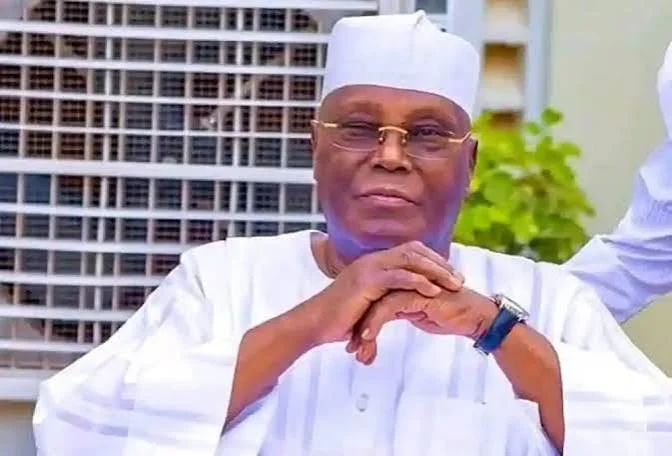
The Presidential Candidate of the African Democratic Congress, Atiku Abubakar, has expressed deep sympathy for Nigerians struggling with surging transport, food, and energy costs. He faulted the government's handling of petrol subsidy removal, citing the economic difficulties confronting ordinary Nigerians. Atiku pledged a direct policy shift if elected, promising to "make life affordable again." His statement was issued by the Director of Strategic Communication of the ADC Presidential Campaign Council, Mr. Phrank Shaibu.
Atiku took issue with President Tinubu's Independence Day address, which he felt did not sufficiently reflect the economic difficulties facing Nigerians. He particularly challenged Tinubu's defence of the removal of fuel subsidy and his description of subsidies as "addictive." Atiku also disputed the President's claim that salaries and pensions had been paid "on time and in full," citing reports of delays and unpaid entitlements. These comments come as Nigerians continue to feel the impact of rising fuel costs and transportation expenses.
Germany has taken steps to cushion consumers and businesses against elevated fuel prices by reducing energy taxes on petrol and diesel from October 1 to December 31, 2026. The energy tax will be reduced by 14 cents per litre, with the reduction reaching about 17 cents per litre when the associated reduction in value-added tax is included. This measure is expected to provide about €2.5bn in relief to households and businesses. German Chancellor Friedrich Merz stated that the measure was intended to provide quick relief to people and businesses affected by high fuel costs.
Atiku drew a comparison between Germany's approach and the situation in Nigeria, highlighting the consequences of rising petrol prices beyond transportation costs. He argued that higher transport costs feed into the prices of food and other essential commodities, ultimately affecting households. Atiku emphasized that Nigerians deserve the same compassion and urgency as Germans in addressing the hardship caused by fuel price increases. He proposed a targeted support approach for locally refined petrol, with government funding tied to fuel refined in Nigeria and subject to auditing.
Atiku's proposed approach aims to restore targeted, budgeted support for fuel refined in Nigeria, creating jobs and easing costs for Nigerians. He promised that his plan would be funded by cutting waste, protected against diversion and price manipulation, and would not apply to imported fuel. Atiku expressed sympathy for Nigerians struggling to cope with higher transportation, food, and household costs, promising a change in economic policy if elected. He emphasized that reducing fuel costs would have wider effects across the economy by lowering transportation expenses and potentially reducing the cost of moving goods to markets.
The controversy over petrol pricing has remained central to Nigeria's economic debate since the Tinubu-led administration announced the removal of the petrol subsidy in May 2023. The policy was followed by a sharp increase in pump prices and transportation costs, while the government has defended the reform as necessary to reduce the fiscal burden of subsidising petrol and redirect public resources. Atiku maintained that the government should take more direct steps to reduce the burden on households, stating that Nigeria's wealth should ease the burden on its people.
Atiku concluded by reiterating his commitment to making life affordable again for Nigerians. He emphasized that his proposed approach would involve producing locally refined petrol, creating jobs, and easing costs for Nigerians. With the economic challenges facing the country, Atiku's promise has resonated with many Nigerians struggling to make ends meet. As the 2027 elections approach, Atiku's economic policy proposals are likely to be a key point of discussion among voters and policymakers alike.
Key points
- Atiku Abubakar criticizes government's handling of petrol subsidy removal.
- Atiku promises to make life affordable again for Nigerians if elected.
- Germany reduces energy taxes to cushion consumers against elevated fuel prices.