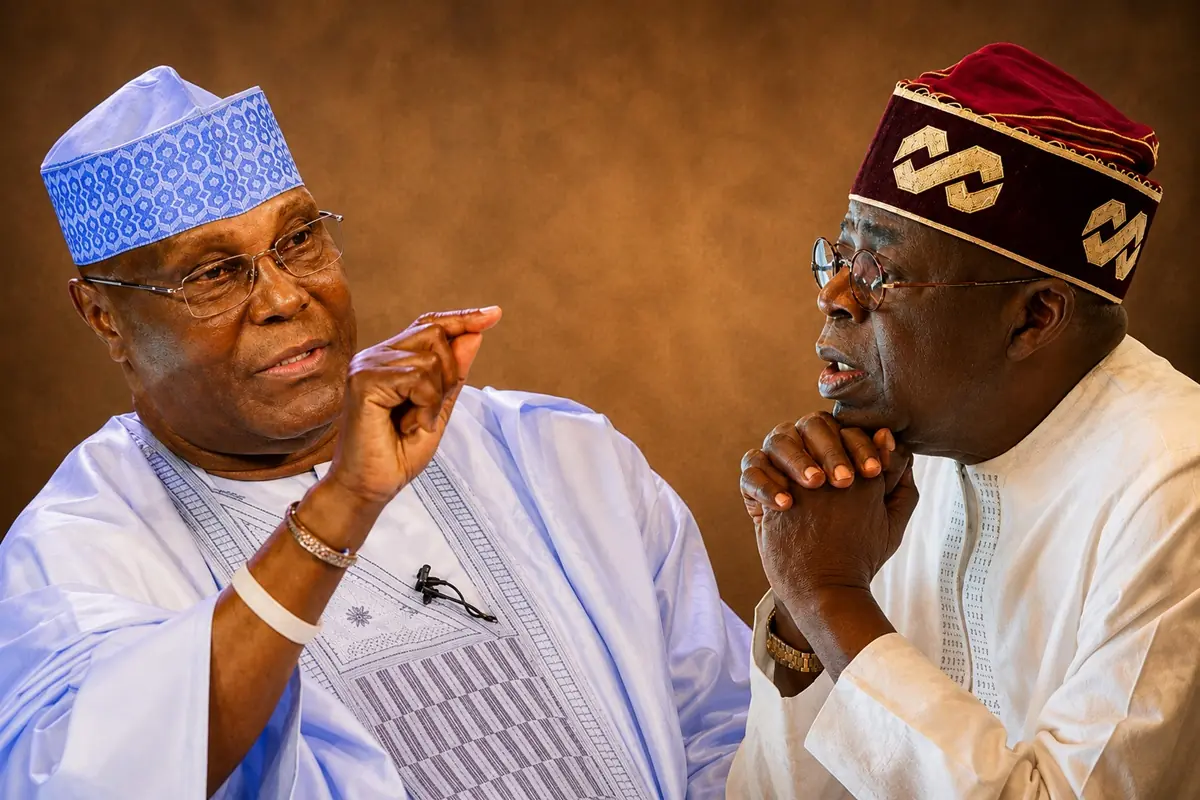
Former Vice President Atiku Abubakar has expressed concerns over President Bola Tinubu's recent introduction of a 30-day petrol discount at NNPC filling stations. Abubakar had previously proposed a production-based petrol subsidy to reduce the cost of crude supplied to domestic refineries, stimulate Nigerian production, and ensure benefits reach consumers. Tinubu's administration dismissed the proposal as reckless and economically unsound.
Tinubu's policy has been criticized for its limited scope, as NNPC Retail's network represents only about four percent of Nigeria's 22,681 registered filling stations. Industry estimates also suggest that NNPC's petrol and diesel retail market share was 17 percent in 2024. With many Nigerians residing far from NNPC outlets, the discount may not provide meaningful relief to those who need it most.
The government has insisted that the arrangement is not a subsidy, with Finance Minister Taiwo Oyedele explaining that NNPC Retail is merely surrendering its profit margin. However, critics argue that this distinction is not clear-cut, given that NNPC Limited is owned on behalf of the Nigerian federation. The financial consequences of the discount may ultimately affect the public, either through reduced dividends or other means.
Atiku Abubakar drew a comparison between Tinubu's policy and a student who copied a classmate's examination answers without understanding the underlying concepts. Abubakar's proposal, on the other hand, offers a more comprehensive framework for addressing Nigeria's fuel price crisis. The former Vice President's plan involves a transparent, production-based subsidy with fiscal limits, independent audits, and verifiable domestic supply obligations.
According to NNPC's July 2026 operational report, petrol availability across its retail stations was just 52 percent. This raises questions about the effectiveness of the discount in providing relief to Nigerians, particularly in areas where NNPC stations are scarce or consistently out of stock. The policy may exacerbate existing issues with fuel availability and accessibility.
The government has faced criticism for its handling of the petrol subsidy regime, which was initially abolished in May 2023. With the 2027 elections approaching, Tinubu's administration is under pressure to address the rising cost of living and provide relief to Nigerians. However, Abubakar and other critics argue that the 30-day NNPC petrol discount is an inadequate solution to the country's fuel price crisis.
As Nigerians continue to grapple with high fuel prices, the debate over the best approach to addressing the crisis is likely to intensify. While Tinubu's administration has opted for a limited discount, Abubakar's proposal offers a more comprehensive framework for reforming the petrol subsidy regime. The effectiveness of either approach remains to be seen, as Nigeria's fuel price crisis continues to pose significant challenges to the government and its citizens.
Key points
- Atiku Abubakar criticizes President Tinubu's 30-day NNPC petrol discount as a copied and unsustainable solution to Nigeria's fuel price crisis.
- The 30-day NNPC petrol discount has been criticized for its limited scope and potential ineffectiveness in providing relief to Nigerians.
- Atiku Abubakar's production-based petrol subsidy proposal offers a more comprehensive framework for addressing Nigeria's fuel price crisis.