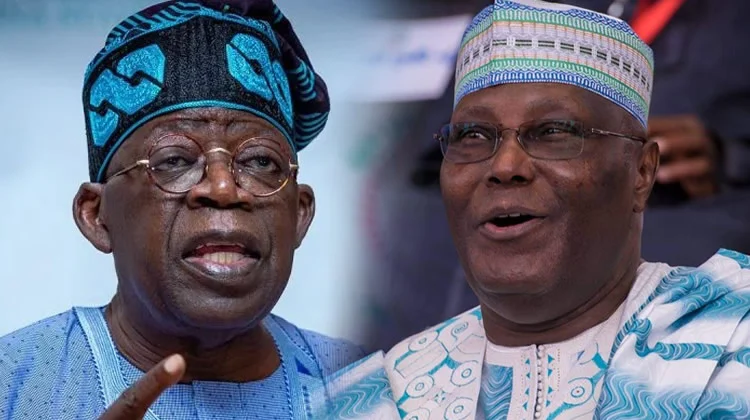
The presidential candidate of the African Democratic Congress, Atiku Abubakar, has expressed concerns over the Federal Government's plan to borrow $1.5bn from the World Bank. According to Atiku, the government should first account for the existing debt before proceeding with the new loan. He made this statement in response to fresh World Bank documents that showed the Federal Government is discussing three proposed financing facilities worth $1.5bn.
The proposed borrowing comes as Nigeria's total public debt has risen to ₦166.79tn as of June 30, 2026, according to the Debt Management Office. This represents an increase of ₦14.39tn, or 9.44 per cent, from the ₦152.40tn recorded at the end of June 2025. Atiku's demand for transparency in the existing debt comes amid concerns over the government's ability to manage the country's finances.
The proposed $1.5bn financing consists of three separate $500m facilities at different stages of preparation. The most advanced is an additional $500m for the Agro-Climatic Resilience in Semi-Arid Landscapes project. The World Bank has scheduled October 29, 2026, for consideration of the facility by its board. If approved, it would increase the project's total financing from $700m to $1.2bn.
Atiku, in a statement issued by his Director of Strategic Communications, Phrank Shaibu, said the government should publish the projects to be funded, the communities and citizens expected to benefit, the targets for each programme, the terms of borrowing and disbursement, and a timetable Nigerians can use to track delivery. He questioned the widening gap between the government's claims of increased revenue and savings from the removal of petrol subsidy and the continued accumulation of public debt.
The World Bank's current country programme places considerable emphasis on early childhood development, social protection, and building resilience among vulnerable households. Its April 2026 Nigeria Development Update said household incomes had yet to fully recover and poverty remained high, while stressing the need for targeted support to vulnerable households and stronger investment in human capital.
Atiku acknowledged that the objectives of the proposed programmes addressed genuine development needs but argued that the social value of the projects should not substitute for transparency over existing borrowing. He challenged the administration to provide Nigerians with a clear account of previous loans and the projects or programmes financed with them.
Nigeria has previously obtained substantial World Bank financing under the Tinubu administration. In June 2024, the World Bank approved a $1.5bn Development Policy Financing programme for Nigeria, alongside a separate $750m programme aimed at accelerating resource mobilisation reforms. Atiku's intervention places the emphasis on the transparency and measurable outcomes of existing borrowing as the government seeks additional financing for new development programmes.
Key points
- Atiku Abubakar demands transparency in existing debt before Federal Government proceeds with $1.5bn World Bank loan.
- Nigeria's total public debt has risen to ₦166.79tn as of June 30, 2026.
- The proposed $1.5bn financing consists of three separate $500m facilities for climate resilience, social protection, and early childhood development.