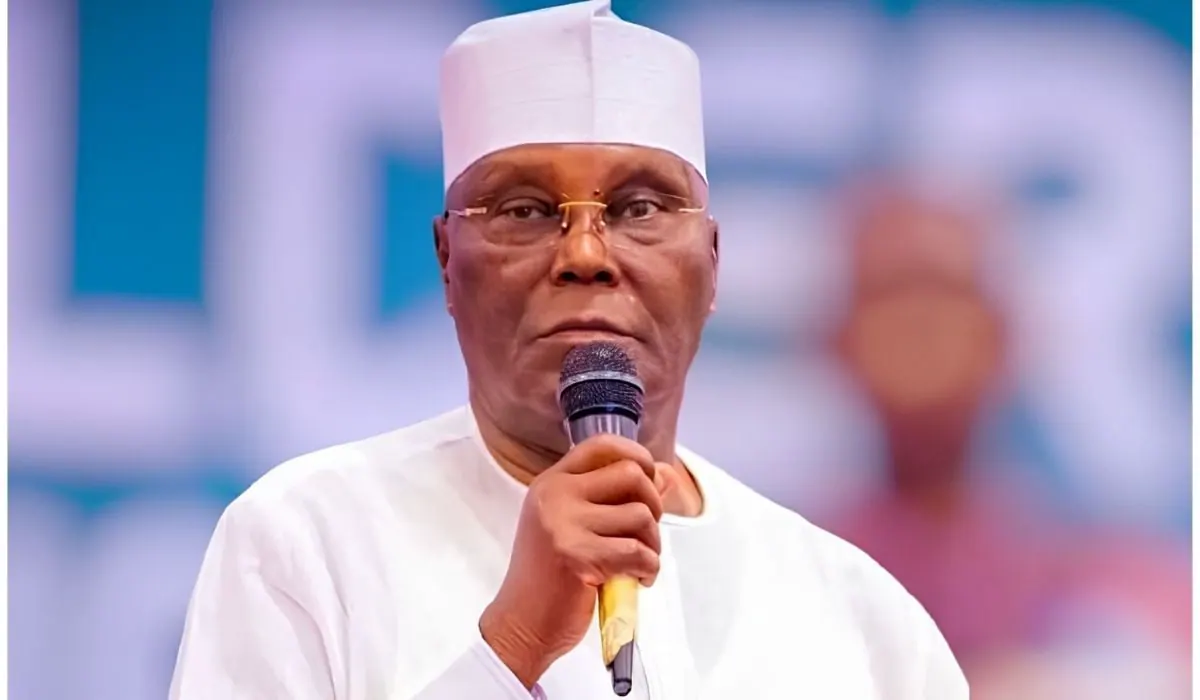
Former Vice President and African Democratic Congress presidential candidate Atiku Abubakar has expressed support for organised labour's demand for a substantial increase in the minimum wage in Nigeria. According to Atiku, the current minimum wage of N70,000 no longer reflects the cost of living, especially after the removal of the petrol subsidy which has led to a significant increase in prices. He argued that the current wage is inadequate to cover basic needs such as fuel, transport, food, and rent.
Atiku's comments were made through Phrank Shaibu, Director of Strategic Communications of the ADC Presidential Campaign Council. He highlighted that at N1,400 per litre, the entire N70,000 monthly minimum wage could only buy 50 litres of petrol. This, he noted, is a significant decrease in purchasing power compared to when the minimum wage was N30,000. At the April 2023 national average petrol price of N254.06 per litre, N30,000 could buy approximately 118 litres of petrol.
The former Vice President also compared Nigeria's minimum wage with those of other oil-producing and African economies. He cited Libya, Algeria, Equatorial Guinea, and Gabon as countries with higher minimum wages when converted to Naira. Atiku emphasized that despite differences in wage rules and living costs across countries, N70,000 is inadequate for a Nigerian worker facing current prices. He stressed that the Nigerian worker is the engine of the country's productive life and deserves a wage that can sustain their family.
Atiku challenged the Federal Government to agree to a substantial increase in the minimum wage that reflects the real cost of food, transport, rent, and power. He stated that workers deserve a clear answer and promised to begin the work of raising the wage floor from his first day in office. With eight months left in the current term, Atiku called for immediate measures to raise the wage floor and bring down costs.
Atiku outlined plans to support Nigerian production, deliver relief at the pump, and provide targeted assistance to those hit hardest by the cost-of-living crisis. His plan includes a targeted production subsidy to support petroleum products refined in Nigeria and sold to Nigerians, subject to a firm spending cap, public accounting, and an independent audit. This, he believes, will produce measurable relief at the pump.
The former Vice President reaffirmed his commitment to realistic wage adjustments, targeted social protection, and measures to stabilise the cost of essential goods and energy. He emphasized that the test of the government's commitment is whether workers can live on what they earn. Atiku concluded that a living wage must buy a living and called for urgent action to address the issue.
Atiku's call for a higher minimum wage comes as the cost of living in Nigeria continues to rise. The impact of the petrol subsidy removal has been felt across various sectors, including transportation, food, and housing. Atiku's proposal for a higher minimum wage is seen as a move to alleviate the suffering of workers and ensure that they can afford basic necessities.
Key points
- Atiku Abubakar supports labour's demand for a higher minimum wage, citing the current N70,000 wage is insufficient.
- The current minimum wage can only buy 50 litres of petrol at N1,400 per litre.
- Atiku plans to support Nigerian production and provide targeted assistance to those hit hardest by the cost-of-living crisis.