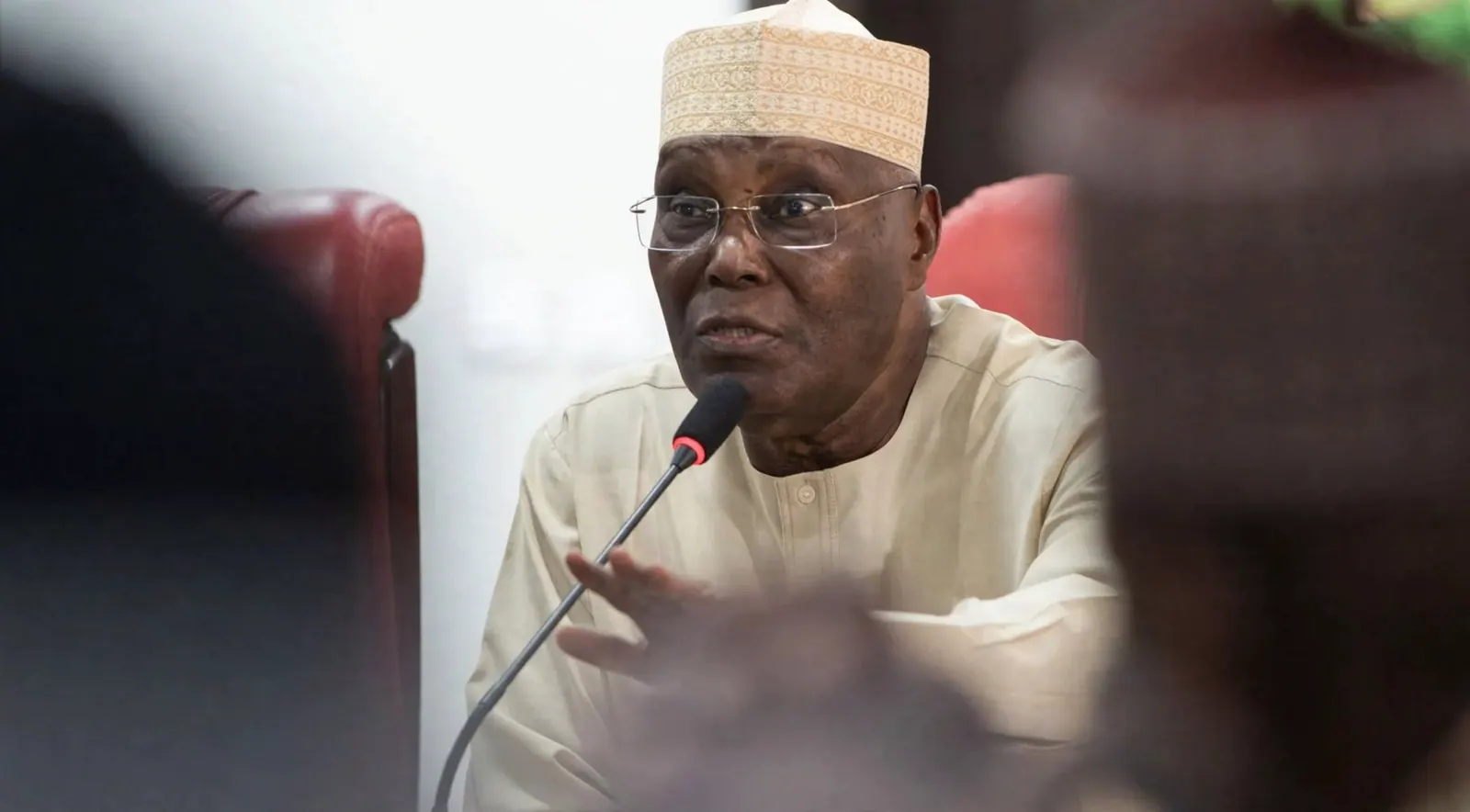
African Democratic Congress (ADC) presidential candidate Atiku Abubakar has accused President Bola Tinubu of drowning Nigeria in debt. According to Atiku, the current administration's huge borrowing and debt servicing costs are putting enormous pressure on the country. Despite the removal of fuel subsidy and increased public revenue, the government continues to borrow excessively.
Nigeria's public debt has risen significantly, from ₦49.85 trillion in March 2023 to ₦166.79 trillion by June 2026. Atiku has called on President Tinubu to provide a full account of the country's debt to its citizens. The Debt Management Office (DMO) reported $39.25 million in 'other charges' between April and June 2026, including $22.5 million related to a First Abu Dhabi Bank Total Return Swap.
Atiku expressed concerns about the lack of transparency regarding the $22.5 million charge, questioning its purpose and the agreement that authorized it. He emphasized that Nigerians are entitled to know the terms and supporting documentation. The former Vice-President argued that after over three years of economic reforms, Nigerians are facing higher costs of living, strained public services, and a substantial increase in public debt.
Atiku stated that the Tinubu economy is creating two Nigerias: one where ordinary citizens struggle with rising costs, and another where those with wealth and privilege are better positioned to protect their fortunes. He criticized the government's focus on macroeconomic indicators, which do not translate to improved living standards for citizens. Atiku emphasized that the true test of economic policy is whether Nigerians can afford basic necessities like food, transport, and housing.
The IMF reported that Nigeria's macroeconomic outcomes have improved, but conditions remain difficult for many citizens, with poverty estimated at 63% and 27 million Nigerians facing food insecurity in 2025. Atiku noted that recent fuel price pressures have further squeezed household budgets, with petrol prices rising to around ₦1,400 per liter in Lagos and Abuja.
Atiku criticized the government's economic philosophy, arguing that it should not rely on the poor to make sacrifices while those insulated from hardship become increasingly comfortable. He questioned the gains promised to Nigerians, stating that they do not eat GDP figures or PowerPoint presentations. The cost of carrying Nigeria's debt has become an emergency, with debt service reaching ₦12.52 trillion against ₦18.63 trillion in revenue in the third quarter of 2025.
Atiku highlighted that President Tinubu himself acknowledged that Nigeria expects to spend about $11.6 billion on debt service in 2026, nearly half of projected revenue. He called on the President to explain why the borrowing bill continues to grow, warning that fiscal distress develops when borrowing becomes routine and debt service consumes a large share of available revenue.
Key points
- Atiku Abubakar criticizes President Tinubu's borrowing policies and their impact on Nigeria's economy and citizens.
- Nigeria's public debt has risen significantly under the current administration, from ₦49.85 trillion in March 2023 to ₦166.79 trillion by June 2026.
- Atiku calls for transparency regarding the country's debt and its servicing costs, emphasizing the need for the government to prioritize citizens' welfare.