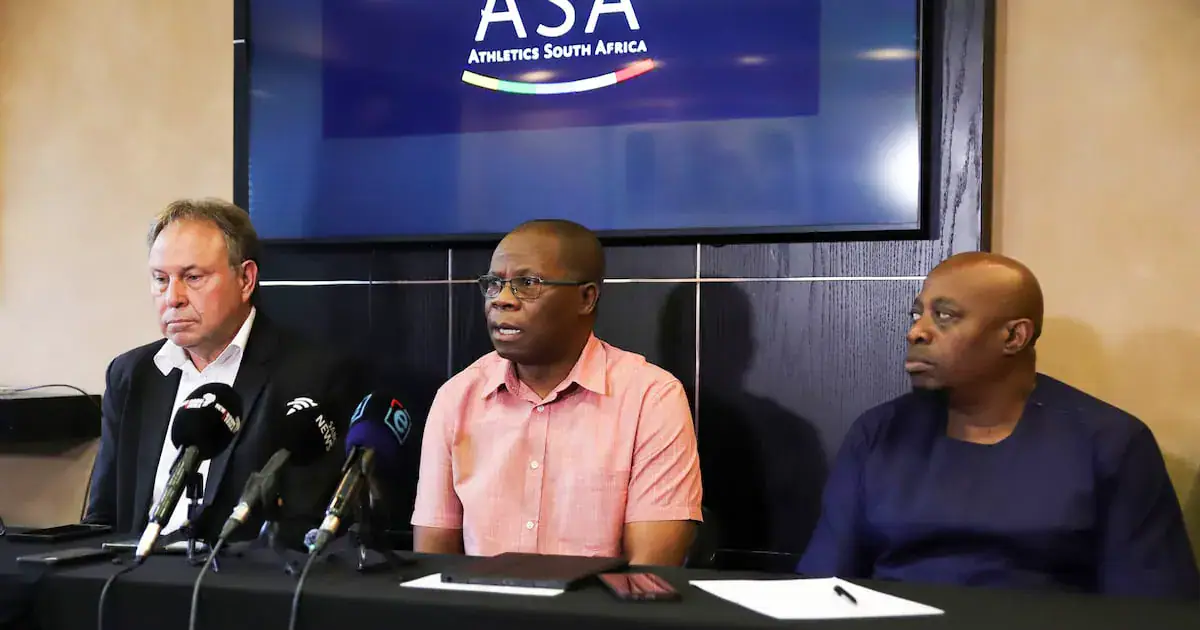
Athletics South Africa (ASA) is set to implement significant governance reforms, including term limits for officials and a more robust vetting process for election candidates. The embattled national federation's board has approved a road map aimed at addressing concerns raised by World Athletics, which has warned ASA of potential suspension if it fails to clean up its act. The proposed changes are designed to reduce the voting power of elected officials and promote greater transparency in the organization's electoral processes.
The current constitution of ASA, drafted in the 1990s, has been criticized for allowing board members to hold excessive voting power. According to Zakhele Dlamini, World Athletics' representative on the ASA board, the new constitution will provide for voting and elections to be conducted by an independent electoral committee not involved in athletics. This move is part of a broader effort to ensure that ASA officials are of high integrity and that the organization is better equipped to support its athletes.
One of the key issues with the current system is the bloated voting structure, which has allowed provinces with more board representatives to have greater influence than others. Dlamini has expressed concerns about the current constitution's limitations, including its failure to provide for appeals. For example, James Moloi, the fired president of ASA, intends to lodge an appeal despite the constitution making no provision for such a process.
The ASA board's decision to adopt a new constitution and hold fresh executive elections by mid-2027 has been welcomed by stakeholders. The process will also involve provincial elections, with potential candidates already being scrutinized by World Athletics' Integrity Unit. Dlamini has emphasized the importance of ensuring that ASA officials are of high integrity and that the organization's electoral processes are transparent and fair.
The recent resignation of ASA's deputy president, John Mathane, has highlighted the challenges facing the organization. Mathane's relationship with the board had broken down, and his resignation has left the executive in a quandary. However, Dlamini has suggested that the board appoint a new acting president, with Jean Verster filling the temporary role.
Verster has praised ASA's athletes for their recent performances, despite the challenges facing the organization. He has emphasized the need for ASA to find ways to support its athletes and help them perform better in future competitions. The organization is currently exploring various options to achieve this goal.
A task team appointed by the South African Sports Confederation and Olympic Committee is assisting ASA in its transformation. The team includes veteran cricket administrator Jacques Faul and Nomsa Mahlangu, the director of sport at the University of Johannesburg. The ASA board will present the proposed road map to its council for ratification on November 28.
Key points
- Athletics South Africa to introduce term limits and vet election candidates as part of governance overhaul.
- Organization aims to address concerns raised by World Athletics and avoid potential suspension.
- New constitution and fresh executive elections to be implemented by mid-2027.