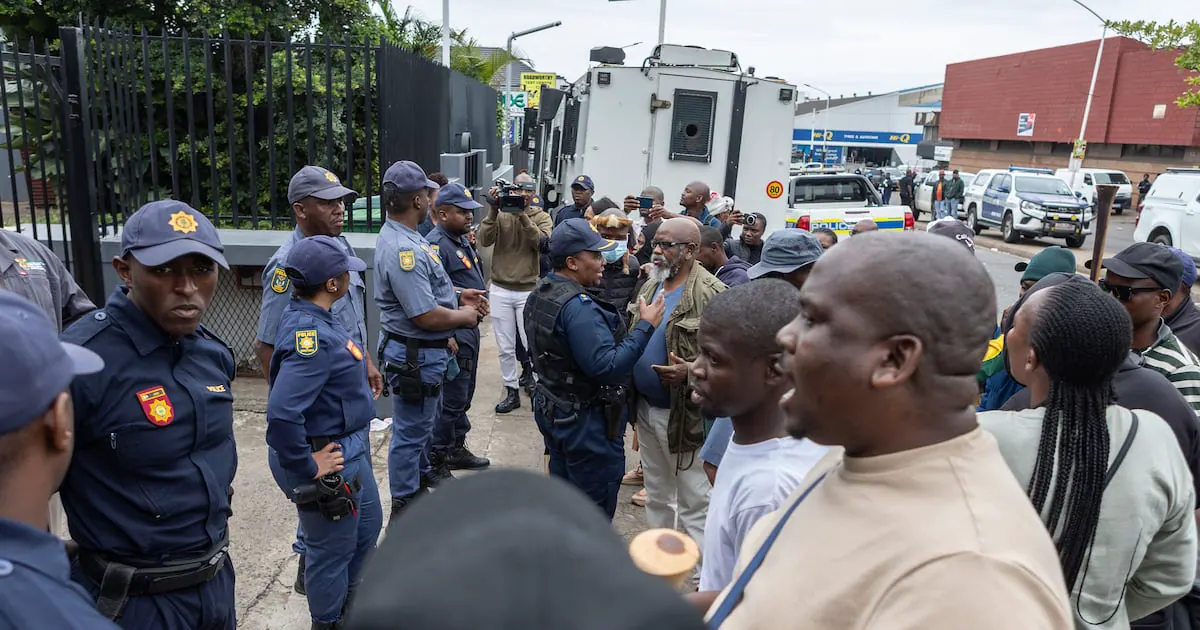
The Constitutional Court of South Africa has ruled that asylum seekers cannot be barred, detained or deported due to procedural or technical immigration errors. This includes irregular entry or failure to meet strict reporting deadlines. The judgment, delivered on July 7, reinforces the right of people seeking international protection to have their asylum claims properly assessed.
Legal experts and government officials have clarified that the ruling does not make it easier for undocumented foreigners to enter South Africa. Molya Vundamina, project officer of the Migrants’ Rights Unit at the University of Pretoria’s Centre for Human Rights, explained that the judgment reaffirms that access to South Africa’s asylum system cannot be denied solely on the basis of procedural immigration violations.
Previously, certain provisions of the Refugees Act and its regulations allowed asylum seekers to be prevented from lodging applications if they entered South Africa irregularly or failed to report to a refugee reception office within the prescribed period. The Constitutional Court has ruled these barriers unconstitutional, as they prevent genuine asylum seekers from receiving a fair evaluation of their claims.
According to Vundamina, the judgment is significant because it acknowledges that people fleeing persecution or conflict may not have the opportunity to obtain passports, secure visas or enter through official border posts. International refugee law recognises these circumstances, which is why irregular entry should not, in itself, prevent someone from seeking protection.
The judgment does not create new rights for asylum seekers, nor does it automatically grant refugee status or make irregular entry lawful. Individuals seeking asylum must still satisfy the legal requirements for refugee recognition, and the department of home affairs retains the authority to assess and reject applications that do not meet those requirements.
Alicia Raymond, the legal clinician running the Refugee and Migrant Unit at the Wits Law Clinic, concurred with Vundamina about the judgment not making it easier for undocumented foreigners to enter South Africa. Mmamoloko Kubayi, chairperson of the inter-ministerial committee on migration, added that applications that are fraudulent, abusive, unfounded or do not meet the requirements of the Refugees Act will still be rejected through the established legal processes.
Experts believe that the judgment strikes an appropriate balance between protecting refugees and maintaining the integrity of South Africa’s asylum system. Vundamina argued that the judgment makes it easier to access the asylum procedure, but not easier to qualify for refugee status. The judgment could help bring people who might otherwise remain undocumented into the formal asylum system, allowing Home Affairs to register them, assess their claims and issue appropriate documentation.
Key points
- The Constitutional Court ruling does not legalise irregular migration or grant automatic refugee status.
- Asylum seekers cannot be barred, detained or deported due to procedural or technical immigration errors.
- The judgment makes it easier to access the asylum procedure, but not easier to qualify for refugee status.