Water security is a pressing concern in South Africa, posing significant risks to the economy, including inflation, growth, and social stability. The asset management industry can play a crucial role in addressing this issue by directing capital towards credible water and sanitation projects and utilities. This can be achieved by strengthening governance, financial discipline, and transparency, making these projects investable and scalable.
Municipal distribution and sanitation are the weakest and most critical parts of the water system in South Africa. These areas represent a plausible entry point for institutional capital, particularly in metropolitan areas where scale and revenue potential are higher. However, available surface water yields are approaching full utilisation, and municipal water losses pose a material resilience risk.
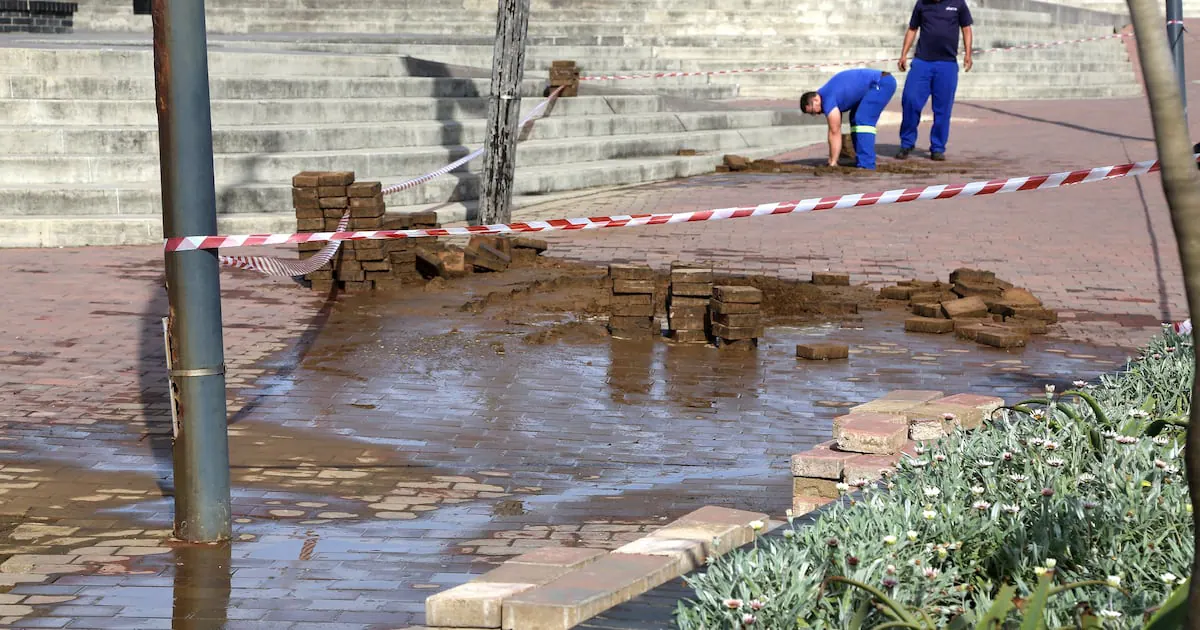
The losses are due to leaks, poor metering, unauthorised use, and billing failures, which reduce the effective capacity of existing infrastructure and weaken the buffer against drought, rising temperatures, and erratic rainfall. Municipalities need to urgently reduce water losses and step up maintenance capital expenditure. This includes pipe renewal, meter replacement, pressure management, reservoir maintenance, and billing system integrity.
Reducing non-revenue water is one of the fastest and most cost-effective ways to increase available water, protect bulk systems, improve municipal finances, and build resilience to climate variability. The South African government is seeking to restore financial and operational discipline through the Metro Trading Services Reform (MTSR) programme, led by the Treasury and endorsed by the cabinet.
The MTSR programme introduces a performance-based incentive for metropolitan municipalities to turn around declining trading services, including water, wastewater, electricity, and solid waste. The programme focuses on ring-fenced revenues, separate accounts, cost-reflective tariffs, transparent subsidies, stronger management accountability, and reinvestment into infrastructure. This aims to ensure revenues generated from water services are retained in the system and used to maintain and upgrade infrastructure.
Institutional investors, including asset managers and pension funds, have an appetite for infrastructure investment, but water projects need credible governance, identifiable and sustainable revenue streams, clear risk allocation, measurable performance outcomes, and properly structured contracts. The MTSR can help create these conditions, aligning with the role of the Water Partnerships Office, established by the Department of Water and Sanitation, the South African Local Government Association, and the Development Bank of Southern Africa.
The MTSR has moved into implementation, with guidance issued to metropolitan municipalities. The Treasury's timeline envisages foundational reforms in the first year, increased investment from around year three, and service improvements over a three- to five-year horizon. If successful, the MTSR can become the governance bridge between municipal service reform and long-term institutional capital; if not, it risks remaining a well-designed incentive programme that fails to overcome weak municipal execution.
Key points
- Asset managers can help address water constraints by directing capital towards credible water projects and strengthening governance.
- Municipalities need to urgently reduce water losses and step up maintenance capital expenditure to address water security risks.
- The MTSR programme aims to restore financial and operational discipline in metropolitan municipalities, making water projects more bankable.