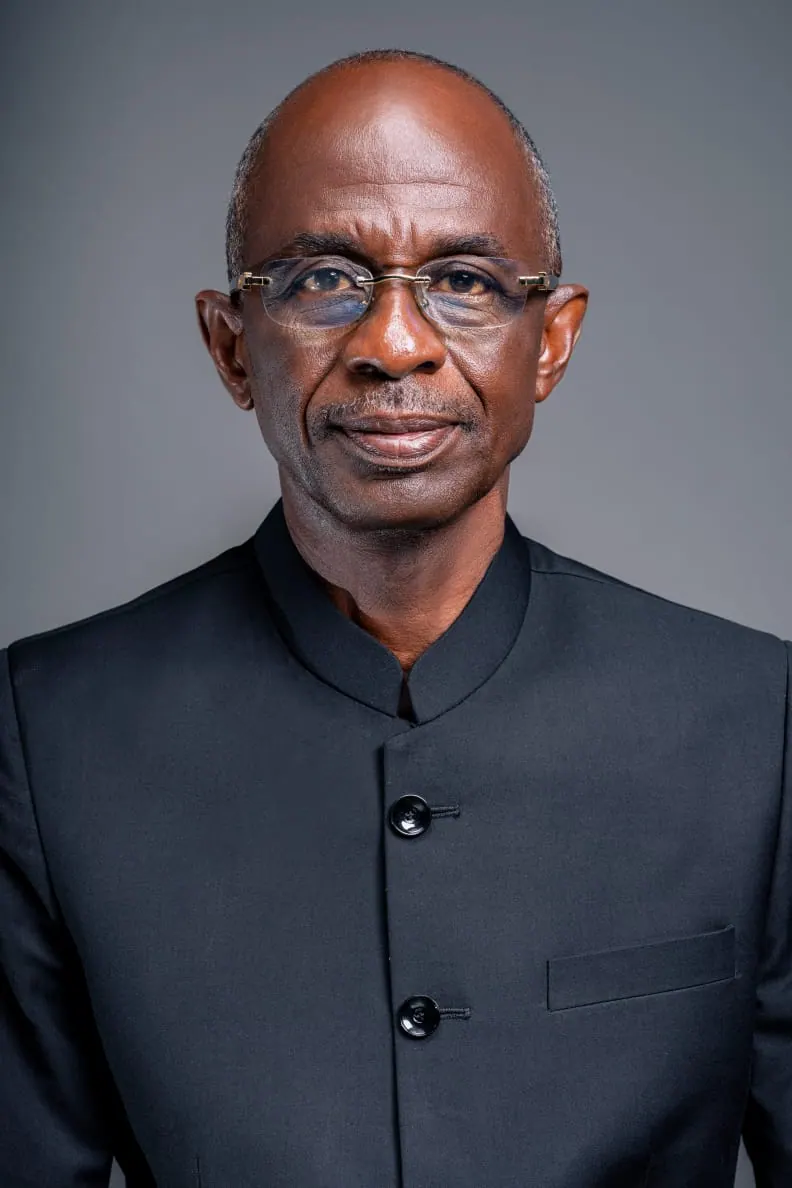
Johnson Asiedu Nketiah, Chairman of Ghana's National Democratic Congress (NDC), has expressed support for increased church involvement in the management of mission schools. Speaking at the centenary celebration of the Seventh-day Adventist (SDA) Church at Sekyredumase in the Ashanti Region, Mr. Nketiah emphasized that allowing churches to play a more active role would encourage further investments in Ghana's education sector. This stance aligns with a recent call by the Christian Council for greater church involvement in mission schools. The event marked a significant milestone in the SDA Church's history.
Mr. Nketiah highlighted the historical significance of religious organizations in Ghana's education system, noting that they have invested in education to instill values, beliefs, and discipline in children according to their faiths. He argued that the state's provision of funds to mission schools should not lead to the erosion of church rights and responsibilities. Instead, he advocated for a balance that respects the founding institutions' identities and influences. This perspective comes as the debate on the role of mission schools in Ghana's education continues.
The NDC Chairman pointed out that missionary bodies were pioneers of formal education in the Gold Coast and continue to play a crucial role in Ghana's education sector. He cited the strong performance and reputation of many mission schools as evidence of their significant contribution to the country's educational development. Mr. Nketiah suggested that rather than diluting this influence, it should be encouraged and built upon. This approach, he believes, would enhance the overall quality of education in Ghana.
Mr. Nketiah also addressed the issue of parental choice in education, noting that parents and students have the freedom to choose their preferred schools during the admission process. Once admitted to a mission school, families effectively agree to abide by the institution's rules and disciplinary code. This, he argued, is a fundamental aspect of the school's character and should be respected. The Chairman's comments reflect a broader discussion on the autonomy of mission schools and their role in shaping Ghana's educational landscape.
The launch of a multi-million-cedi College of Education project by the SDA Church at Sekyredumase was part of the centenary celebrations. This project aims to enhance teacher training and education in the region. Mr. Nketiah's presence at the event underscored the importance of partnerships between the state and religious organizations in advancing education. Such collaborations, he believes, are essential for protecting the character and values of mission schools while ensuring they contribute to national development.
Mr. Nketiah's call for deeper church involvement in mission schools has implications for education policy and practice in Ghana. By advocating for a more significant role for churches, he aims to preserve the unique identity and influence of mission schools. This approach could lead to more effective partnerships between the state and religious organizations, ultimately benefiting the education sector. The debate on this issue is likely to continue, with various stakeholders weighing in on the best way forward.
The discussion on mission schools and their management is part of a broader conversation on education in Ghana. As the country seeks to improve its education system, the role of mission schools and their relationship with the state will remain a critical topic. Mr. Nketiah's comments have contributed to this discussion, emphasizing the need for collaboration and respect for the historical and ongoing contributions of religious organizations to Ghana's education sector.
Key points
- Johnson Asiedu Nketiah supports greater church involvement in managing mission schools to encourage further investments in Ghana's education sector.